What You Pay
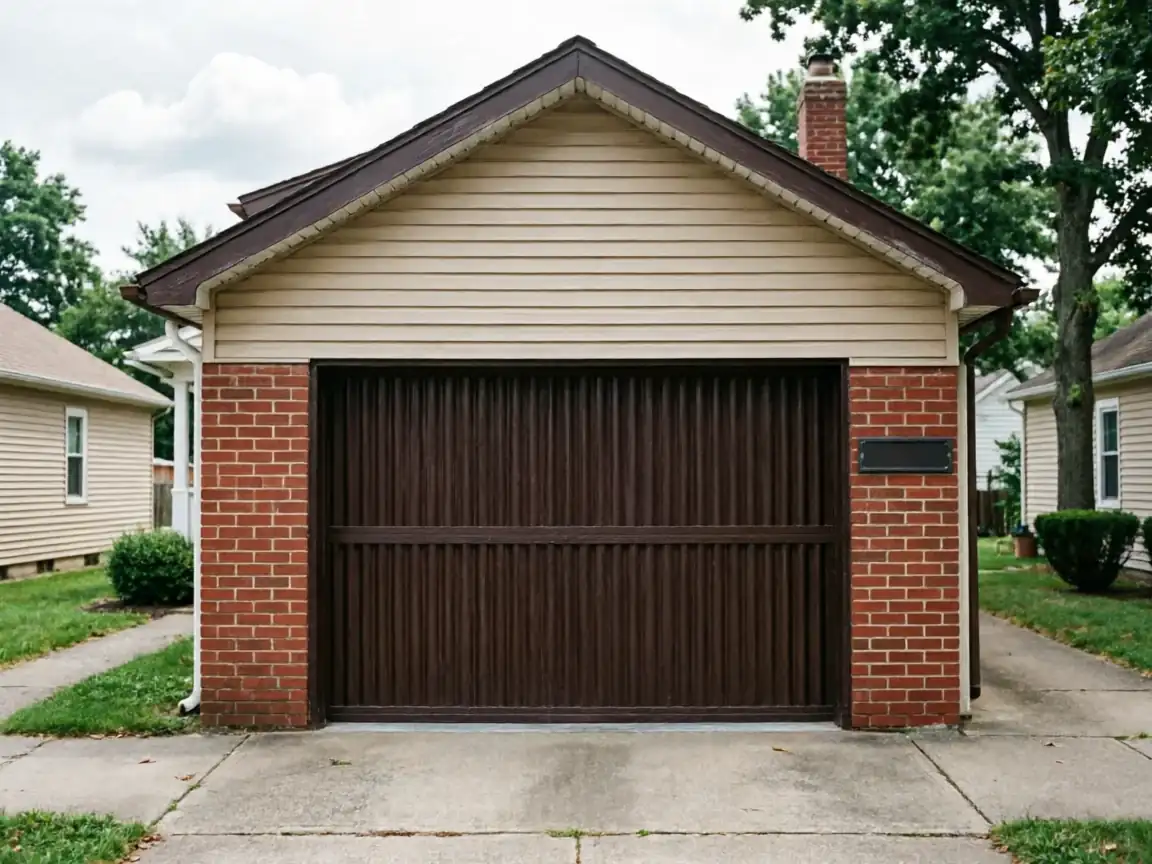
Keego Harbor sits about 7 miles from our Waterford shop, and that drive is folded into the job, not billed as a separate trip charge. What actually moves the number is the door itself. A single steel panel swap on a door built in the early 1970s is usually straightforward if the track and hinges are still square. Where it gets more expensive is when the whole section is a non-stock size or the door's been discontinued long enough that we're sourcing a compatible panel instead of an exact match. We'll tell you up front if your door falls into that category before we order anything, because a mismatched panel looks wrong for the life of the door and nobody wants to pay for that twice.
Where This Job Goes Sideways
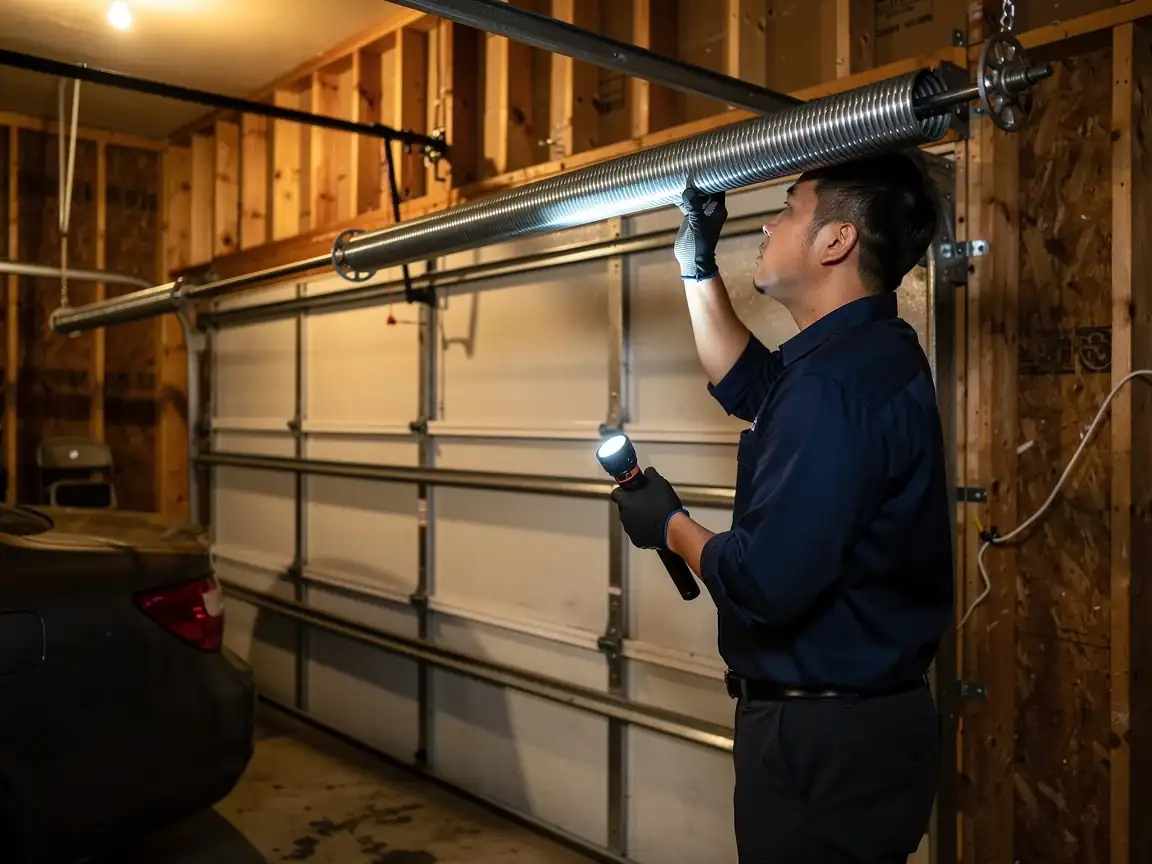
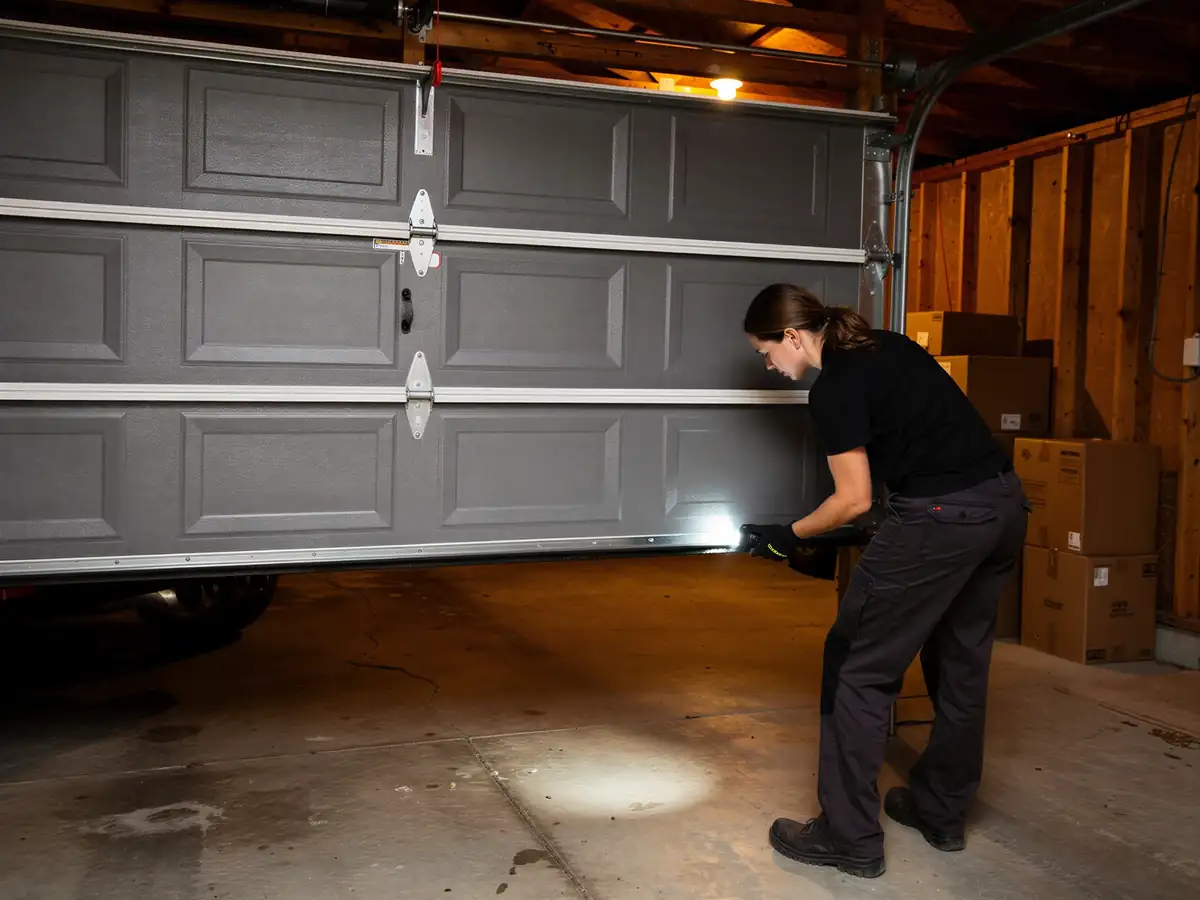
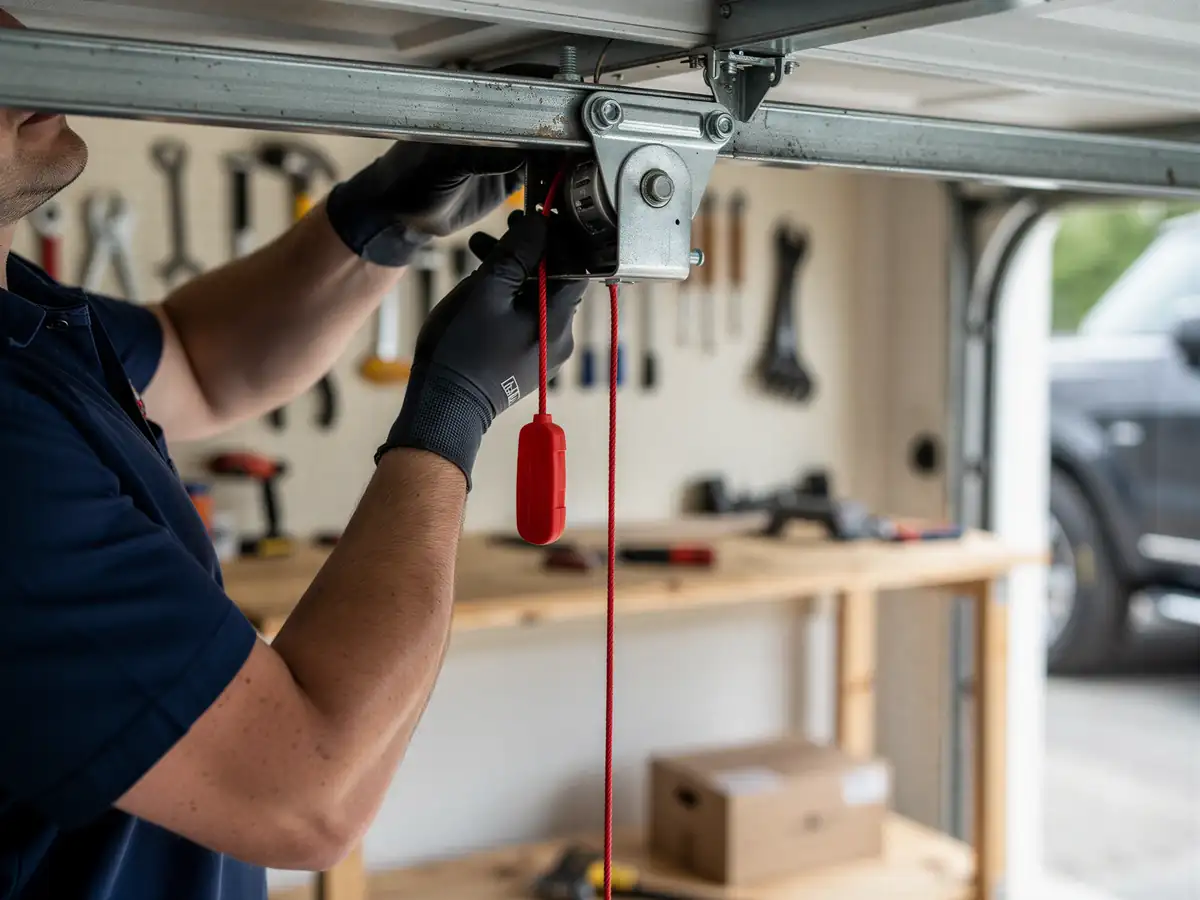
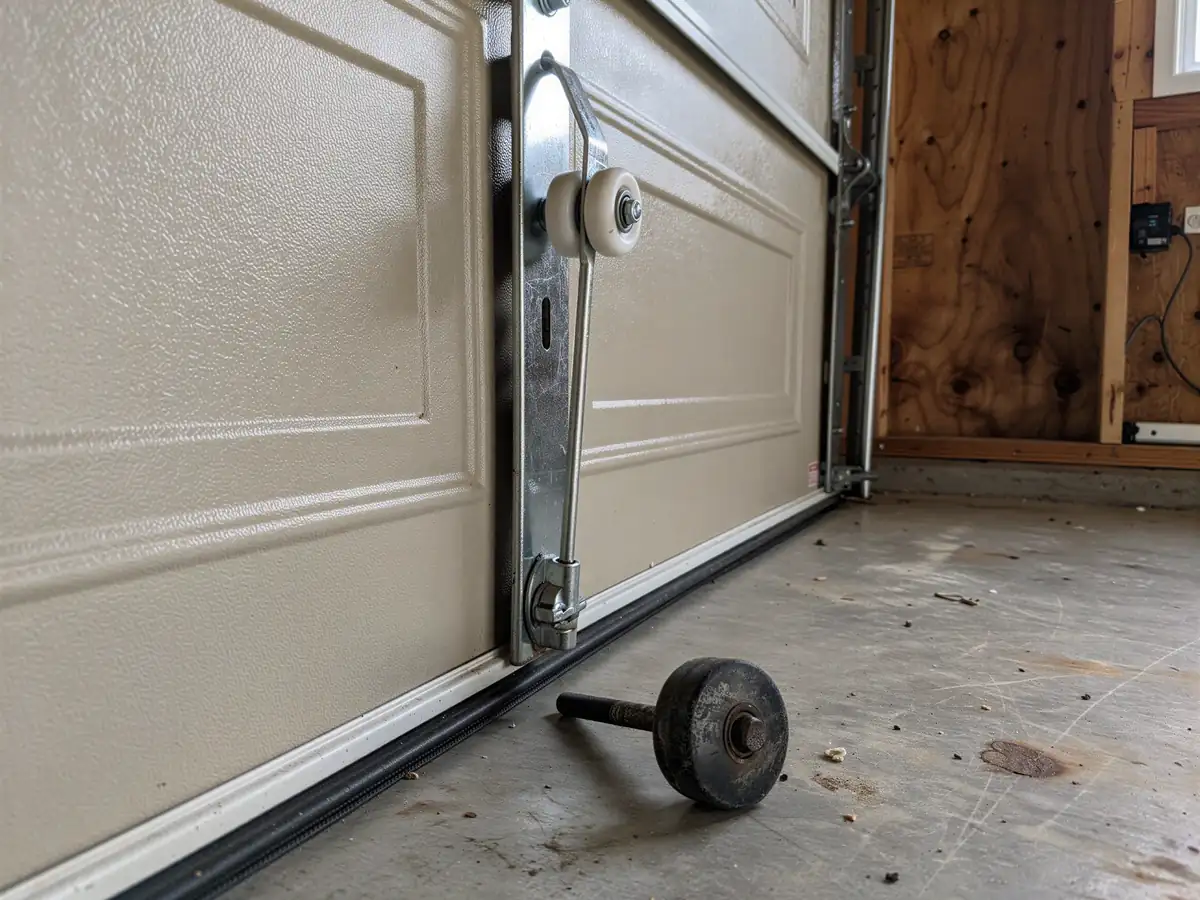
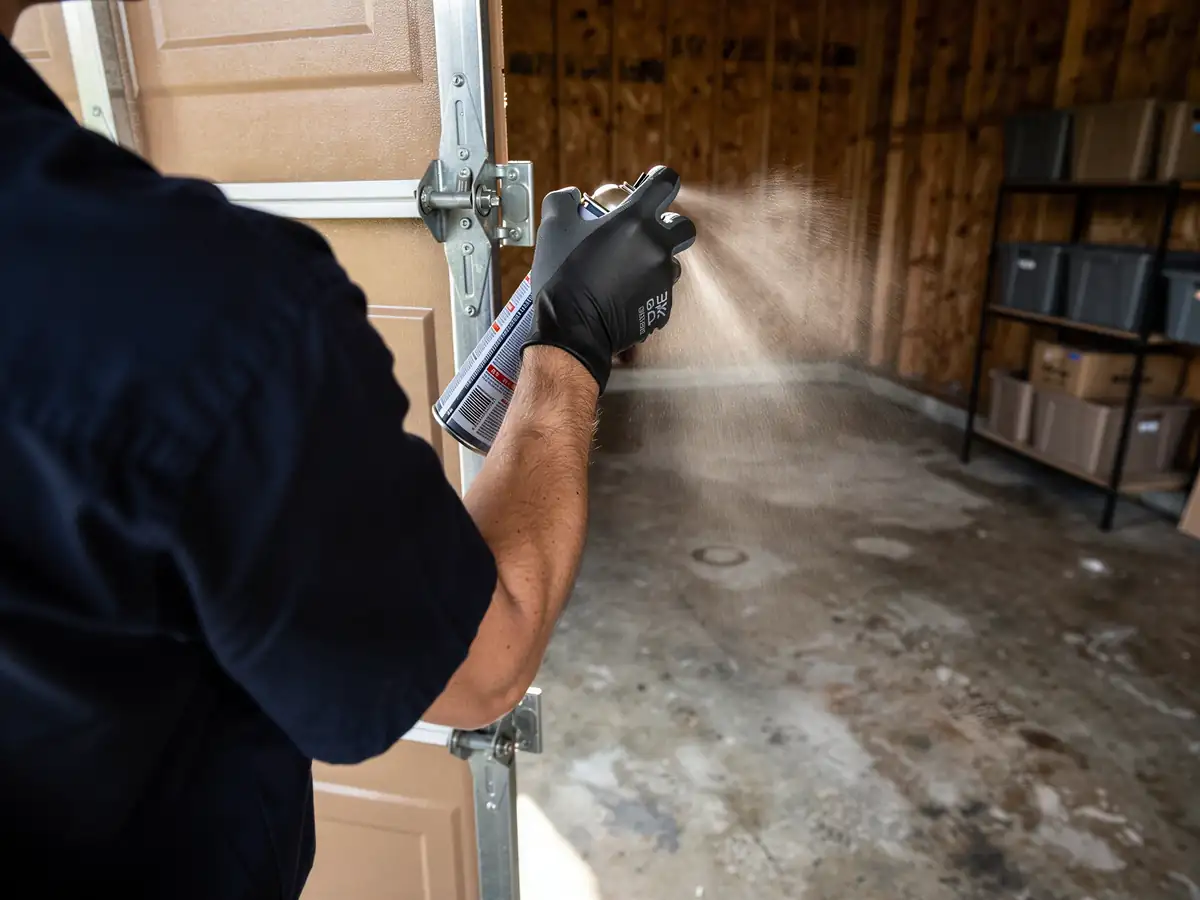
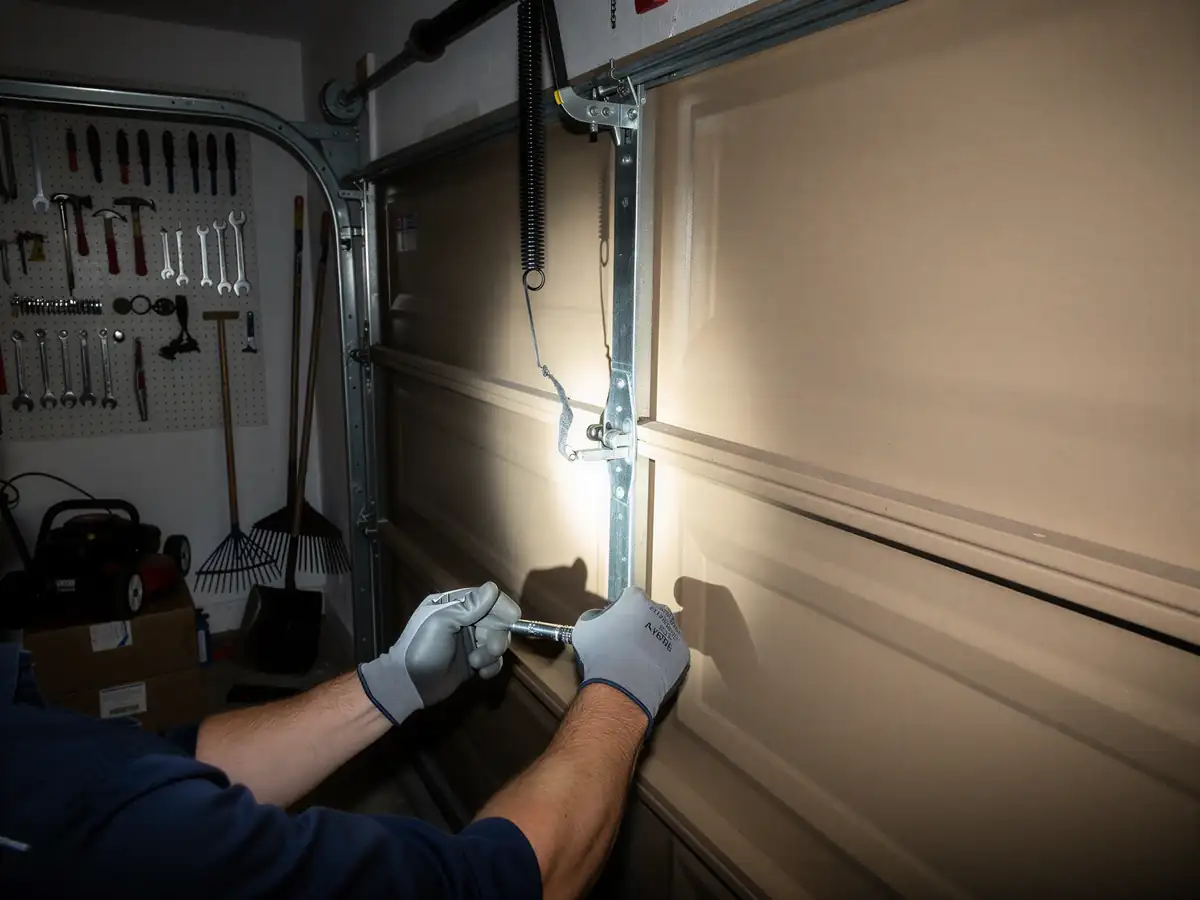
The failure mode we see most in this area isn't the dented panel itself, it's what's holding it. Keego Harbor's housing stock dates to around 1971, the same window as most of the surrounding area, which means a lot of these doors are original or close to it. Fifty-plus years in, the hinges and rollers around a damaged panel are often as worn as the panel that got hit. Swap the panel alone and you've put a new piece of steel on tired hardware, and it'll show the next time someone backs a trailer in too fast. We check the adjacent hinges, the track alignment, and the roller stems before we quote the panel alone, because replacing one without looking at the other is how a two-hour job turns into a callback.
How It Shows Up
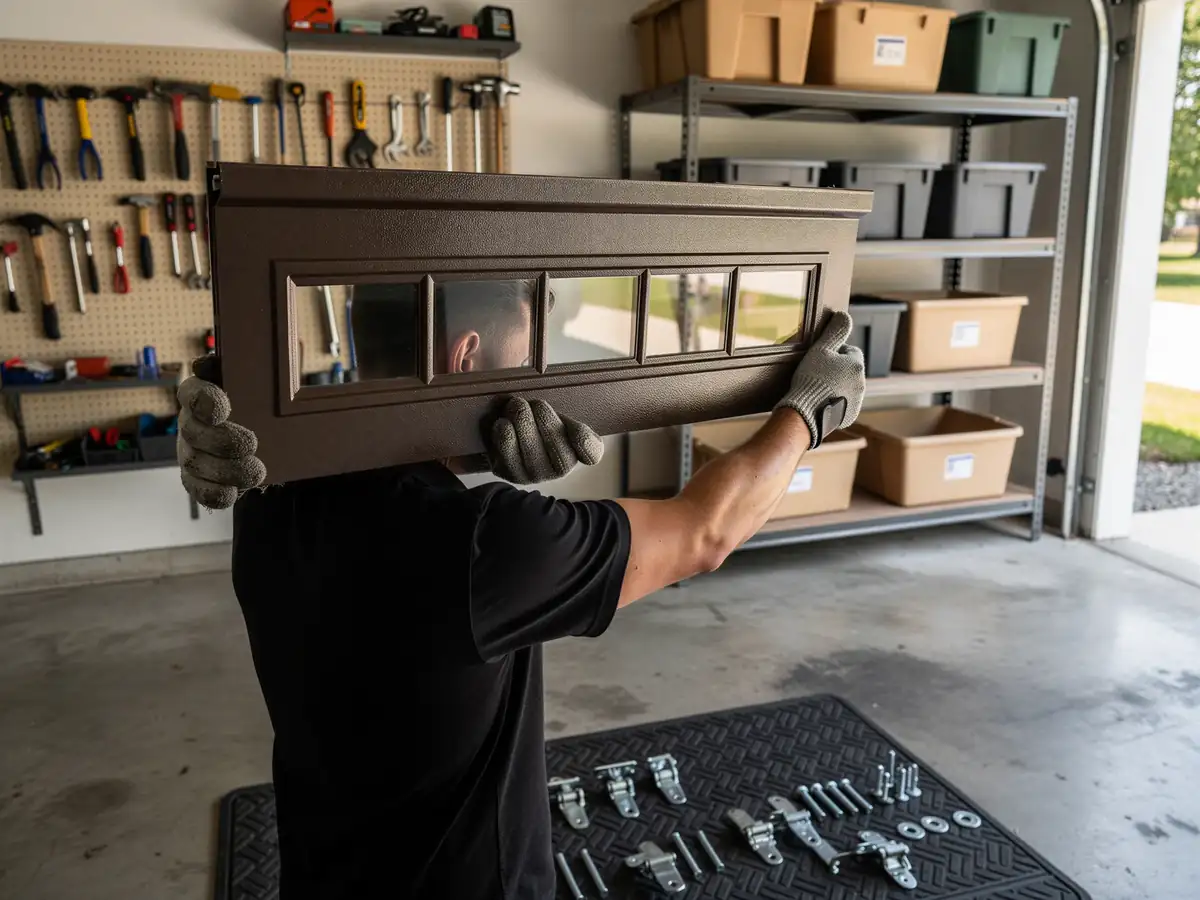
The most common call is a bottom panel that's been caught by a bumper, a trailer hitch, or a snowblower chute, leaving a crease or a bowed-out section that keeps the door from sealing at the slab. Second most common is a middle panel that's cracked along a seam after years of expansion and contraction in a cold climate, which shows up as a thin dark line that widens every winter. Less often, but worth naming, we get calls where someone wants a cosmetic panel swap on a door that's actually failing structurally - rust through the bottom rail, warped stiles - and in that case a panel alone won't fix it, it just delays the real conversation about the whole door.
How We Fix It
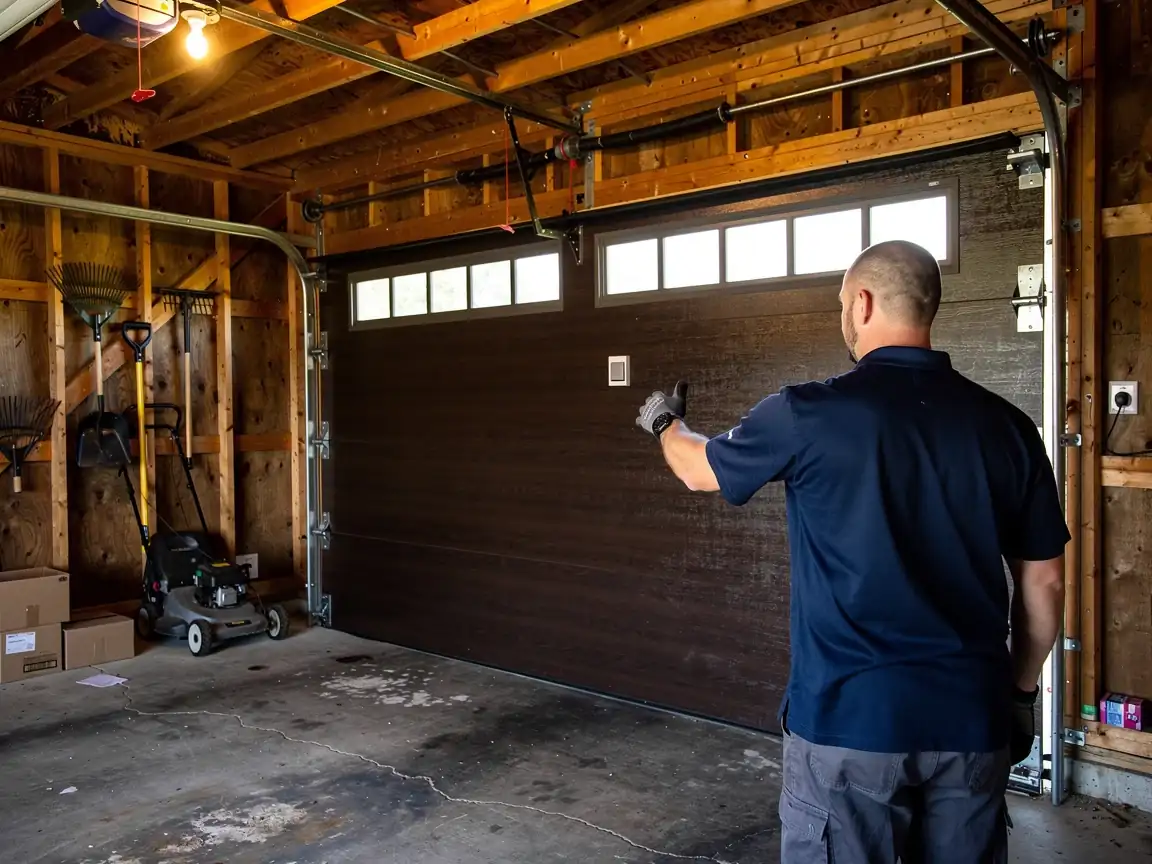
We measure the section, confirm the door's model and panel design, and source a matching panel where one exists. If your door's old enough that an exact match isn't available anymore, we'll show you the closest compatible option before we buy it, not after. On install, we check hinge tension and track alignment on both sides of the new panel, since a 1971-era door with worn hardware next to a brand-new panel is the fastest way to end up back here in six months. One honest limit: if the door's wood trim or the panel profile is obsolete enough that nothing on the market matches it, we'll say so and talk through full door replacement instead of pretending a close-enough panel will look right forever.