What You Pay
Beverly Hills is a small place - 4,043 households, not a few hundred thousand - so this isn't a town where a roller crew is working three jobs a day. Most of the calls that do come in trace back to the same cause: houses here went up around 1960, and across the wider area Waterford covers, the housing stock runs 1949 to 1993. That older end of the range is where Beverly Hills sits, which means original steel rollers on steel tracks, now pushing 65 years of use.
What drives the bill isn't the town, it's the door. A full set of ten rollers costs more than swapping the two or three that have actually failed, and steel ball-bearing rollers cost more up front than nylon but outlast them. We don't publish a flat number here because it depends on whether the track is still straight, whether the hinges are bent from the roller riding rough, and whether this is a one-door job or a two-car double that's been limping along for a season. A tech can tell you on site once the door's open and the track's been checked by hand, not by phone.
One honest limit: if the track itself is bent or rusted through, roller swap alone won't fix the noise - that's a track job, priced separately.
Doing It Yourself
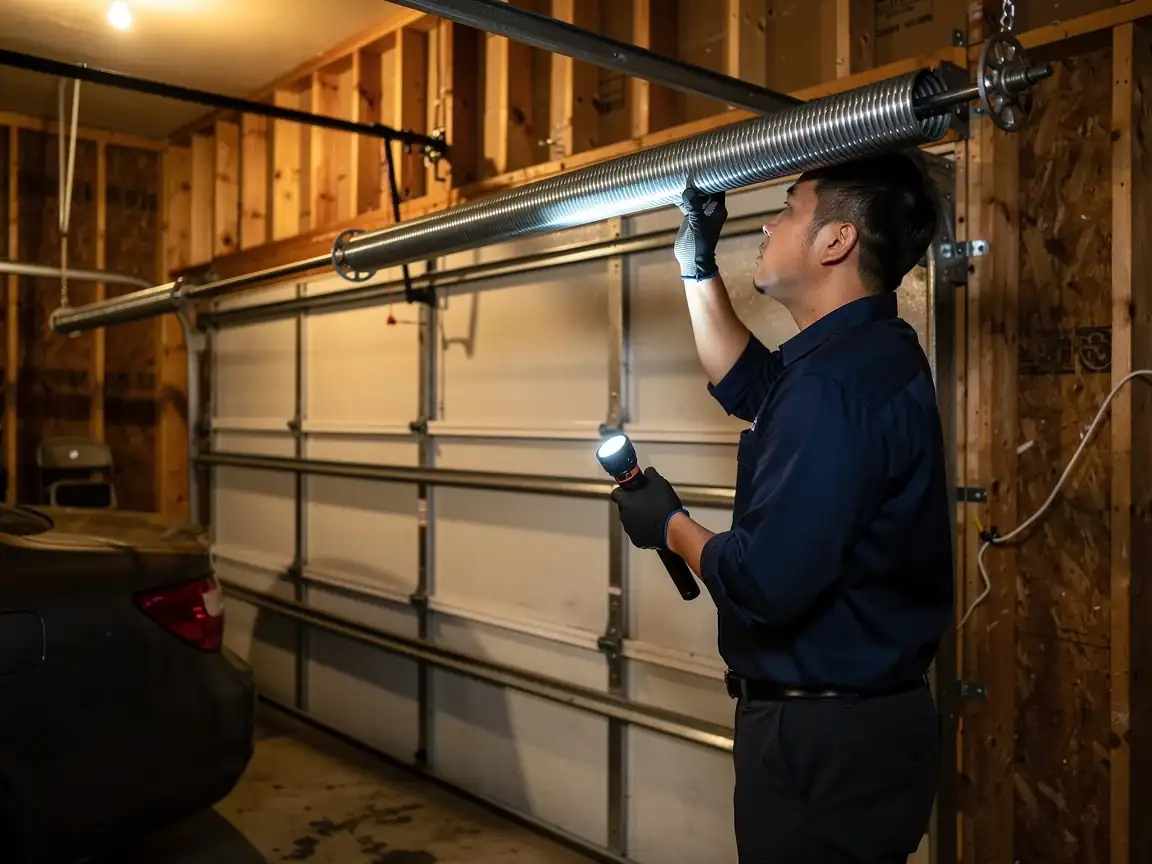
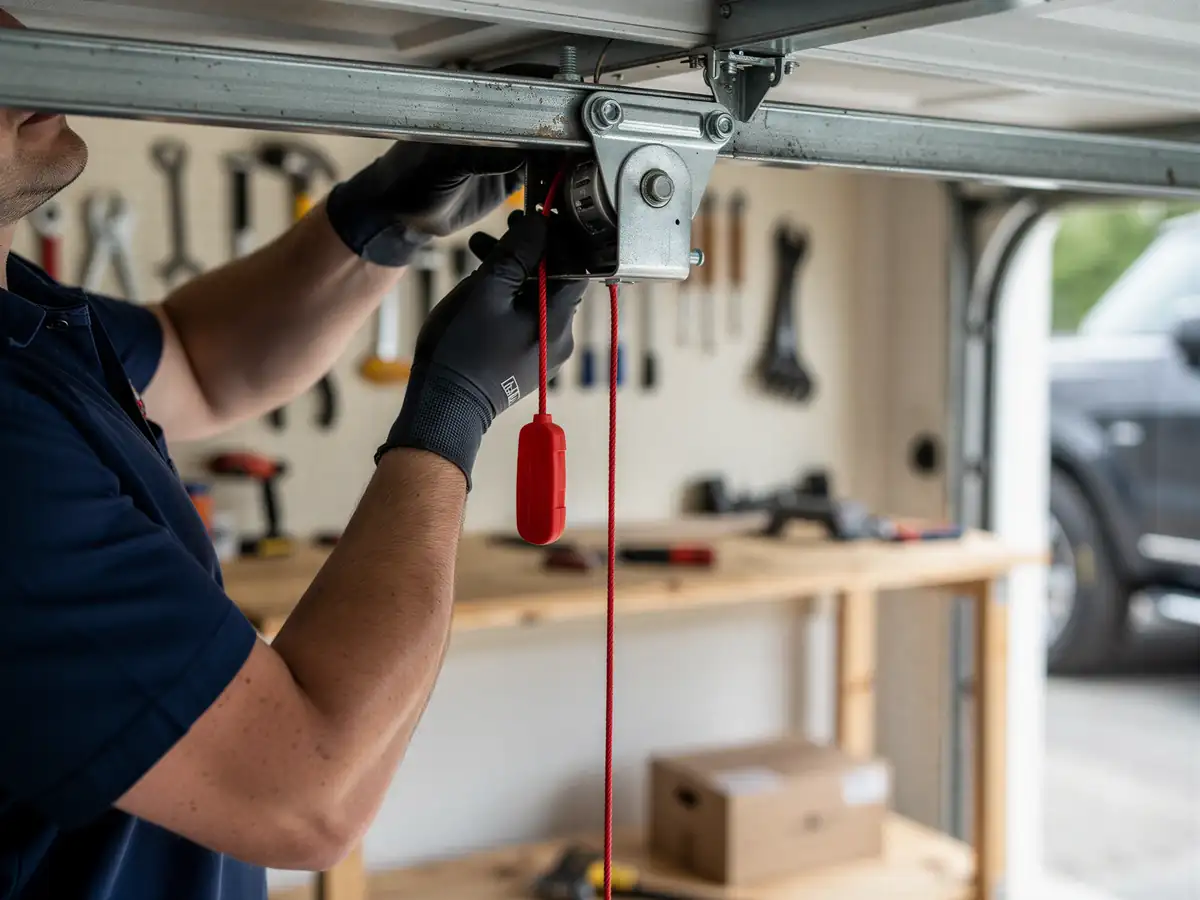
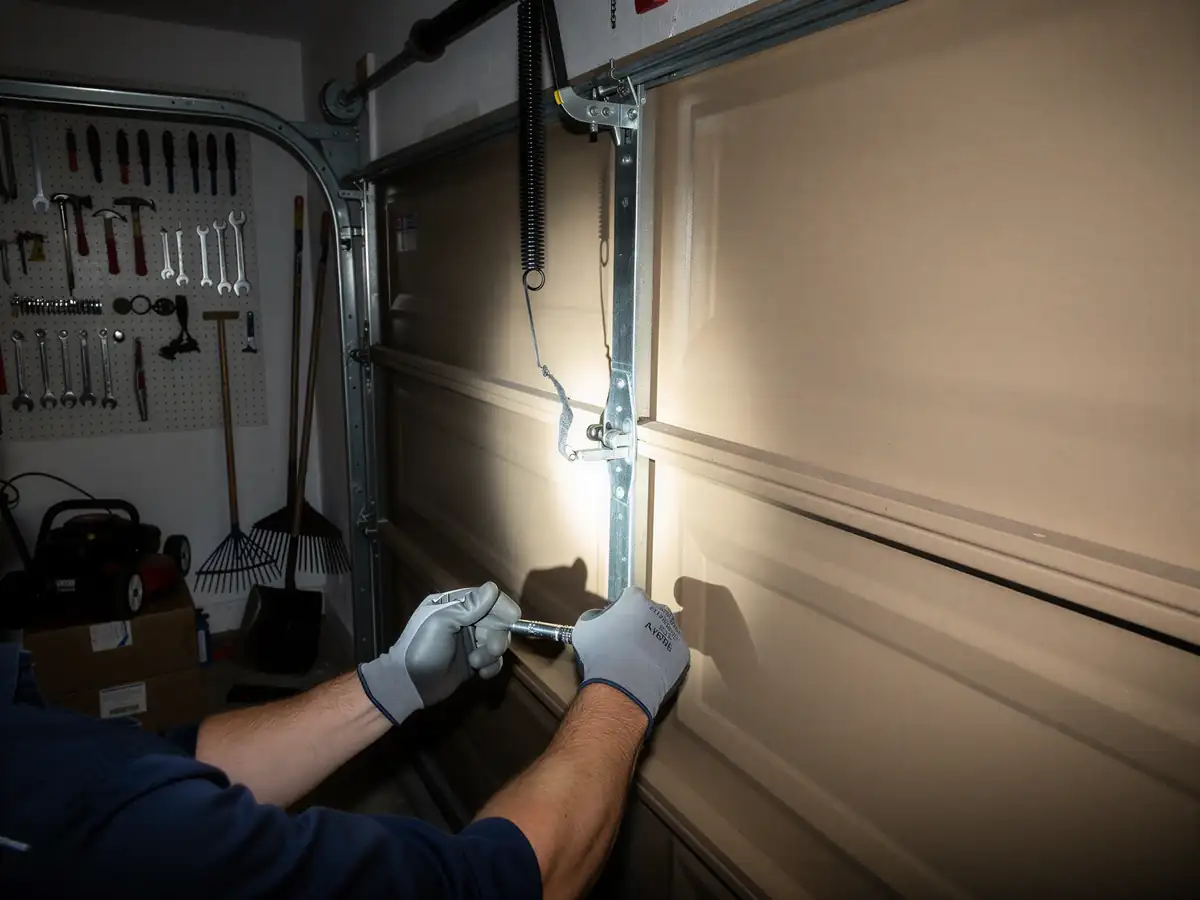
A roller swap is one of the more DIY-friendly garage door repairs, and plenty of Beverly Hills owners with a 1960s door and basic tools can pull the old rollers and seat new ones in an afternoon. The catch is the spring side. On a torsion system, which is what most doors from this era use, you're working against serious stored tension, and that's not a place to learn on the job.
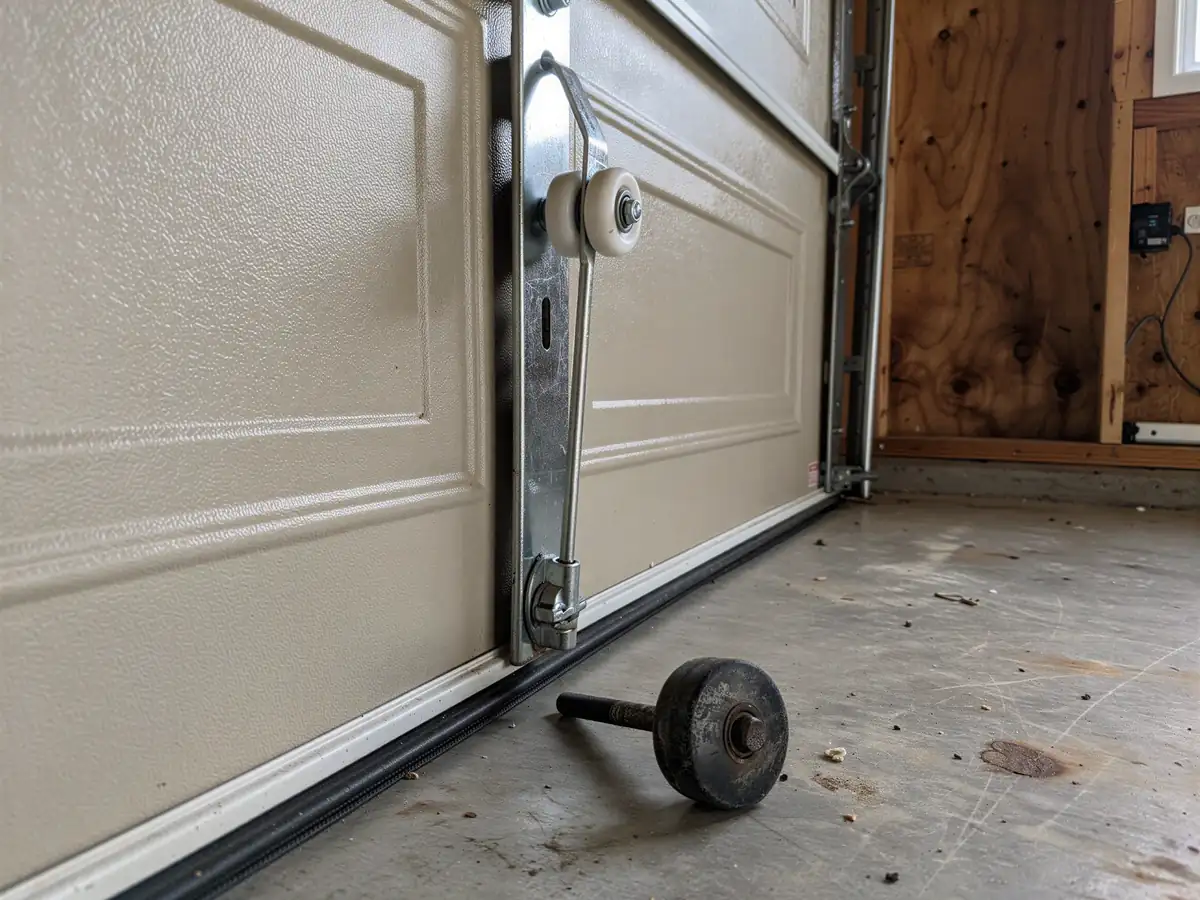
The area's cold-severe winters add a wrinkle most people don't think about. Nylon rollers that have gone brittle from decades of cold cycling can shatter rather than slide out clean, and a broken roller under load can drop a panel edge onto your hand faster than you can react. If the door's original hardware from around 1960 is still in there, assume the roller stems are rusted into the bracket, not just dirty - that's a penetrating-oil-and-patience job, not a five-minute swap.
We'll say plainly: if you're comfortable with hand tools and the door is off a torsion spring while you work, a bottom roller or two is a reasonable weekend job. Anything involving the spring itself, or a full ten-roller set on an old double door, is where we'd tell you to call instead of push through it.
How Long It Takes
We don't post a fixed turnaround for Beverly Hills jobs because the honest answer depends on what's actually wrong once a tech has the door open
Not on a number that sounds good on a web page. What we can tell you is what makes a roller job longer or shorter here specifically.
A door with original 1960s-era rollers usually means more time, not less
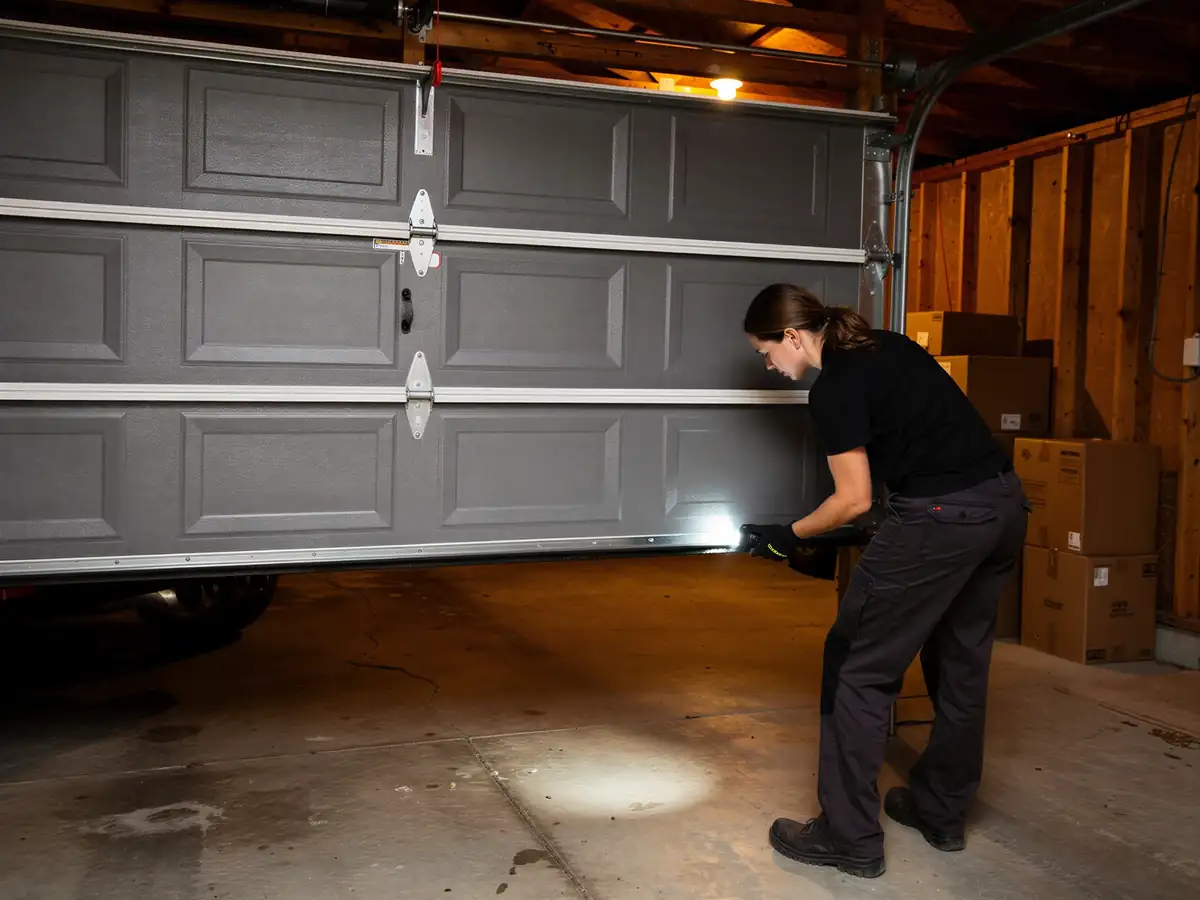
Because the roller stems have often rusted into the track bracket and need to be worked loose rather than pulled. A newer door with nylon rollers that simply wore out comes apart faster. Track condition matters too - if six decades of use have left the track slightly bowed, which shows up often enough in houses this age, straightening or shimming the track takes longer than the roller swap itself.
Waterford Garage Door Pros covers Beverly Hills from about 15 miles out
That travel distance is part of scheduling a visit, but it isn't part of the time spent at your door once the truck's parked. We're not going to promise a same-day slot here we can't back up with a published figure - ask when you call and we'll give you a straight answer for your specific job.
- 15 miles
How It Shows Up
In a town where most houses date to around 1960, the failure pattern is pretty consistent: a grinding or clicking noise as the door travels, worse in cold weather, because the nylon or steel rollers from that era are reaching the end of their service life at roughly the same time across the neighborhood. You'll often hear it before you see it - a rhythmic thunk as each roller hits the same worn spot in the track.
With a median household income of $175,460 in Beverly Hills, most owners we talk to choose to replace the full roller set once one or two have failed, rather than patch individual rollers on a door that's original to a 1960s build. That's not a sales pitch, it's just the pattern - once one steel roller has worn its bearing out, the rest on that same track aren't far behind.
A door that sticks or jerks only in the coldest part of winter and runs fine the rest of the year is a strong sign of brittle nylon rollers rather than a track or spring problem. That distinction matters because it's a smaller, cheaper fix than most owners assume when the door starts acting up.