What You Pay
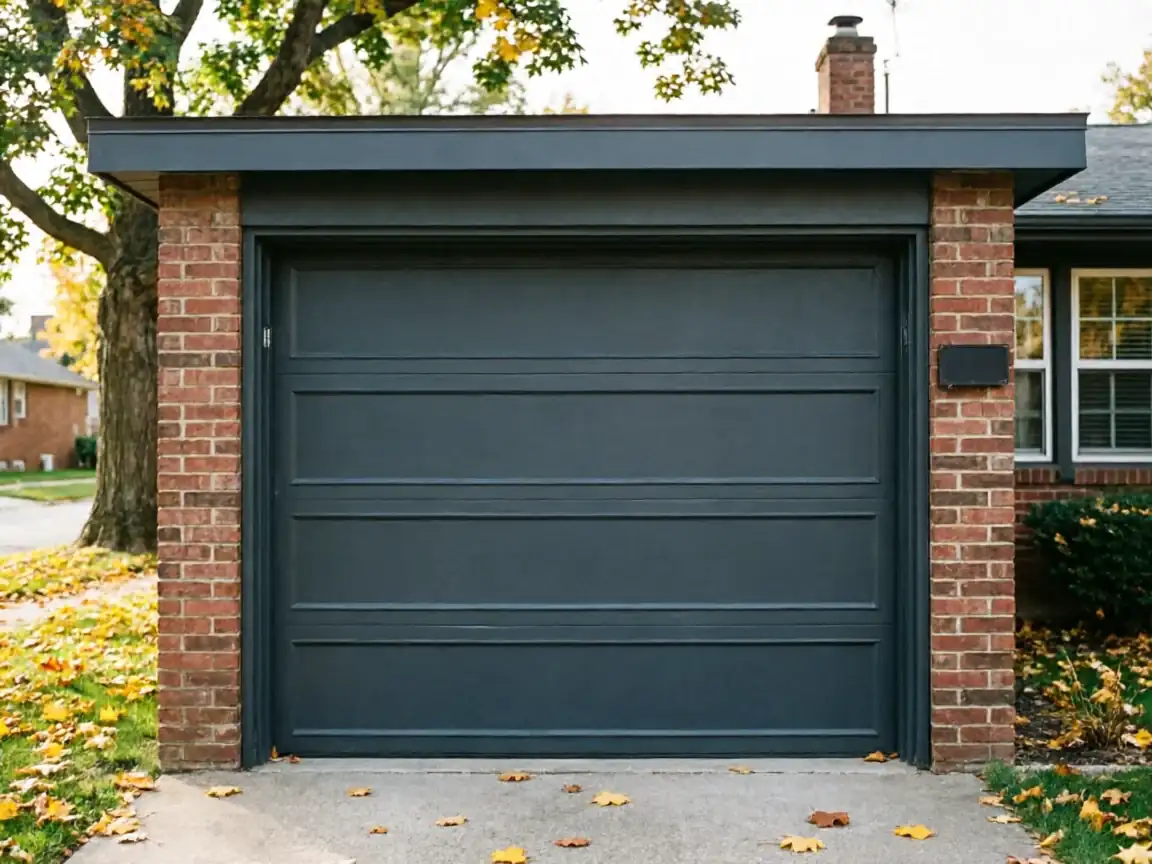
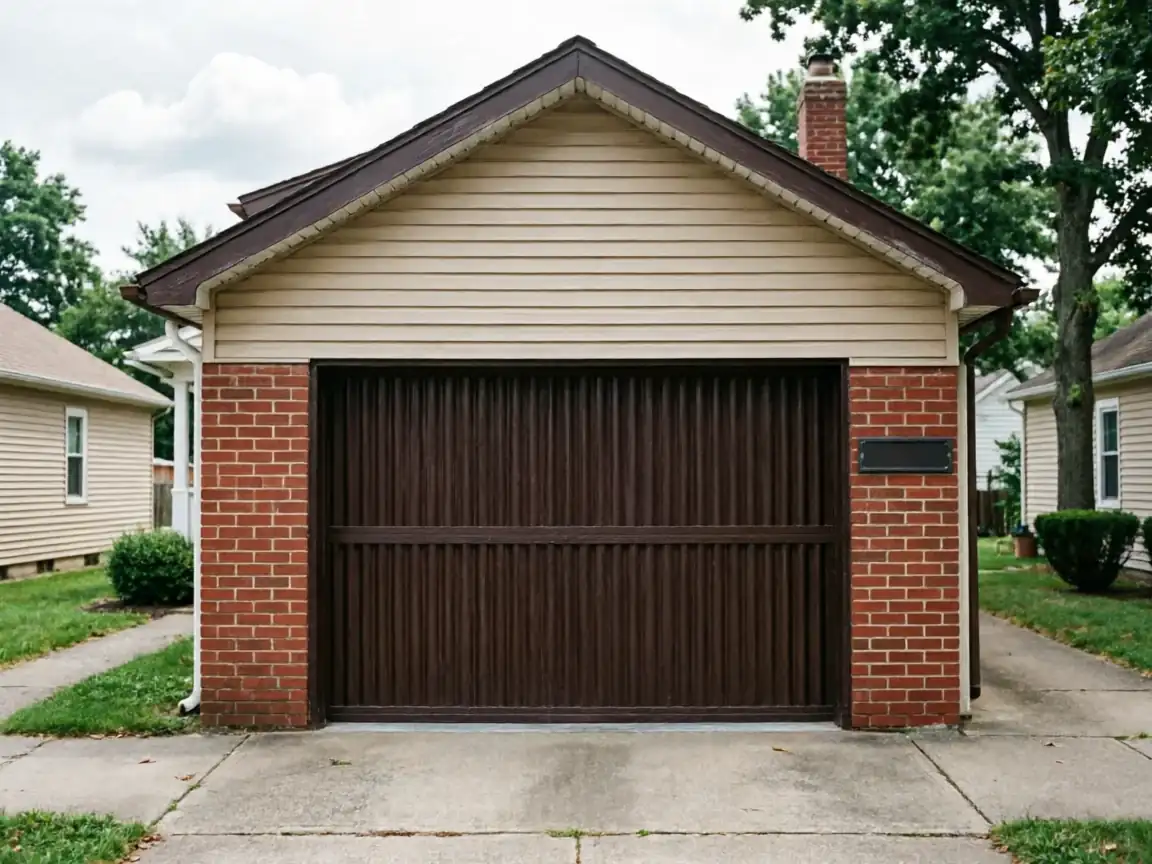
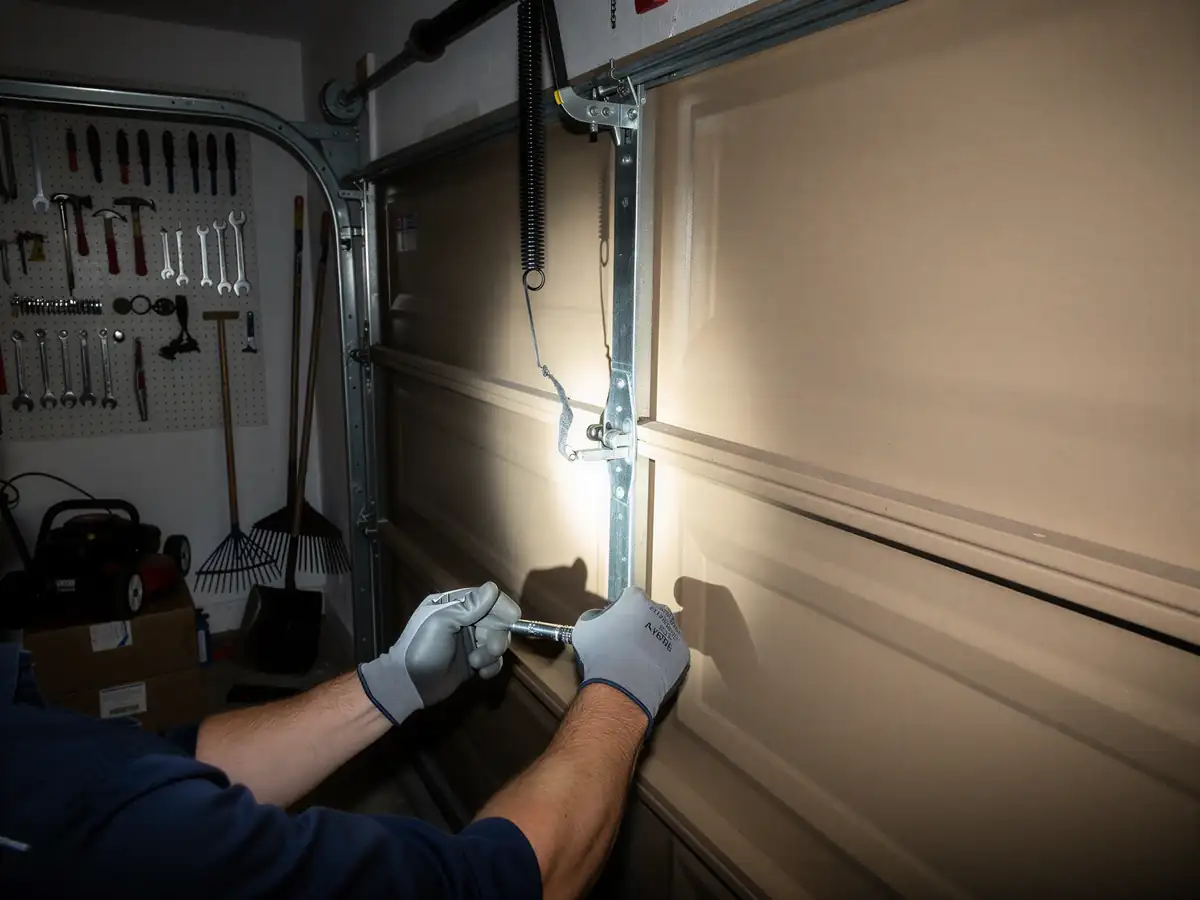
Beverly Hills sits at the older end of the housing stock we service. The median home here dates to around 1960, a good decade ahead of the 1973 median across the rest of the Waterford service area. That matters for maintenance because a door built or replaced to match a 1960 house is more likely to be a single-layer steel panel or an early wood-faced sectional, hung on narrower hinge brackets, sometimes still running on extension springs stretched along the horizontal tracks instead of a torsion bar over the header.
Maintenance pricing isn't a flat number we can quote sight unseen - it depends on whether you're on extension or torsion hardware, how many panels, and what's already worn. What we can say is that Beverly Hills households report a median income of $175,460, well above the $102,333 median for the wider area we cover, and in practice that tends to show up as more owners booking a maintenance visit before something breaks rather than after. A tune-up on older extension-spring hardware generally runs differently than a torsion-bar service call, and we'll tell you which one you have before we quote anything.
See garage door repair in Beverly Hills if something's already failed rather than just due for a check.
Doing It Yourself
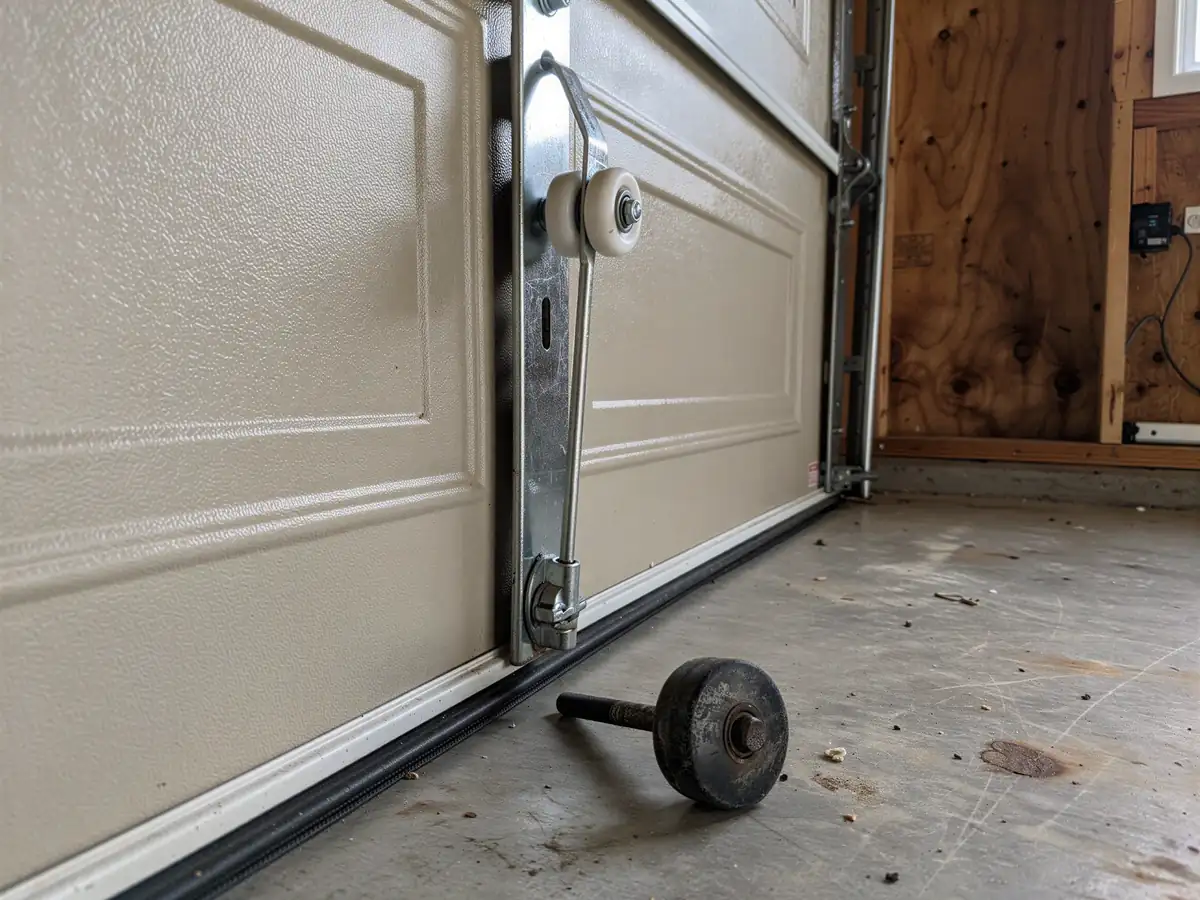
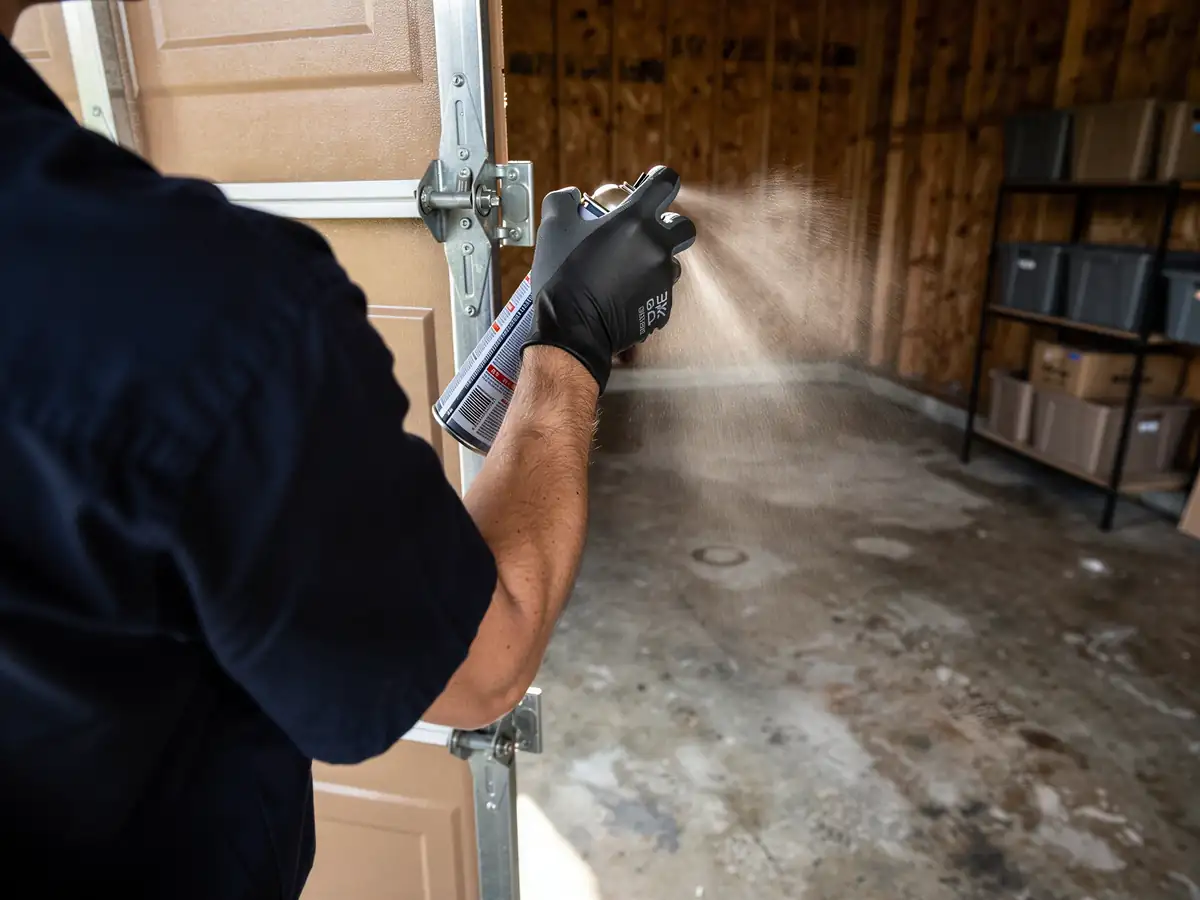
On a door this age, a few things are safe for an owner to do and a few are not. Wiping down and lightly lubricating steel rollers and hinges, checking that the bottom weather seal still seats flat, and watching for rust bloom on an older steel skin - all fine, all worth doing twice a year on a house built around 1960.
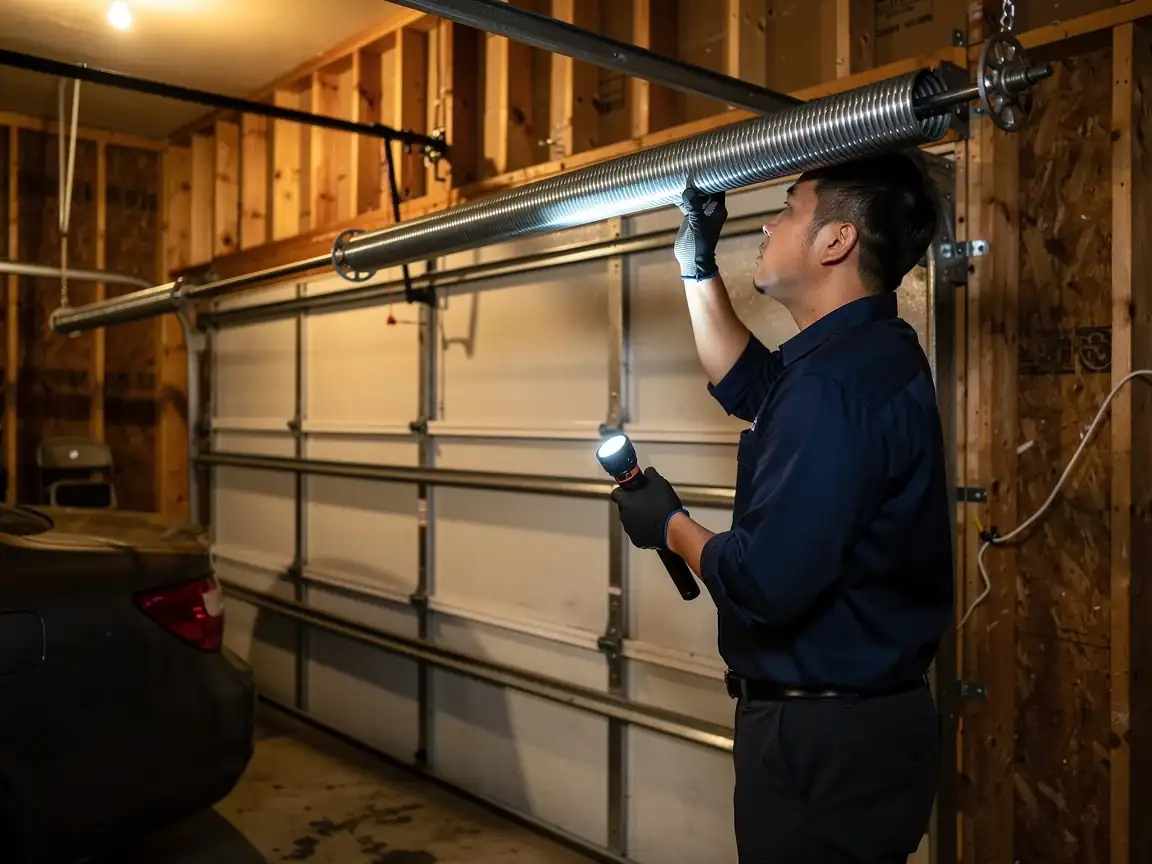
What we don't recommend touching yourself: extension springs. Unlike a torsion spring contained on a shaft, an extension spring under tension along the track can let go with real force if a cable frays or an S-hook slips, and a lot of the original 1960-era hardware out here still uses them without a safety cable retrofit. If you don't know whether your door has a safety cable threaded through the spring, that's a five-minute thing worth having someone check rather than guess at.
We also won't talk you into replacing a door that's structurally sound just because it's old. Plenty of 1960s steel doors are still straight and square; they need new rollers, new seal, and spring service, not a new door.
How Long It Takes
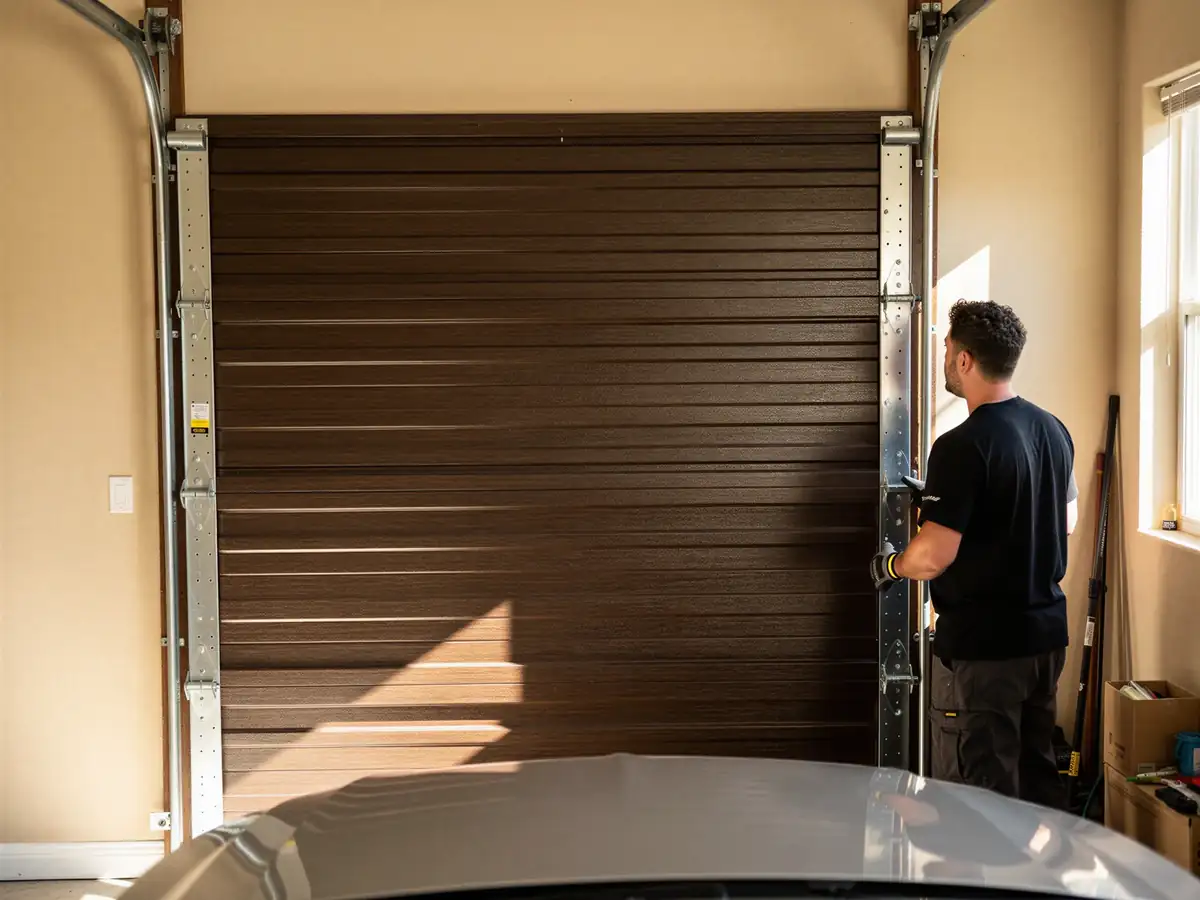
A routine maintenance visit on a single door
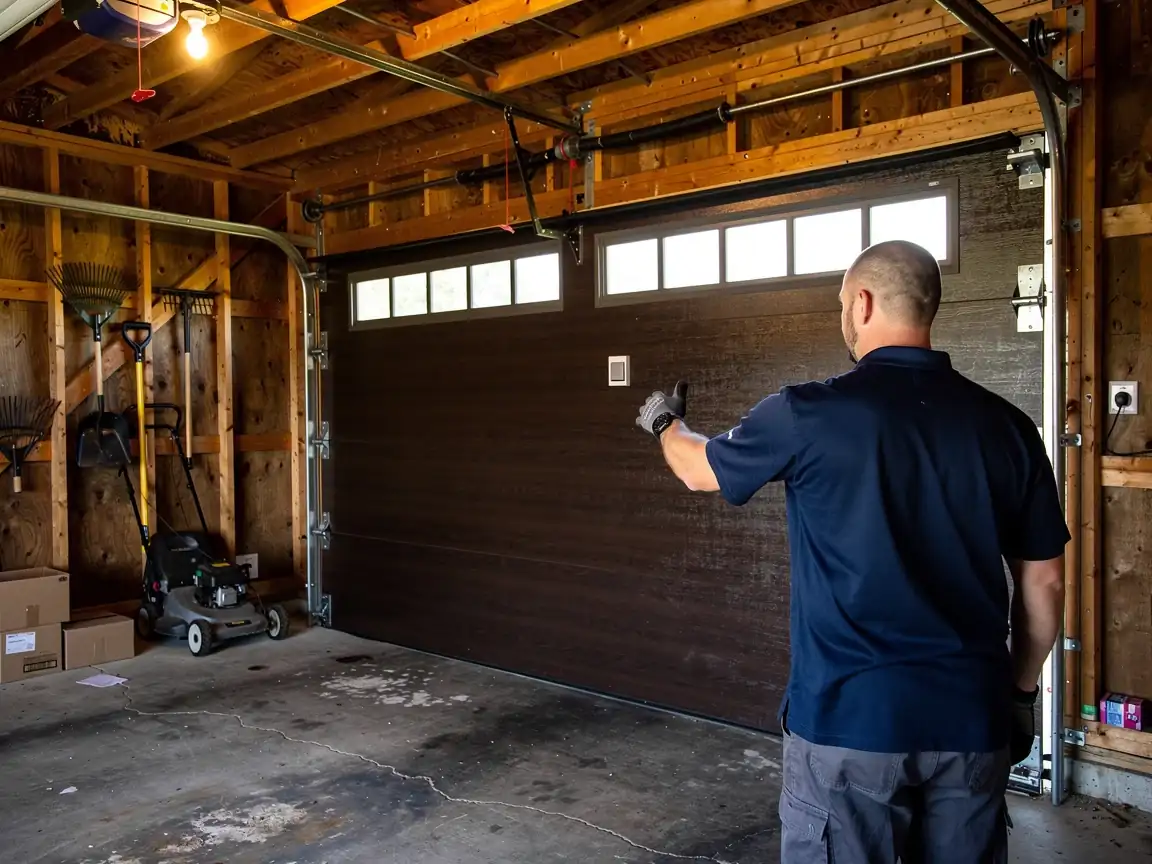
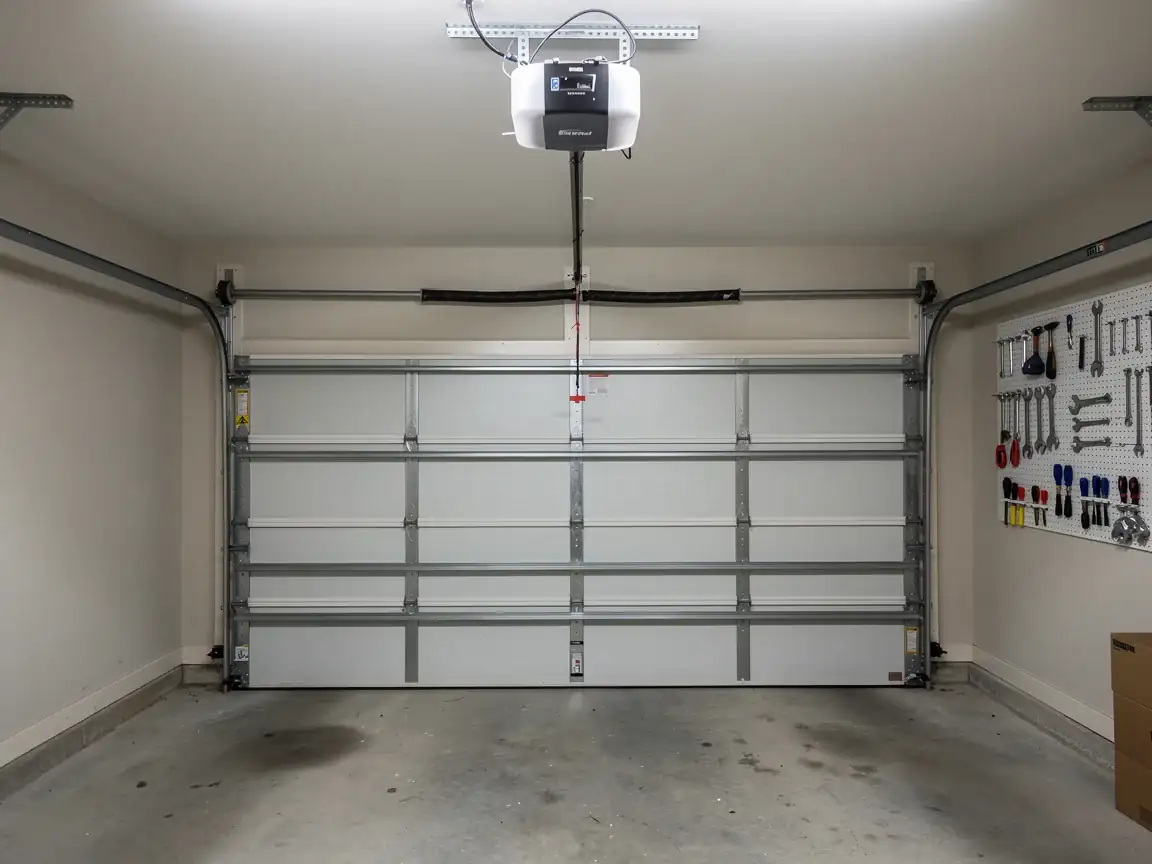
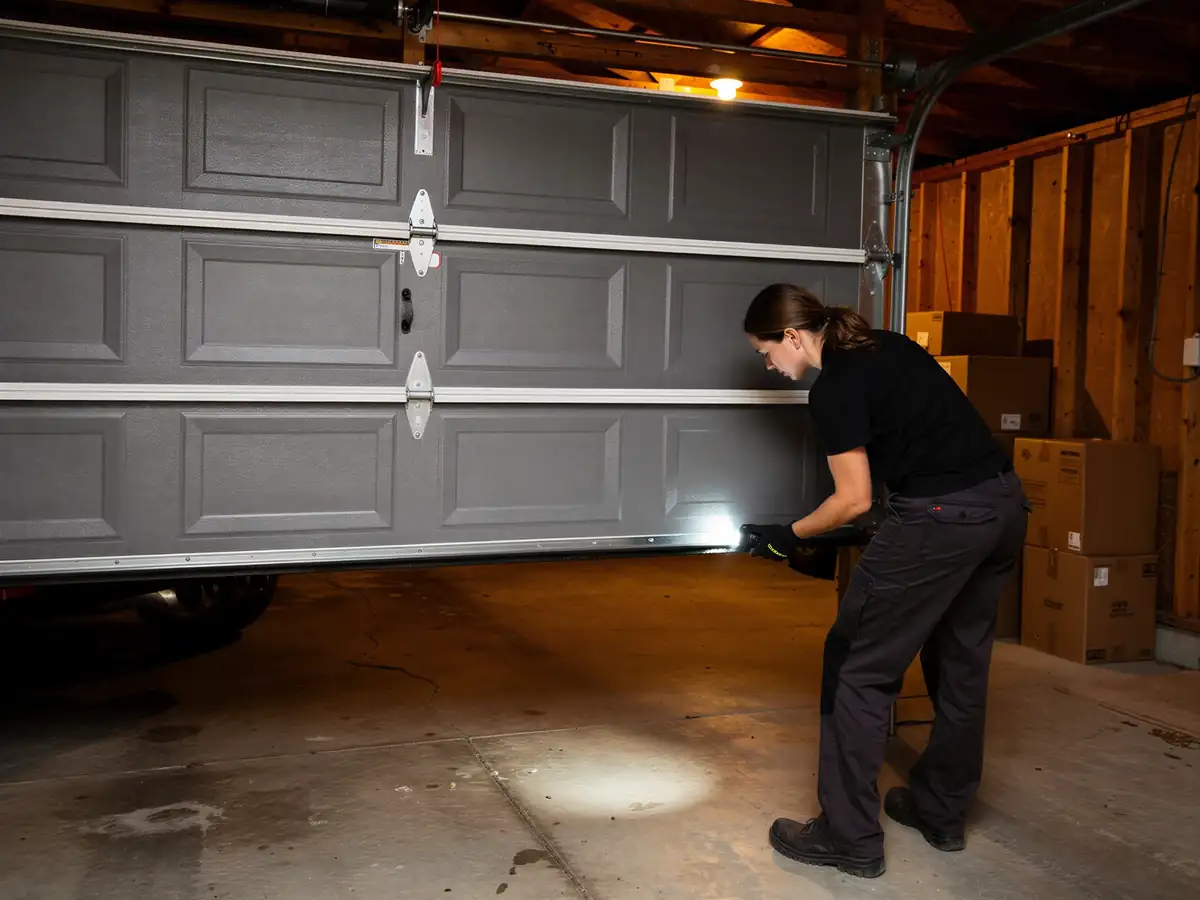
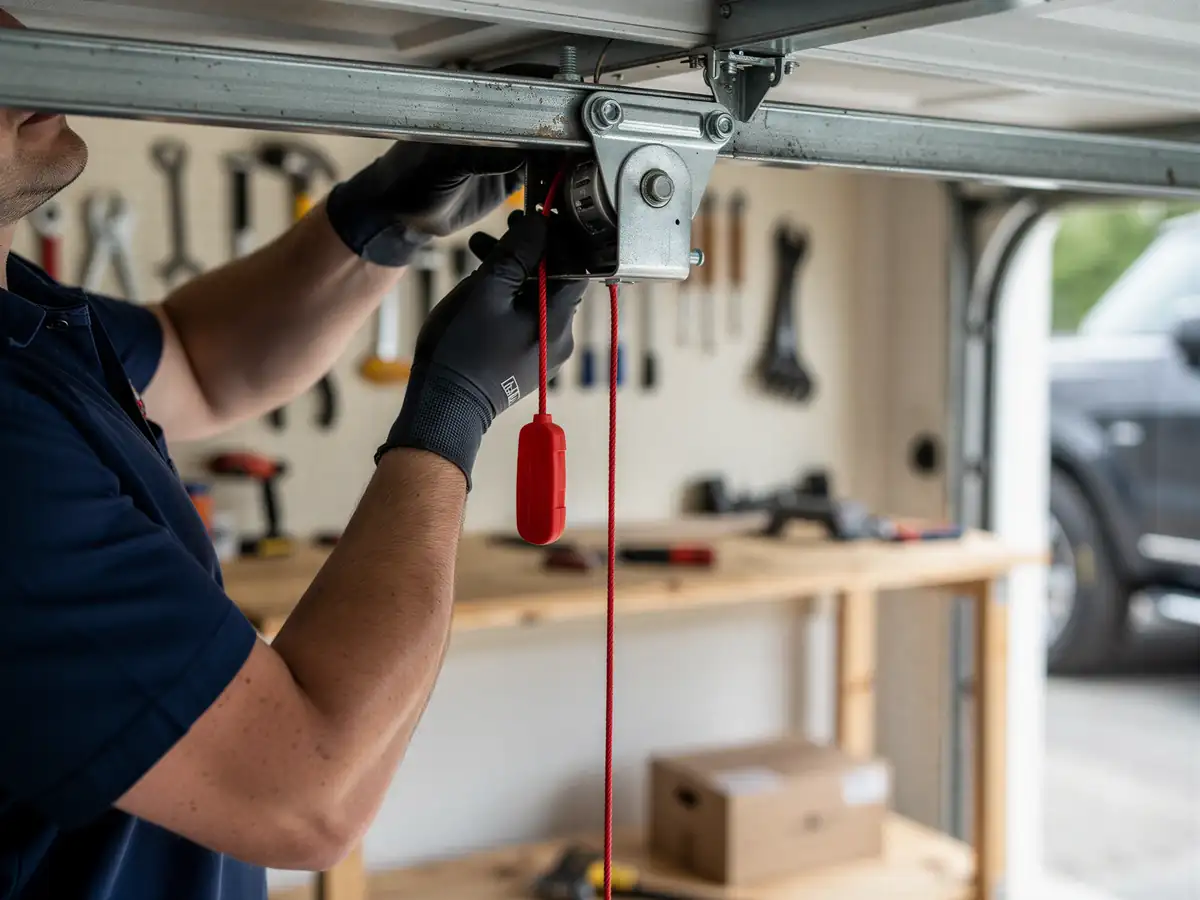
Lubrication, hardware check, balance test, seal inspection - usually runs shorter than a repair call, since we're not waiting on parts. Where it runs longer in Beverly Hills specifically is diagnosis: on a house from 1960, we're more often tracing wear on hardware that was never upgraded to current torsion standards, which takes a bit more looking than a straightforward torsion-spring check on a newer door.
We travel from Waterford for every visit here
Beverly Hills runs about 15 miles out, on the far side of our coverage map, past Birmingham and Bingham Farms. That distance doesn't change how long the work itself takes once we're at your door, but it does mean we schedule the visit as its own trip rather than a quick add-on between closer jobs, so it's worth booking ahead rather than hoping for a same-day slot.
- 15 miles
How It Shows Up
On a 1960s door, trouble tends to show up as noise before it shows up as failure. Extension springs that have lost tension let the door drop unevenly or slam the last foot of travel instead of settling. Hinges worn past spec let a steel panel flex and boom against the track on the way down. None of that is dramatic until the day a frayed cable or a worn pulley lets go under load - which is exactly why maintenance on this era of hardware is less about convenience and more about catching a part before it fails loudly.
The cold winters this area sits under add their own wear pattern: steel contracts, lubricant stiffens, and an opener working against a door that's even slightly out of balance strains harder in January than July. On a 1960s door with original or near-original hardware, that seasonal strain lands on parts that have already had sixty-plus years to fatigue, which is the main reason we check balance and spring tension every visit rather than just the moving parts you can see.