What You Pay
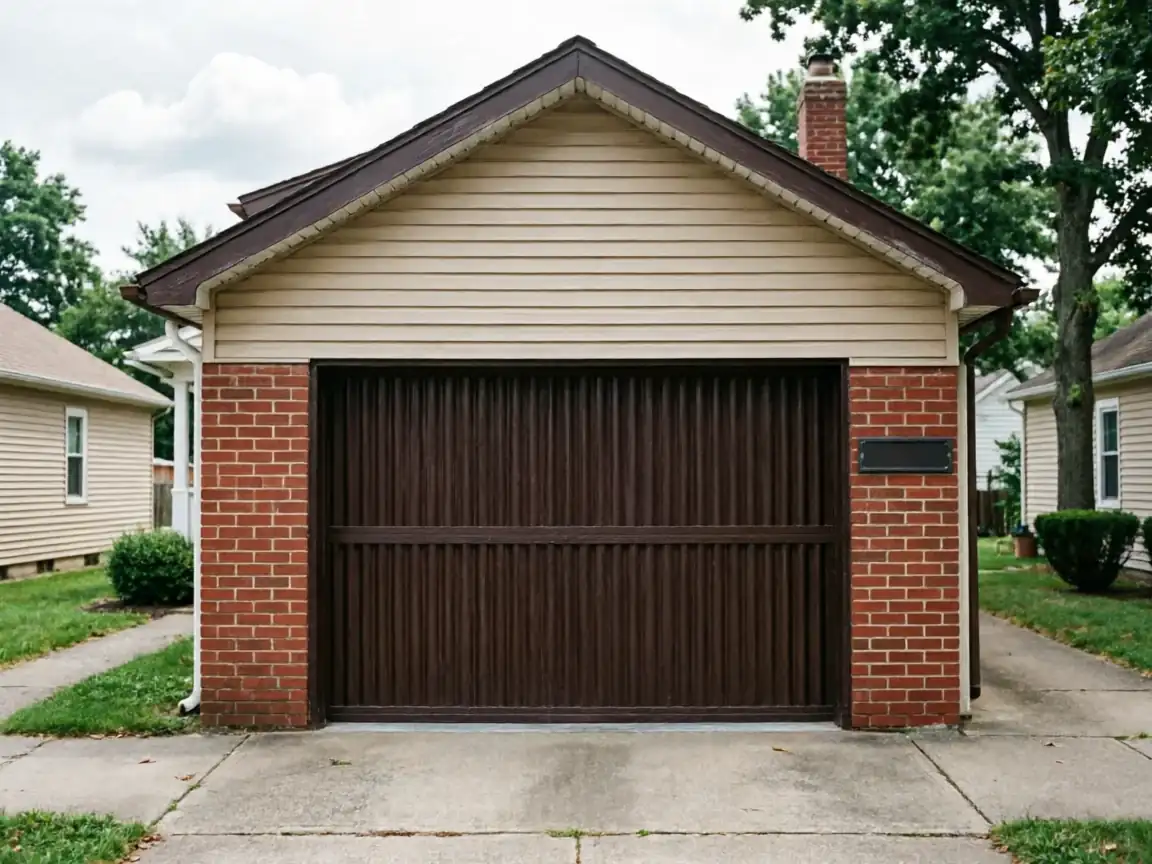
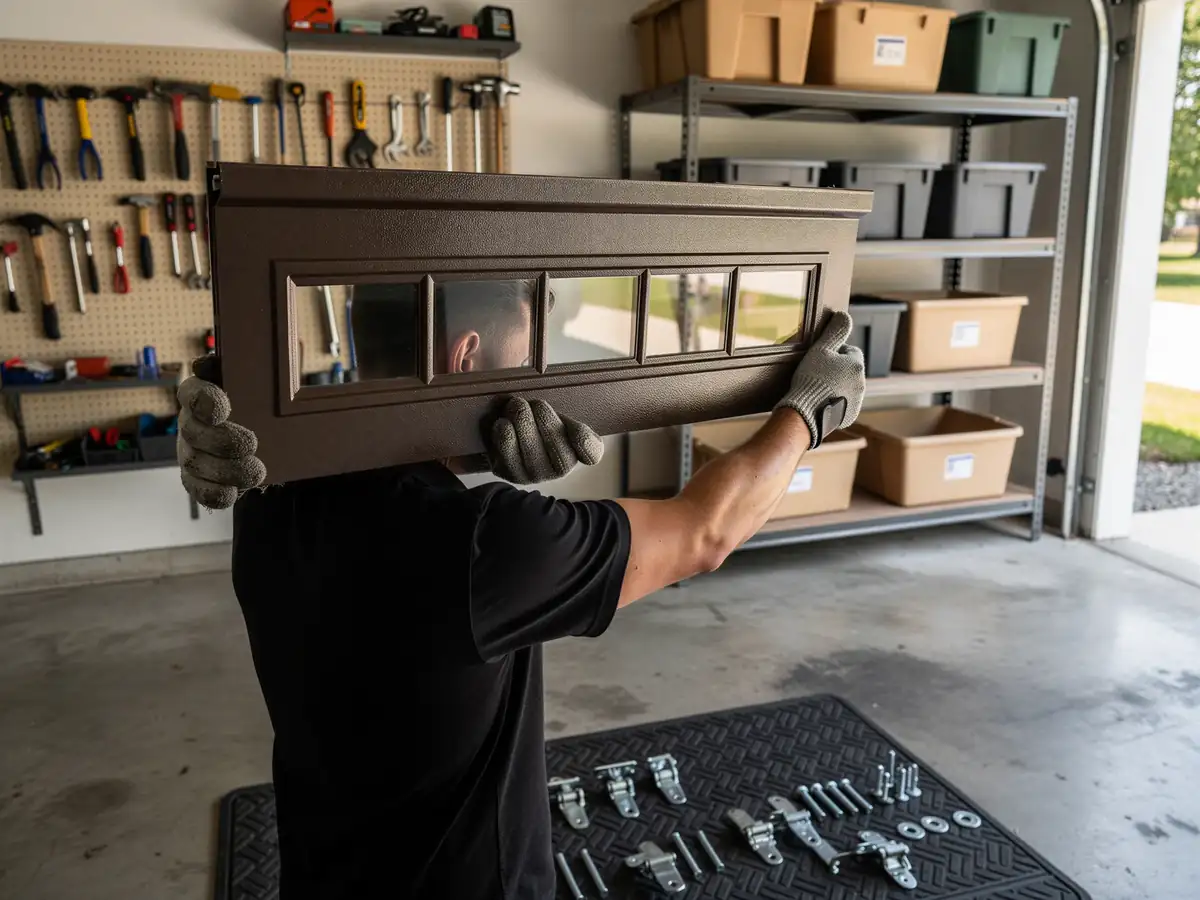
Beverly Hills is a small village, about 4,043 households, and most of those houses went up around 1960. That matters more than the size of the town. A door from that era usually still has its original jamb hardware even if the panels or opener got swapped out at some point, and original hardware fails differently than a ten-year-old setup. The torsion spring on a 1960 door was never rated for today's heavier insulated panels, so if a previous owner upgraded the door but not the spring, you've got a mismatch waiting to snap under load. We price the job on what we find on your door, not on a flat emergency fee, because a stuck cable on original track costs less to fix than a bent track that's been fighting a mismatched spring for years. We're coming from Waterford, about 15 miles out, and that drive is part of the job, not an extra line item hidden in the invoice.
Doing It Yourself
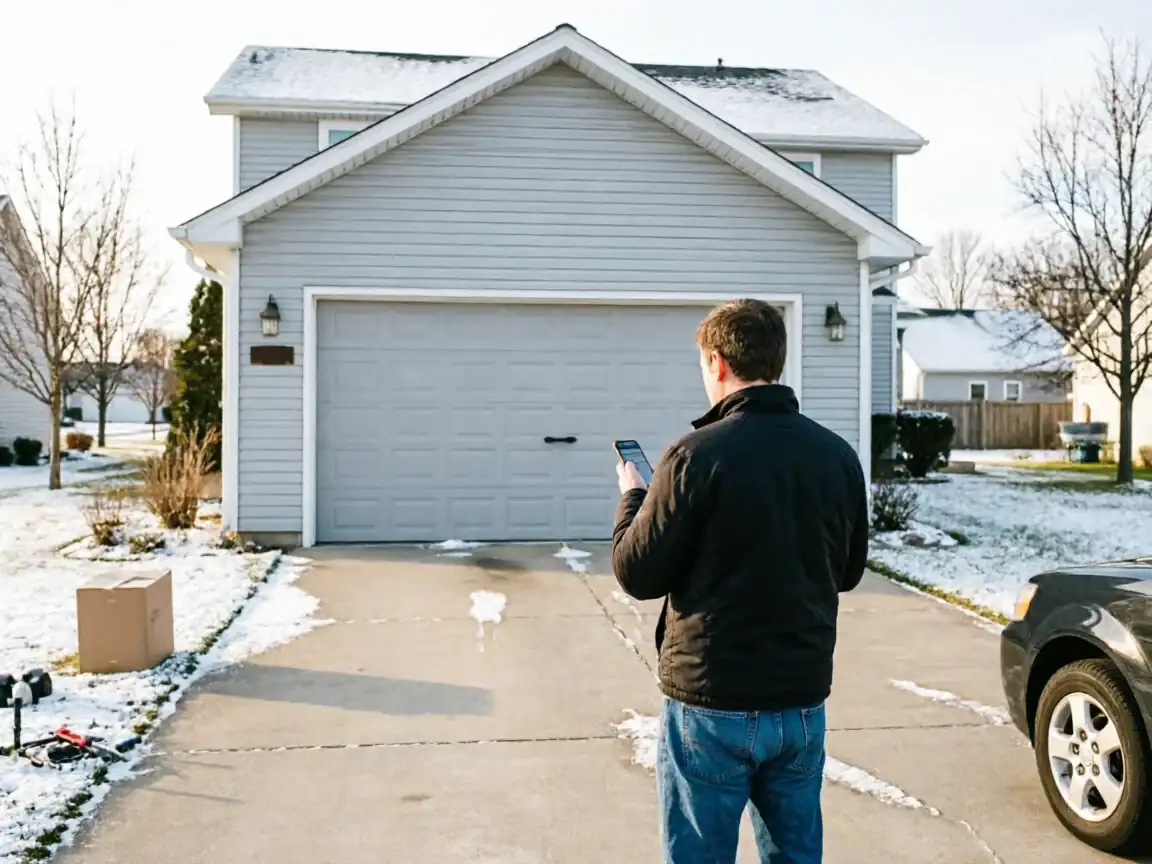
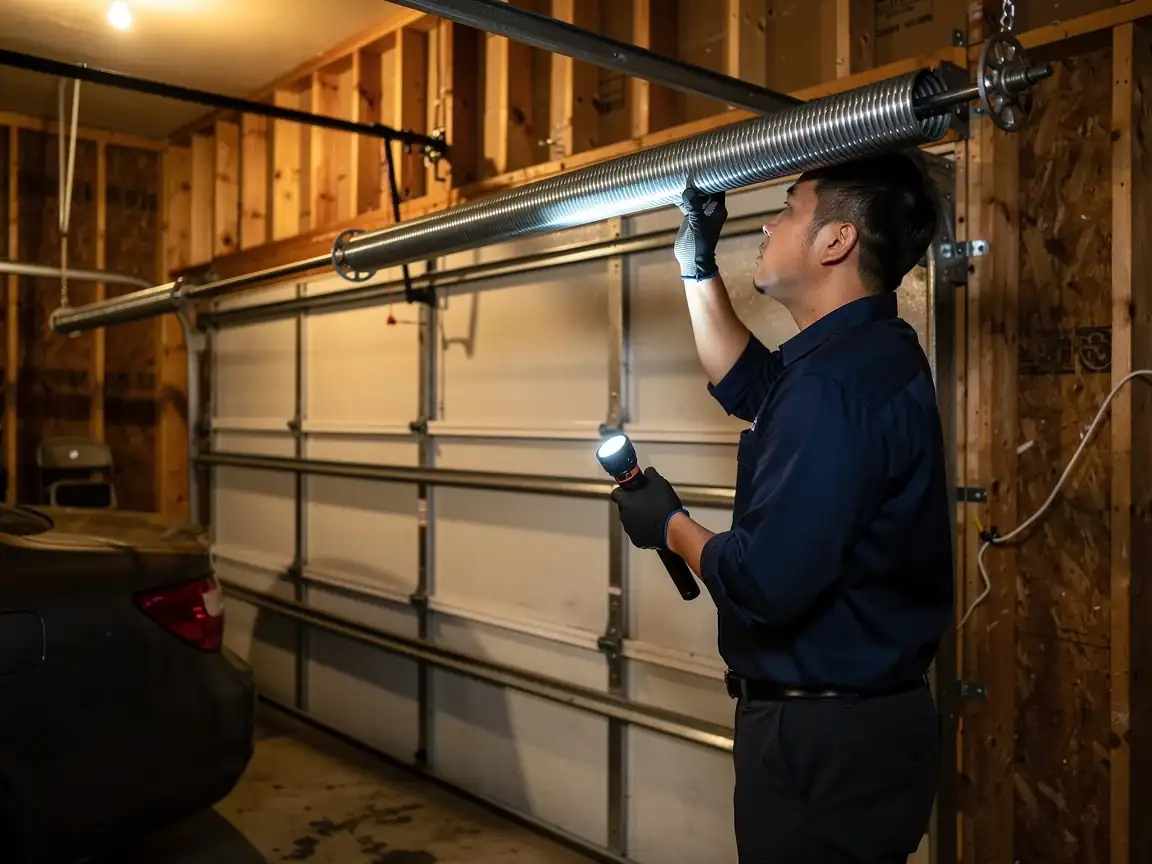
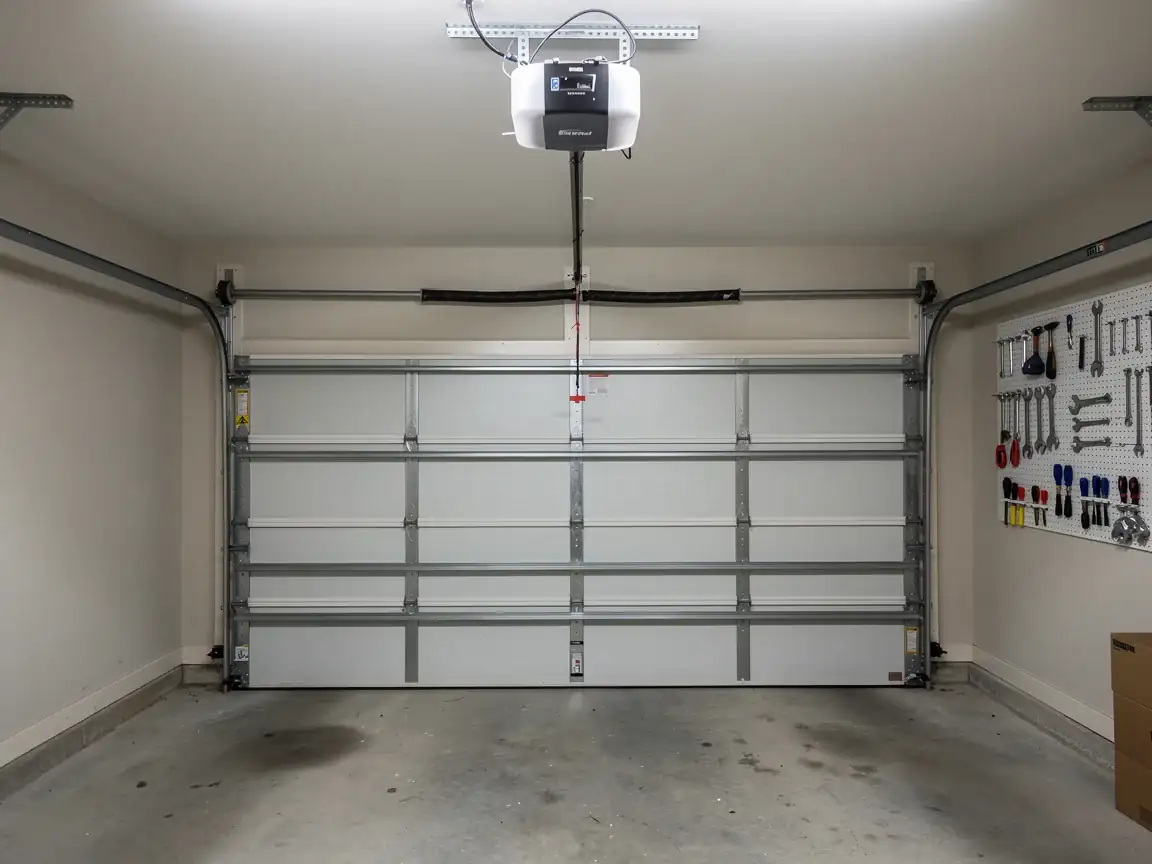
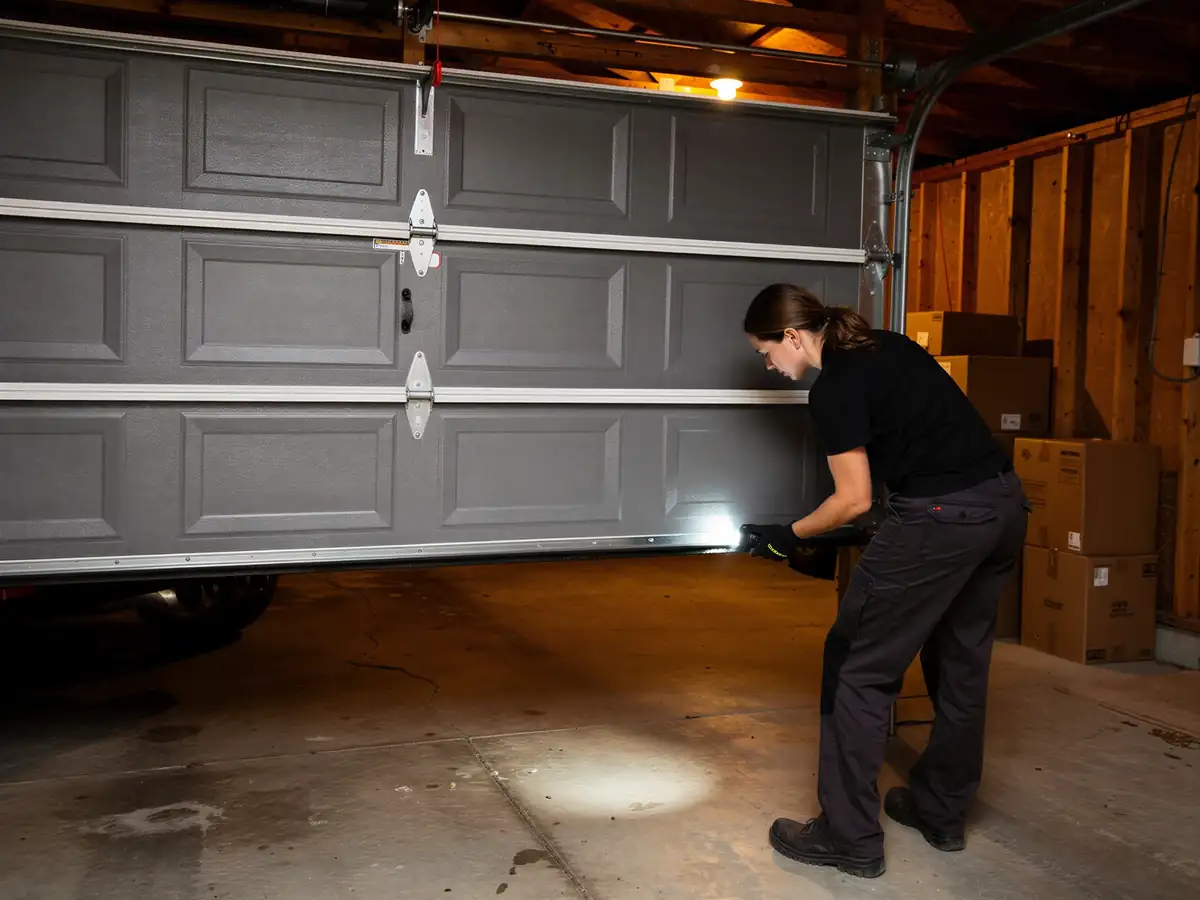
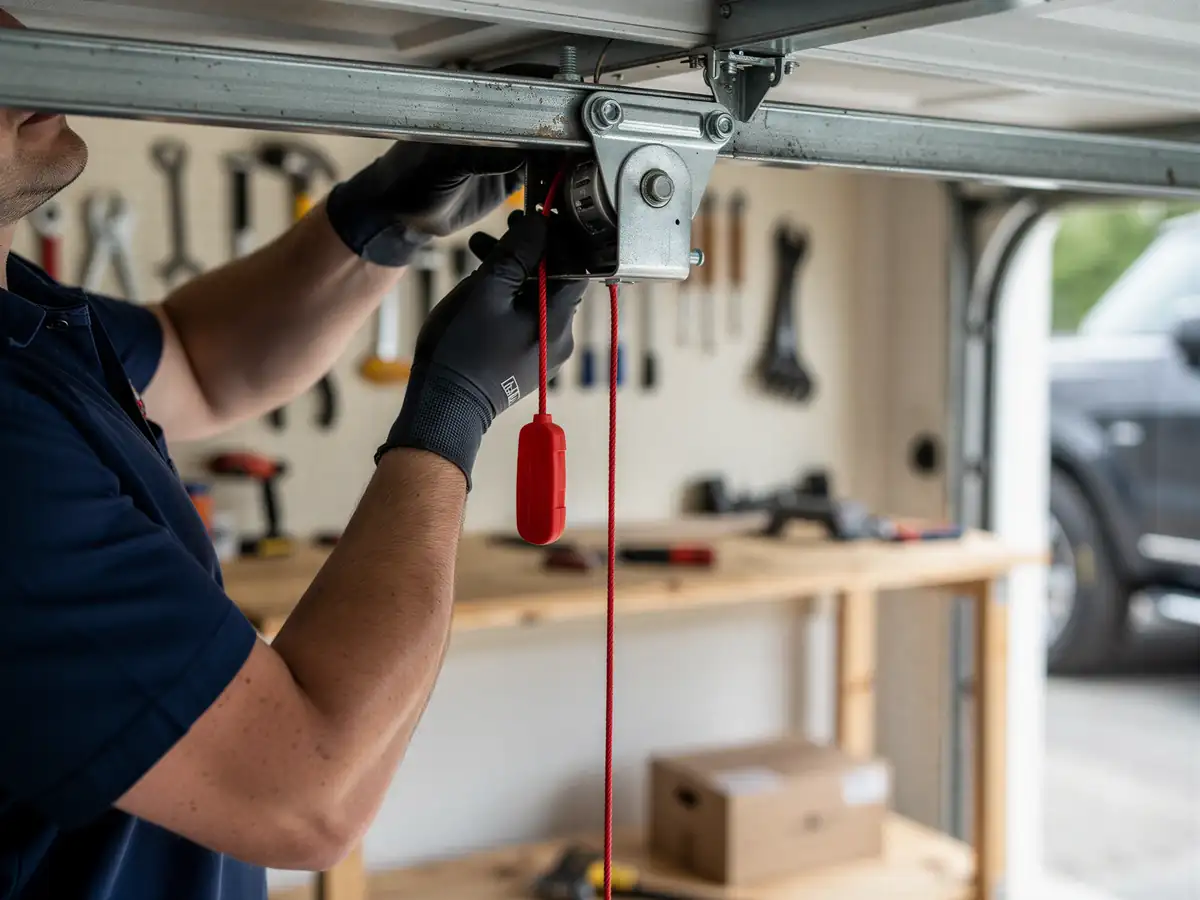
If your door won't open and the spring looks intact, check the obvious things first: the opener's safety sensors, a bent track rail, or a disconnected trolley. Those are safe to look at yourself. What isn't safe is touching a torsion spring under tension, especially one that's original to a 1960 house and has had sixty-plus years to fatigue and corrode. Original springs don't give much warning before they let go, and when they do, the bar they're wound around can move fast enough to break a hand. Cable work on an older drum setup carries the same risk. If the household income here runs well above the regional median, as it does in Beverly Hills, that's often a house where other trades have touched the structure over the decades but the garage door hardware got skipped entirely, because nobody thinks about it until it fails. Know the difference between a sensor you can clean yourself and a spring you shouldn't touch.
How It Shows Up
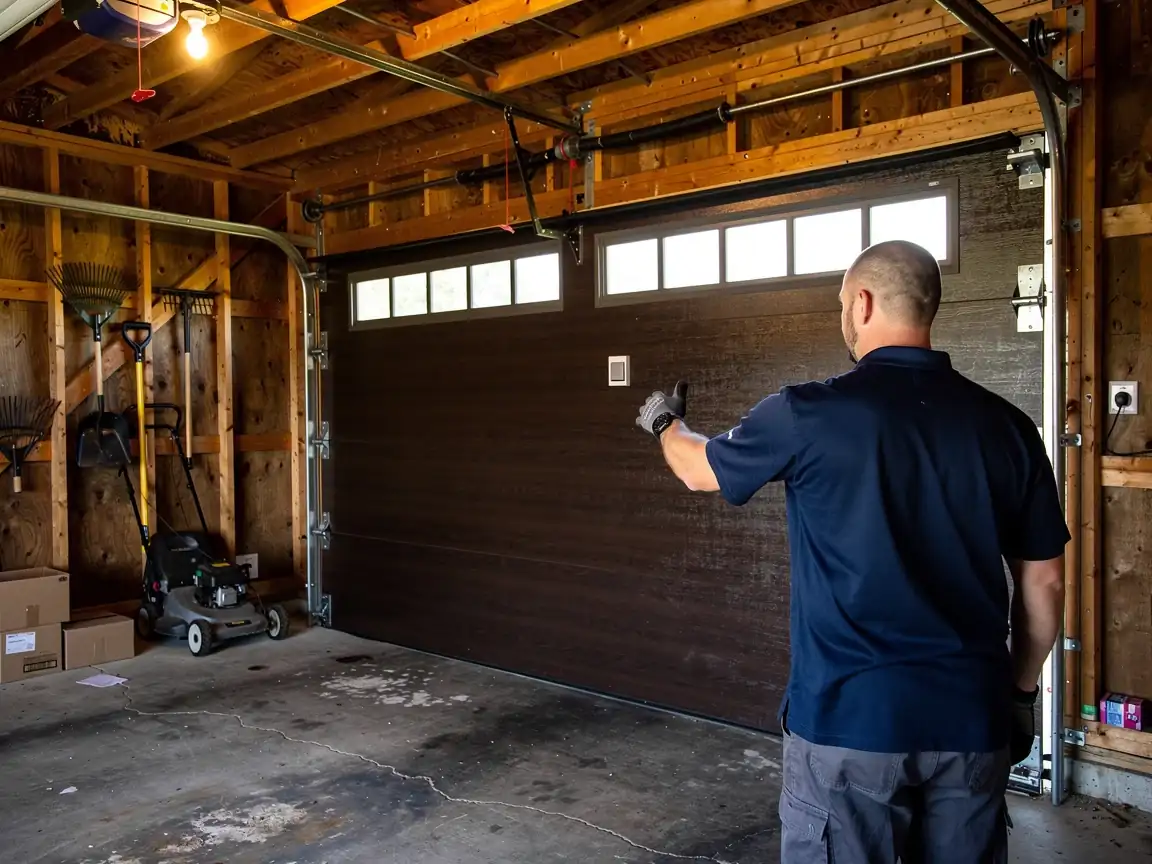
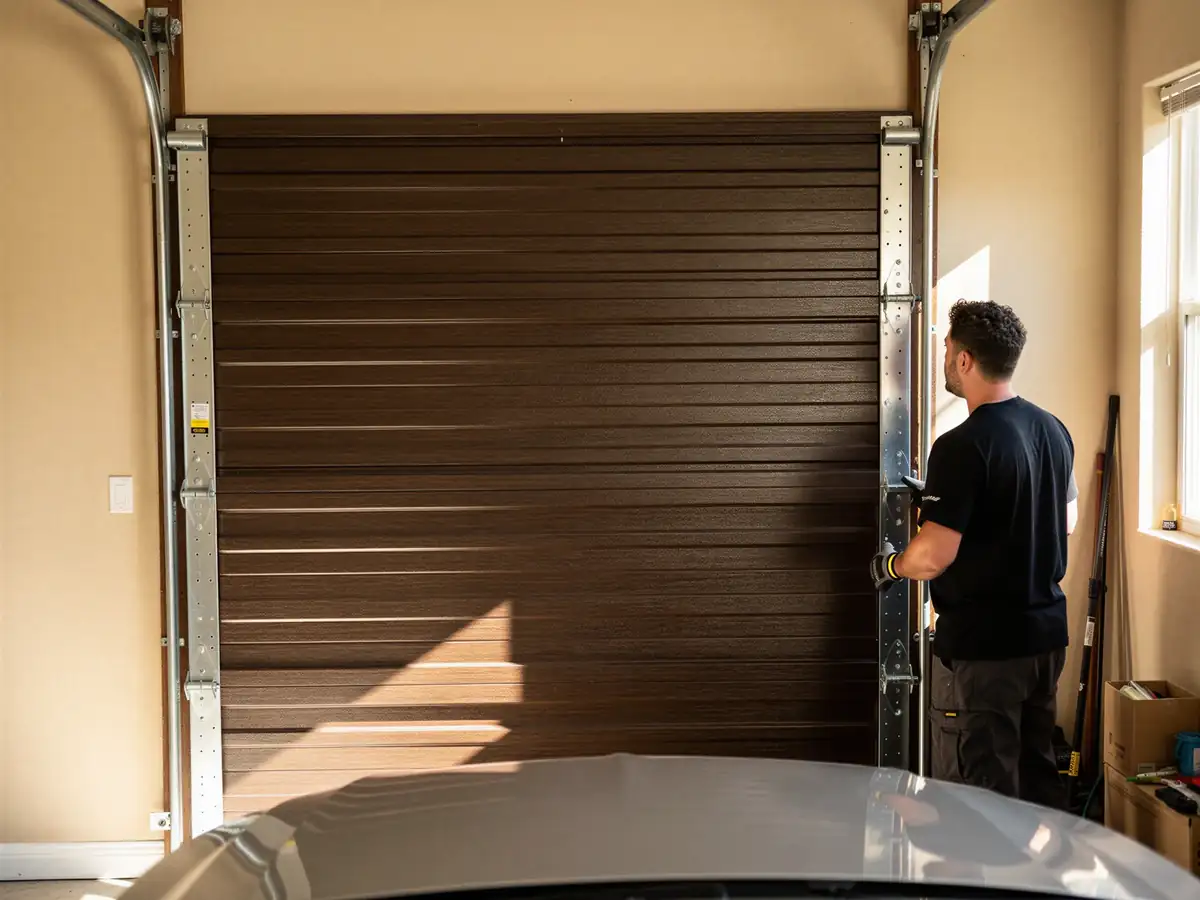
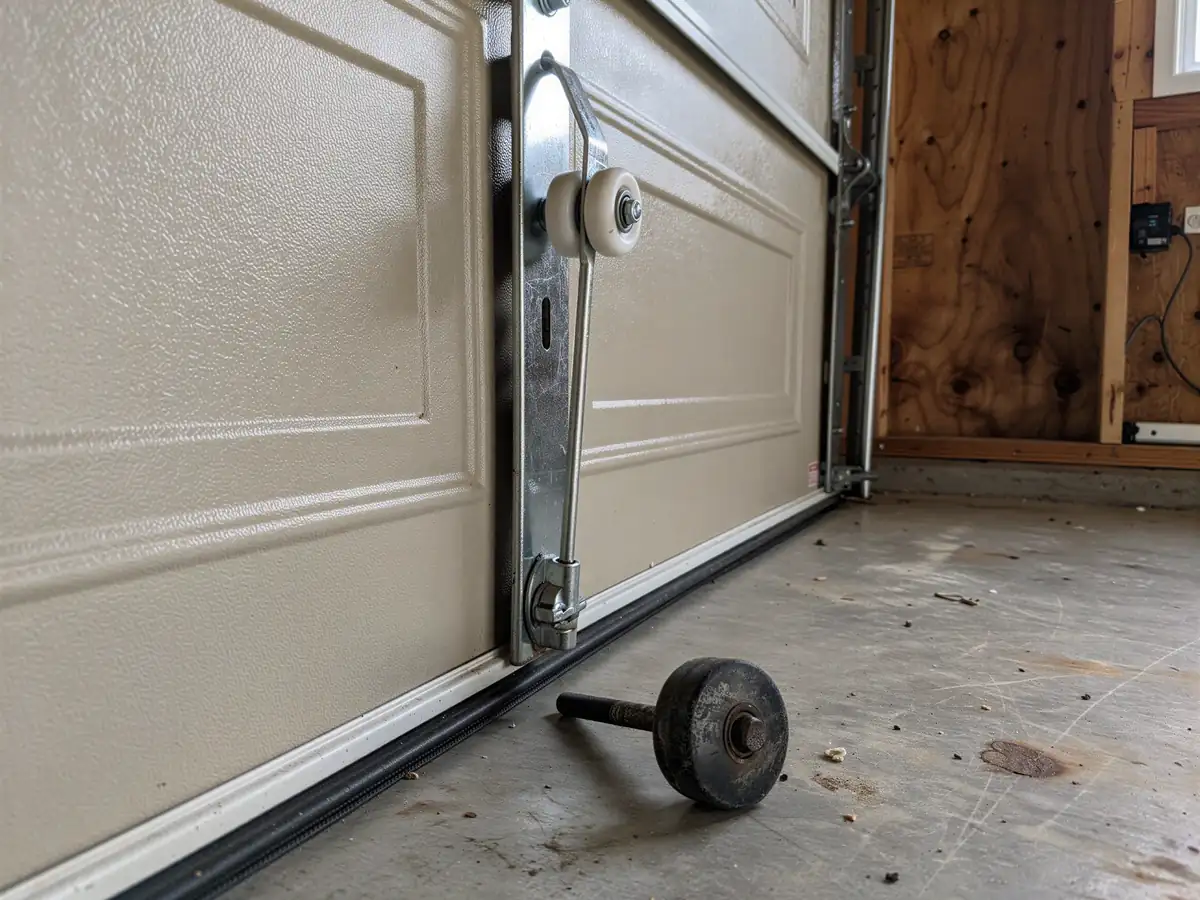
In a village built mostly around 1960, the emergency call we get most is a torsion spring finally giving out after years of slow fatigue, often on a door that's otherwise been well maintained because the houses here tend to be well kept. Second most common is a cable that's frayed through on an old drum system nobody's replaced since the house was built. Less common, but it happens: an opener from a later decade bolted onto original track that's slightly out of square, which throws the door off its rollers under stress. None of these are specific to any one house, but all of them trace back to the same root cause, which is hardware that's older than most of the people living under it. If the repair cost starts to approach what a new door and opener would run, we'll tell you that plainly instead of patching a door that's going to call us again in six months.