What You Pay
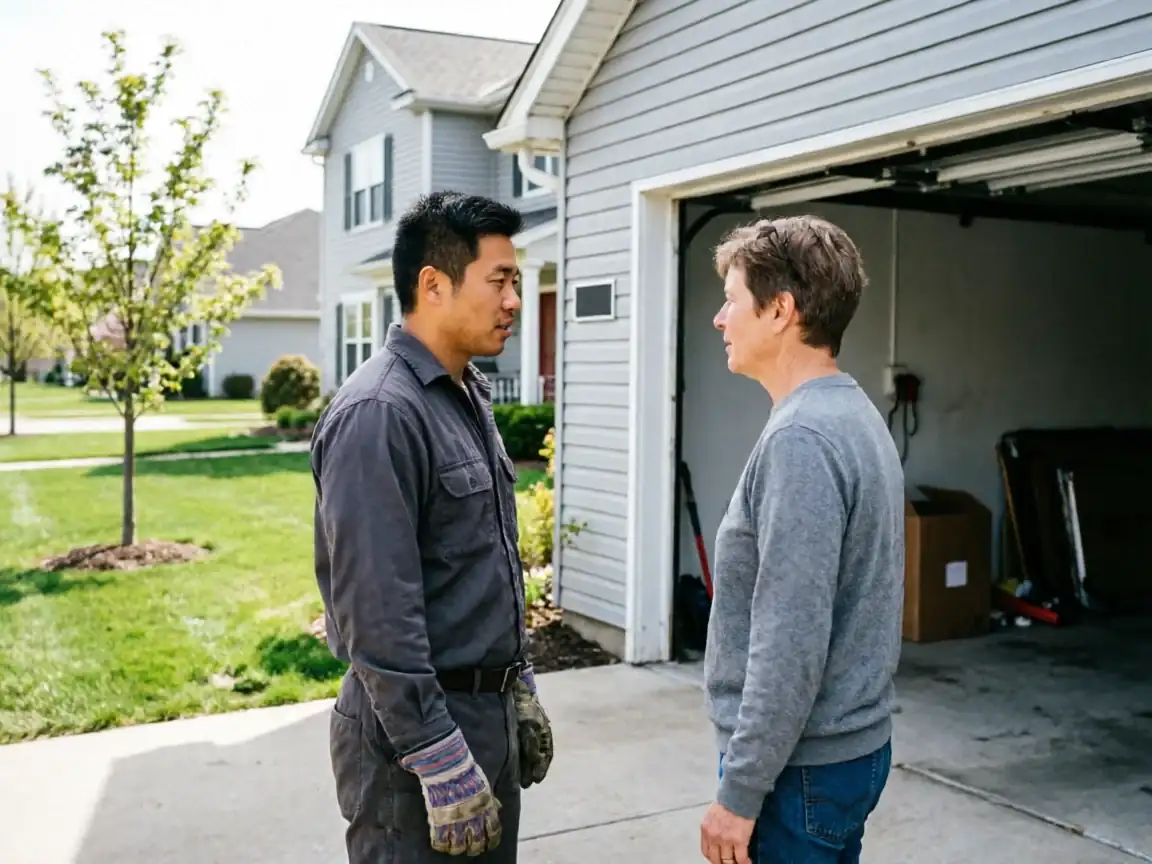
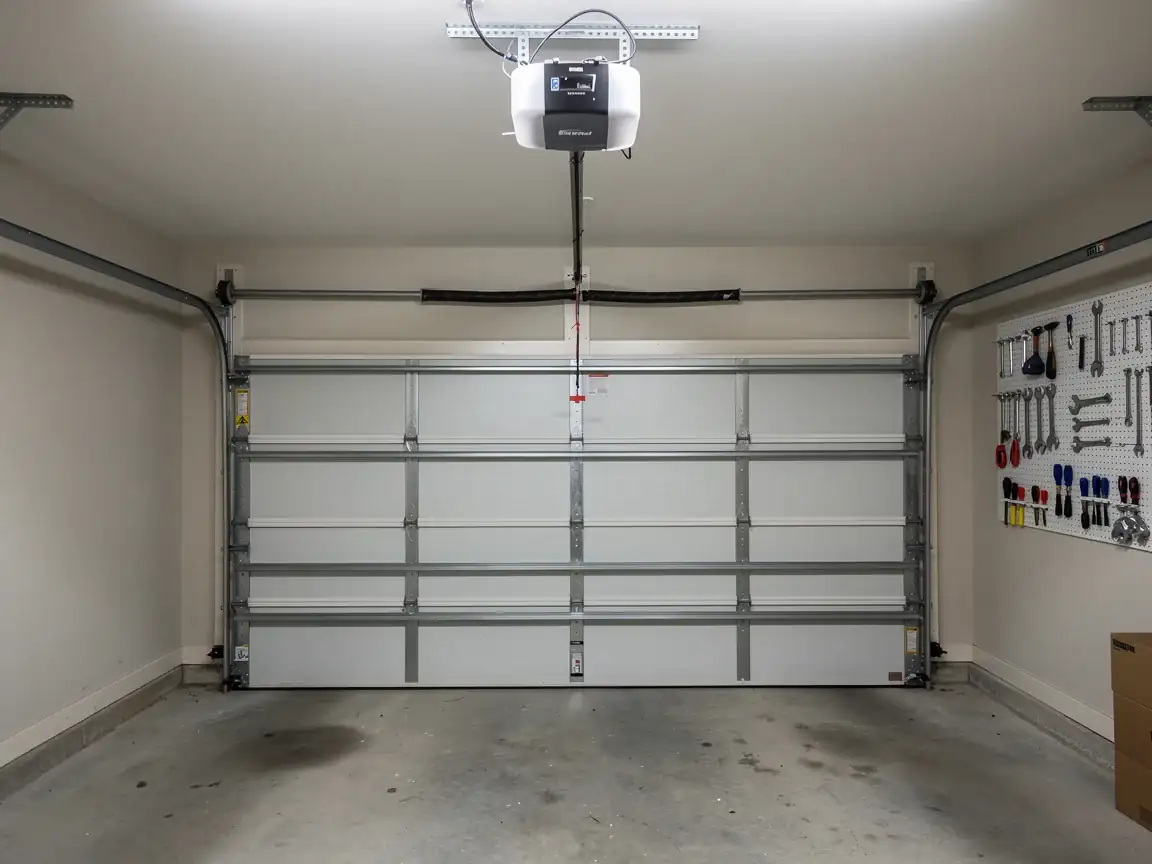
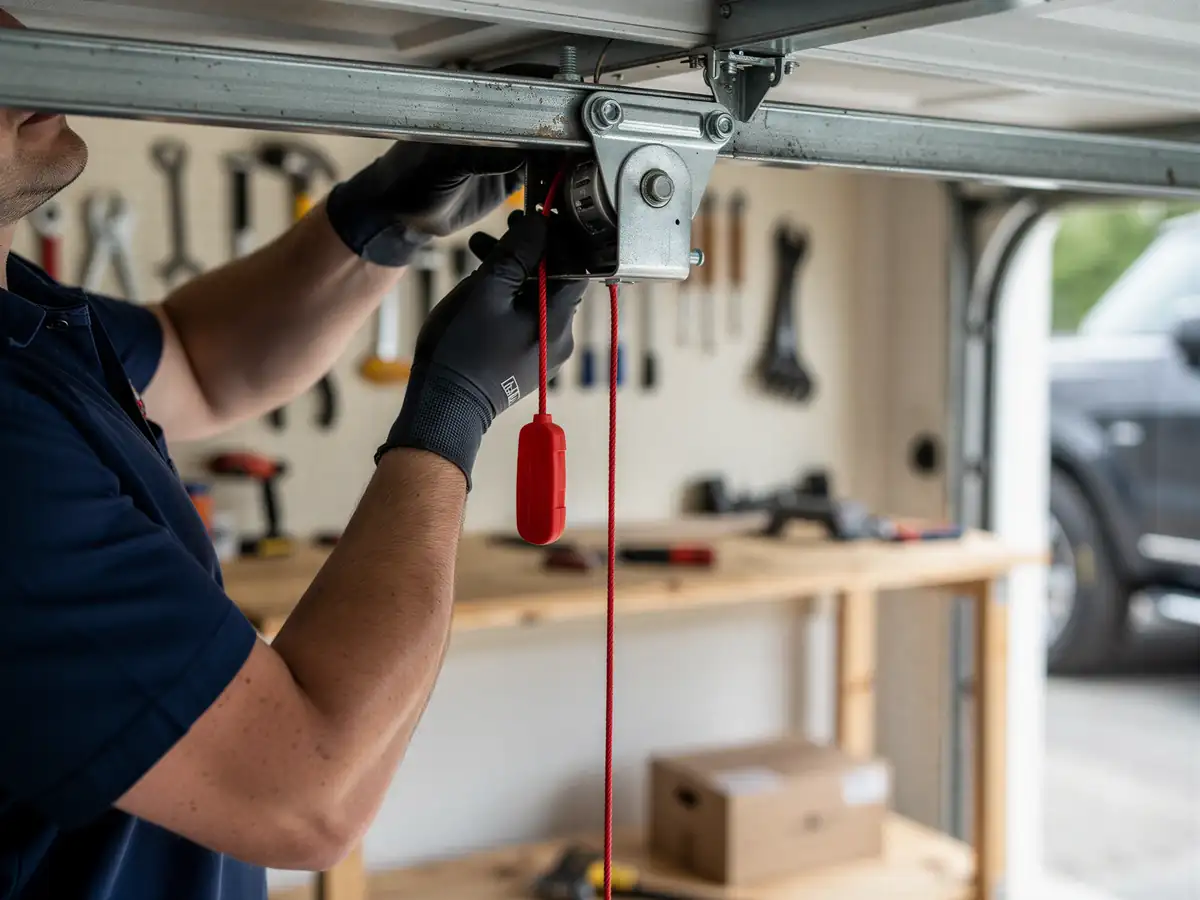
We don't post a flat number here because what an opener job costs depends on what's actually wrong and what's on the garage already - a logic board swap is a different job than a full unit replacement. What we can tell you is what the housing stock tells us: Beverly Hills' homes mostly went up around 1960, a full decade before the broader service area's median build year of 1973. That matters because a lot of these garages have been through two or three openers already, and what's on the wall now is rarely original. Some still have a chain-drive unit from the 80s or 90s bolted to framing that was never meant for anything heavier. That changes the quote - sometimes the bracket and header need work before the opener does. Beverly Hills also runs well above the wider area's income line, at a median household income of $175,460 against $102,333 across the territory, and we see that reflected in what people ask for: belt-drive replacements with battery backup and smart controls, not the cheapest chain unit on the shelf. We'll tell you straight if a repair is worth it or if the unit's old enough that sinking money into a dying board doesn't make sense.
Doing It Yourself
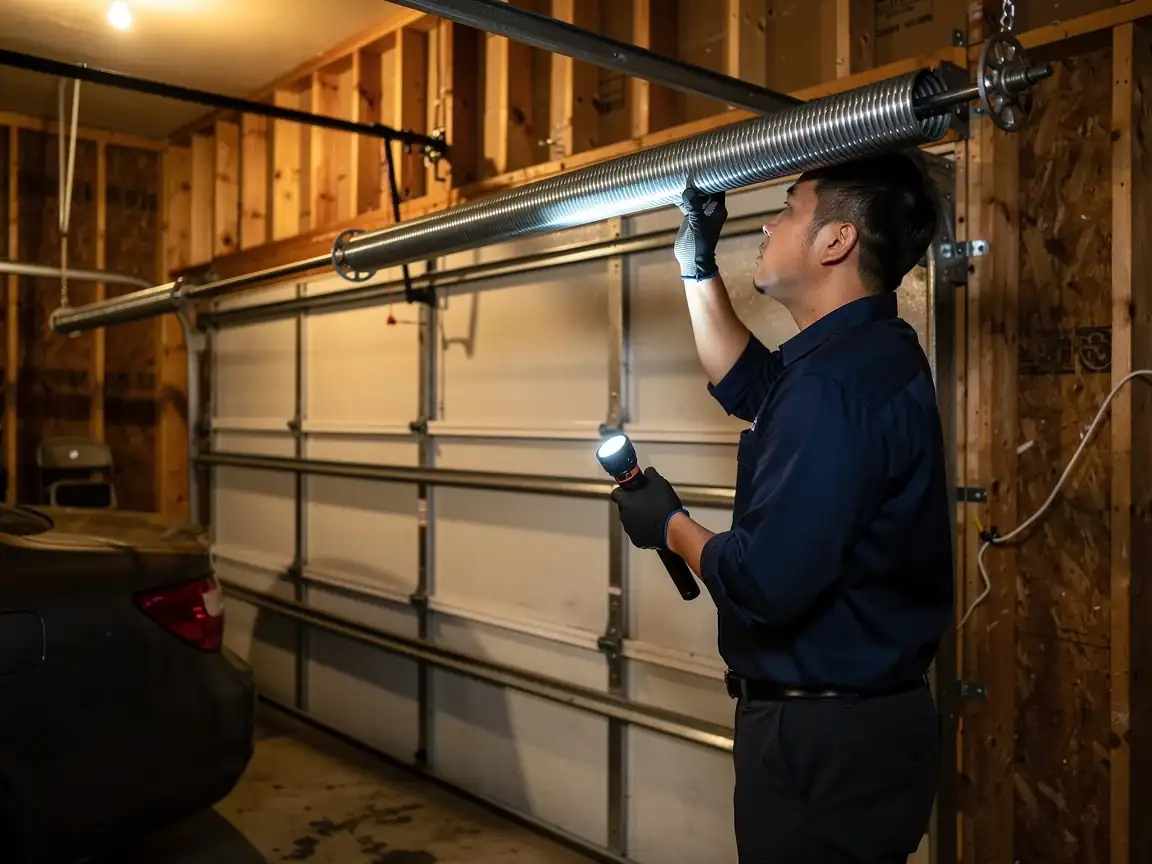
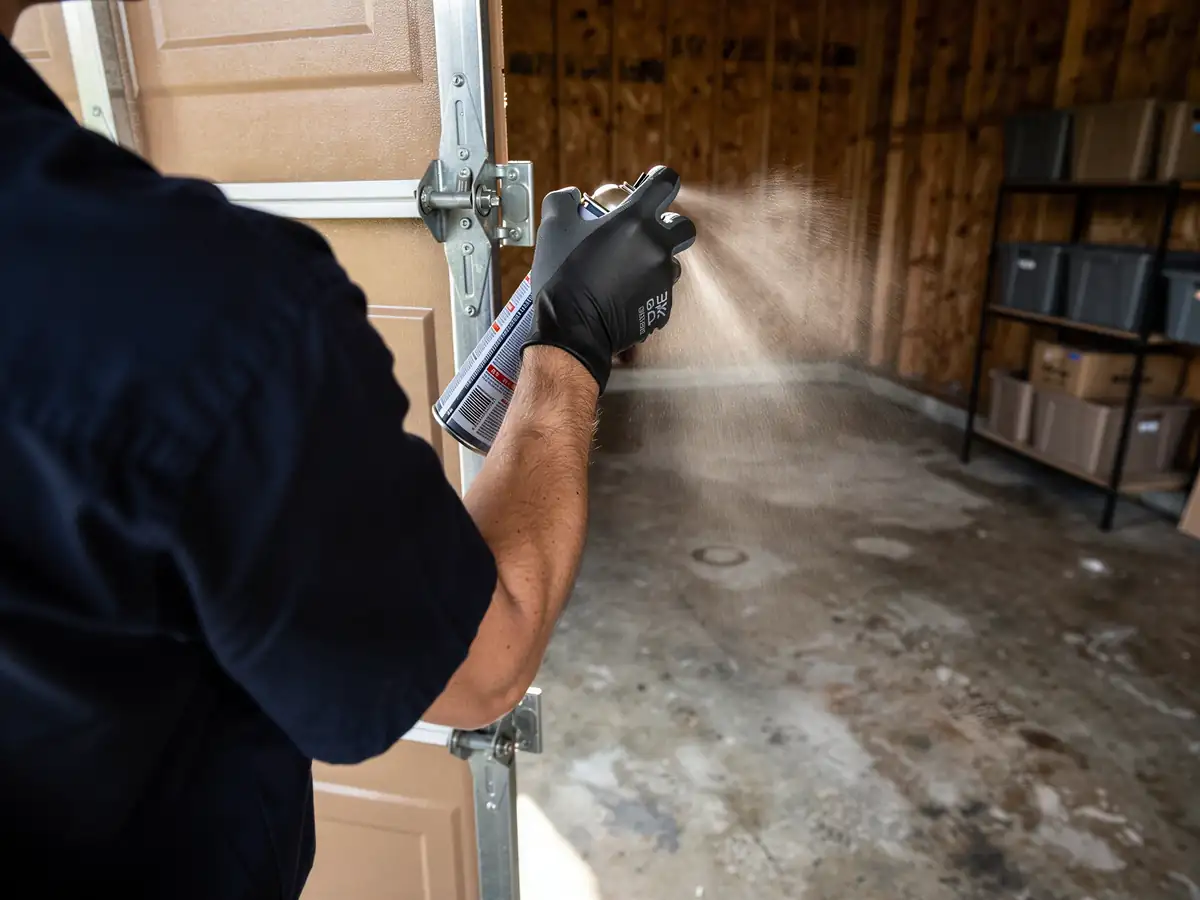
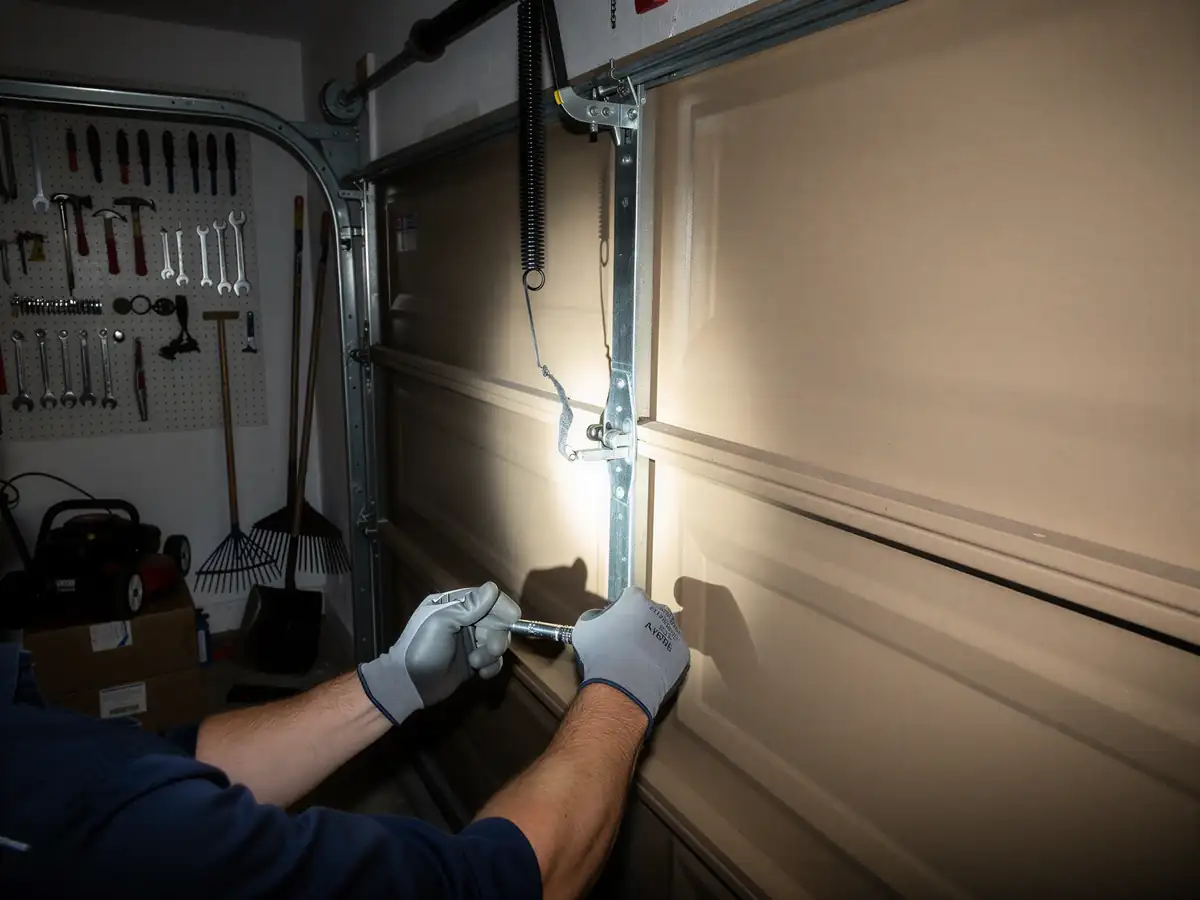
Swapping a remote battery or reprogramming a keypad is a reasonable weekend job and most owners handle it fine. Where DIY gets risky is inside the opener head itself - the capacitor, the logic board, the drive gear - especially on units old enough that they predate current safety-sensor standards. If your garage is one of the roughly 4,043 households in Beverly Hills with a unit that's never been touched since it was installed, don't assume the photo-eye sensors are wired the way a newer code expects. We won't pretend every job needs a pro: lubricating the chain, tightening a loose rail bracket, or replacing worn weatherstripping on the opener's travel limit is all within reach for a handy owner. What we don't recommend touching yourself is anything involving the torsion spring the opener pulls against - that's not an opener problem, it's a spring under load, and it's not where you want to learn on the job. If you're unsure which side of that line your repair falls on, a quick look from someone who does this daily beats a guess.
How It Shows Up
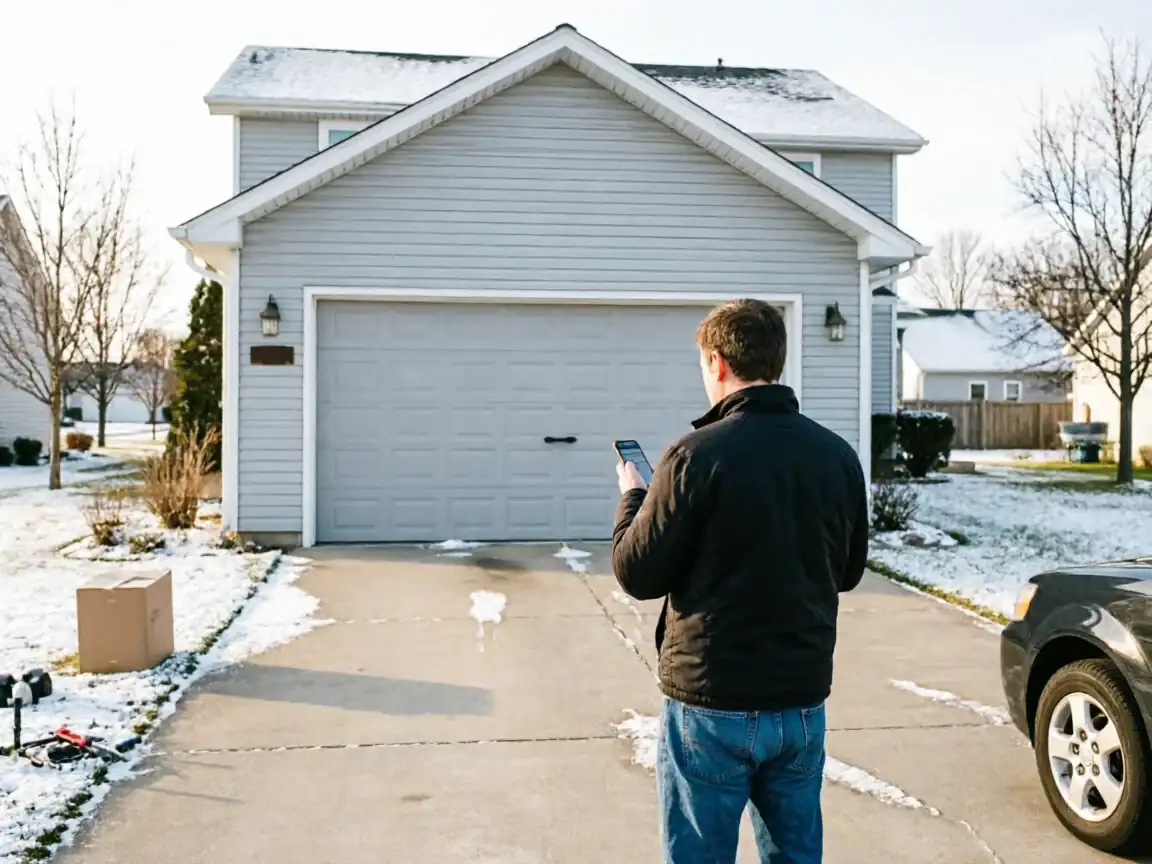
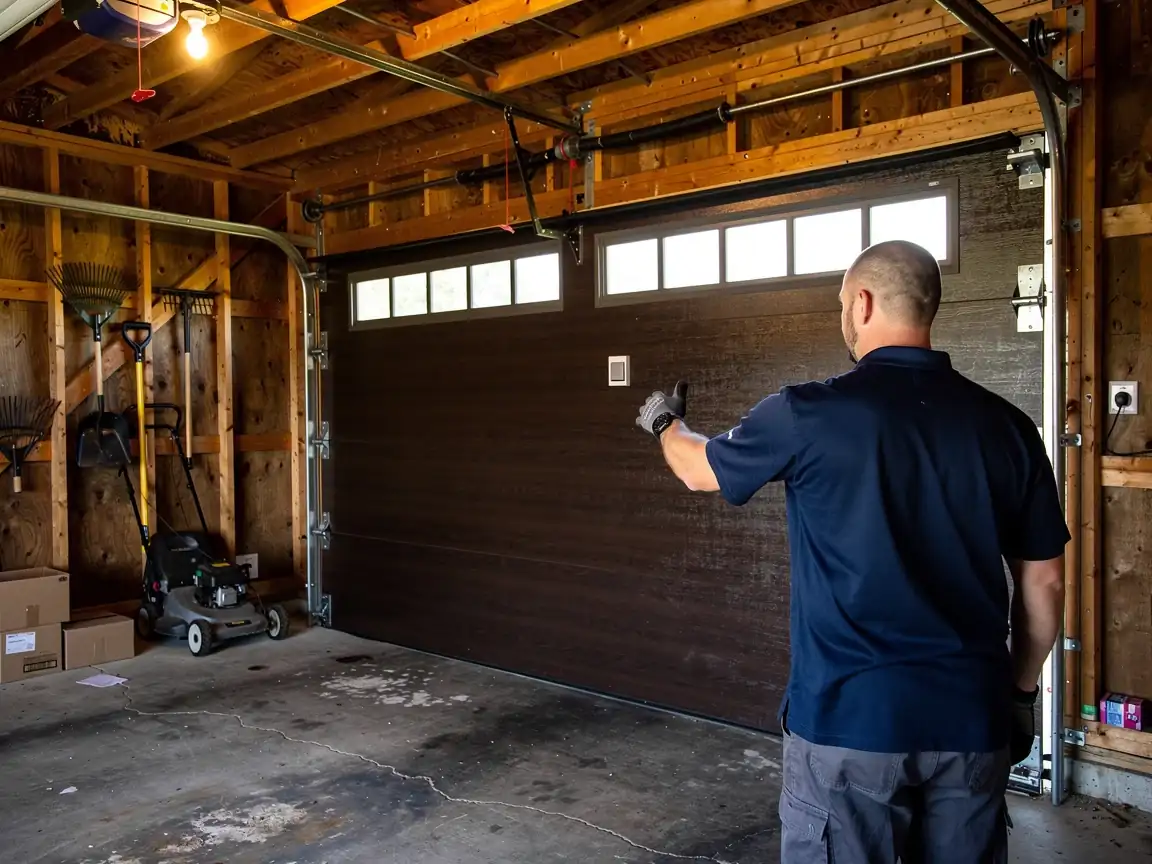
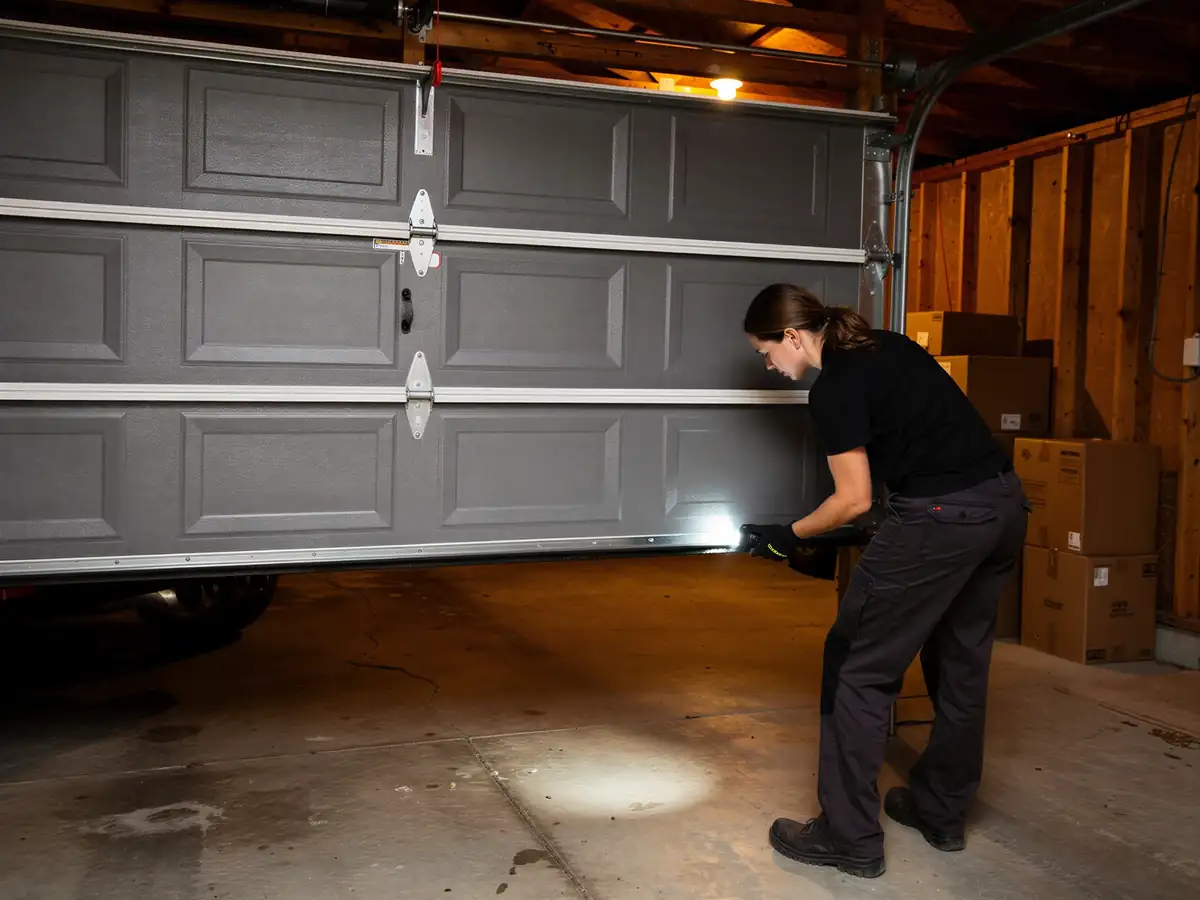
On a house built around 1960, the opener failing rarely looks like total silence. More often it's a motor that hums but the door doesn't move - a sign the drive gear's stripped, which is common on chain units that have been running since before the belt-drive era caught on. Sometimes it's the remote working intermittently from the driveway but not the street, which points to a weak receiver board rather than a dead remote. We also see openers that reverse the door halfway up for no clear reason - on an older unit without modern sensor wiring, that's frequently a sensor alignment issue rather than anything electrical. Given how much higher Beverly Hills runs on household income compared to the rest of the territory, we also get more calls about smart-opener integration failing after a home network change, which is a newer kind of problem the 1960s garages never had to deal with. Whatever the symptom, we start by figuring out whether it's the opener, the door, or the wiring between them - not every noisy opener needs replacing.