What You Pay
The drive to Beverly Hills runs about 15 miles from our Waterford shop, and that trip shapes how a panel job here actually works: we quote the repair before we load the truck, because a wasted trip on a mismatched panel order costs everyone time. Most homes in this part of Beverly Hills went up around 1960, which means doors with panel profiles and section heights that newer steel lines don't always match off the shelf. If your door is from that era and the manufacturer stamp is worn off or gone, we may need to order a panel instead of pulling one from stock, and that adds days, not hours. Beverly Hills carries a median household income of $175,460, well above the wider service area average, and we've found that homeowners here are more likely to ask for a full-panel match across the whole door rather than a single replaced section that reads differently in the sun. We'll give you both options and the real price difference between them before you commit to either one. We don't pad the estimate with return-trip costs we can avoid by getting the order right the first time.
Doing It Yourself
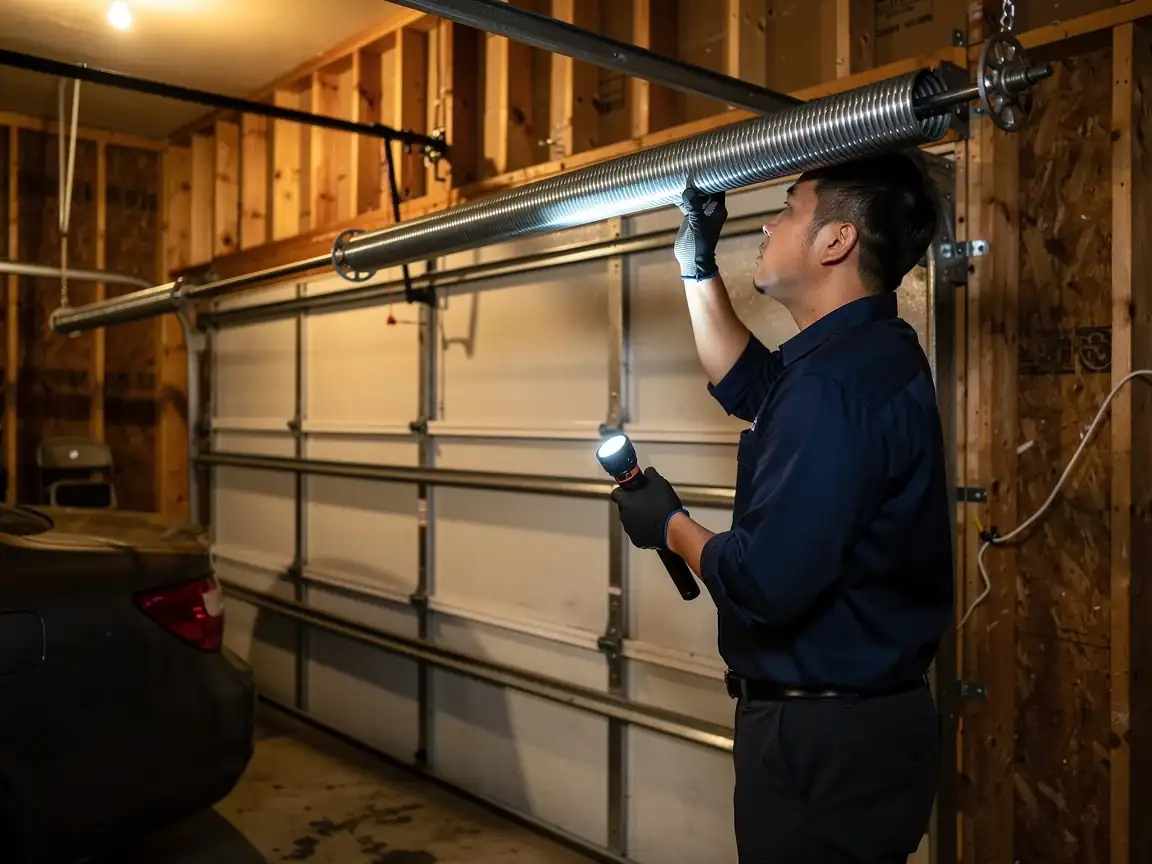
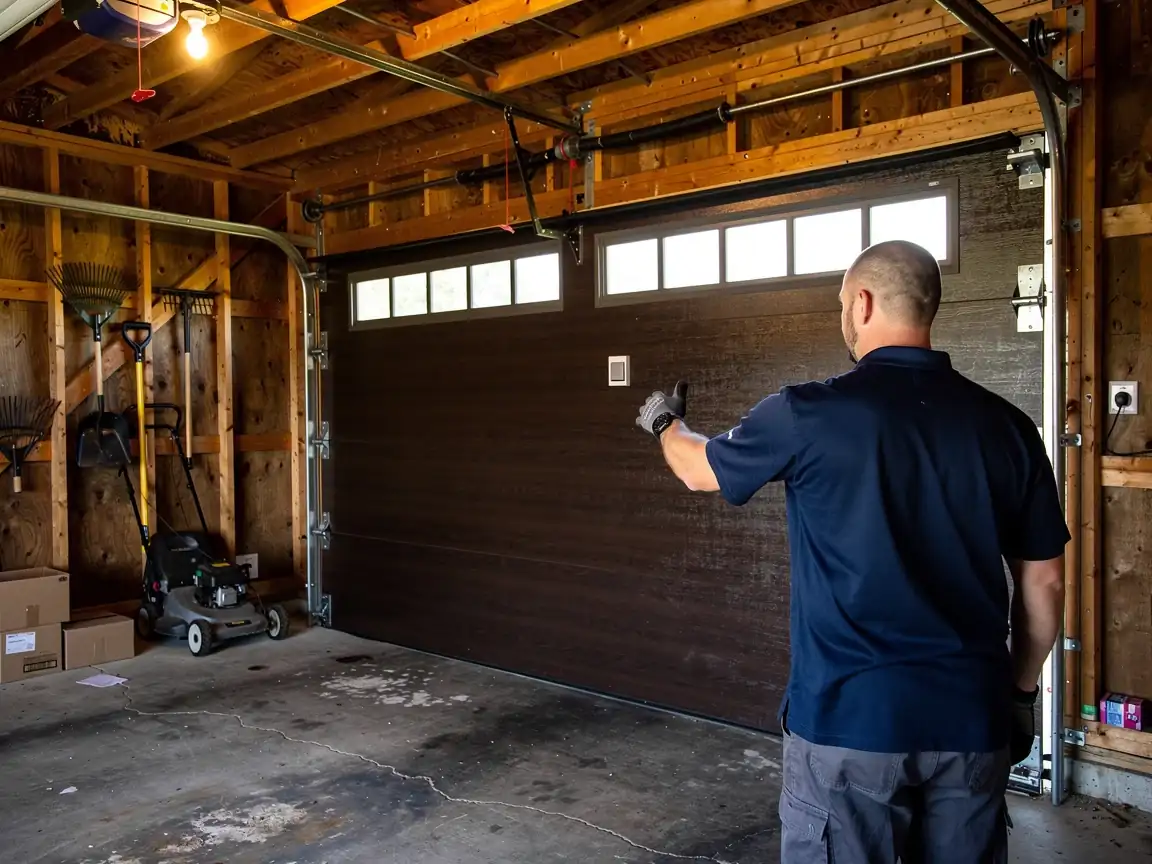
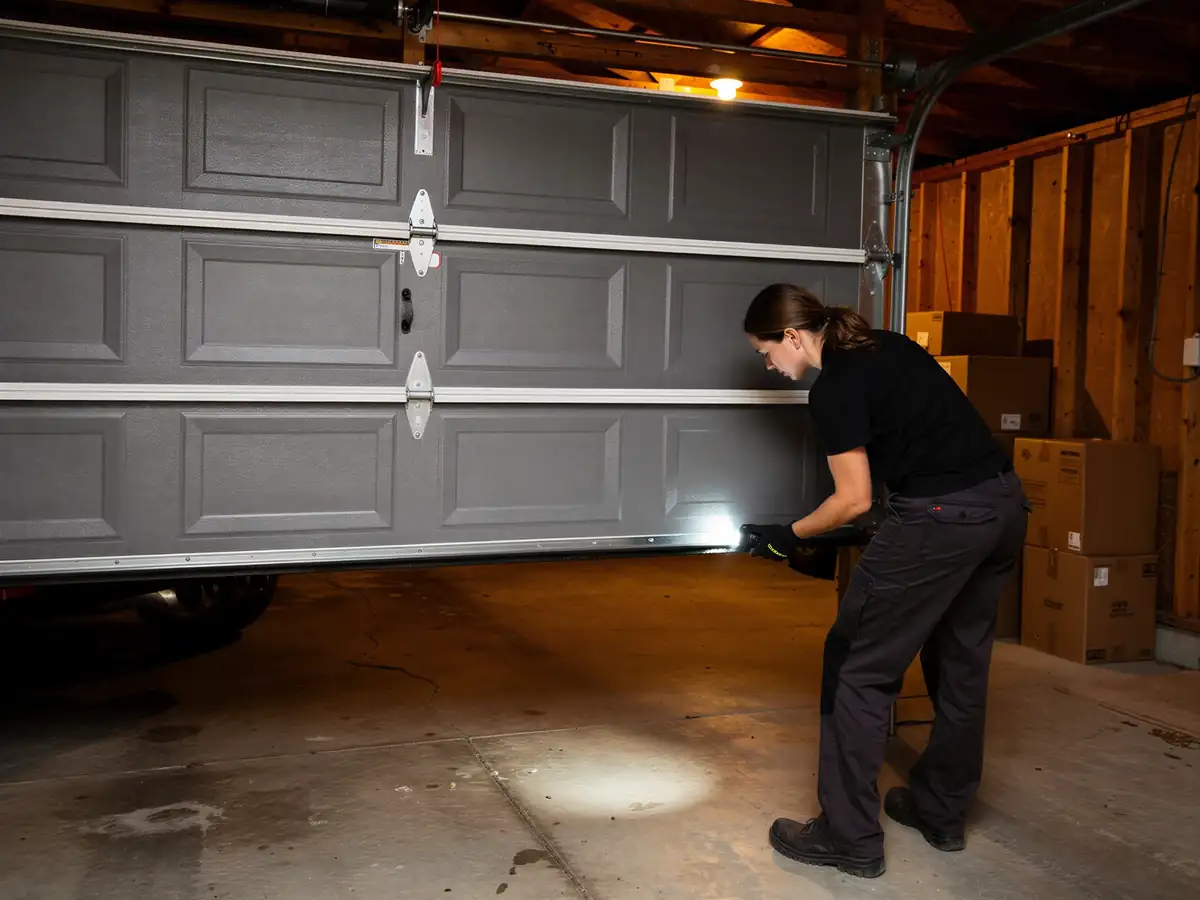
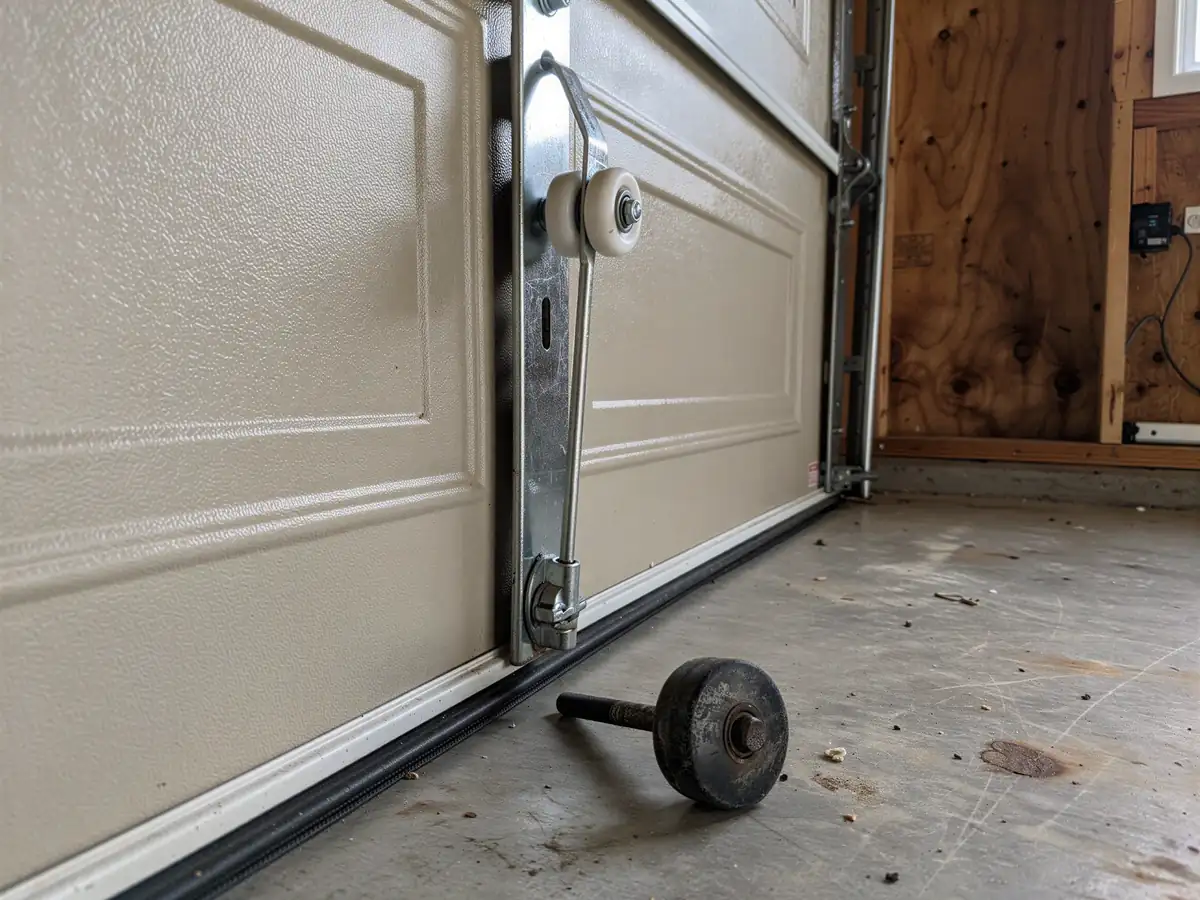
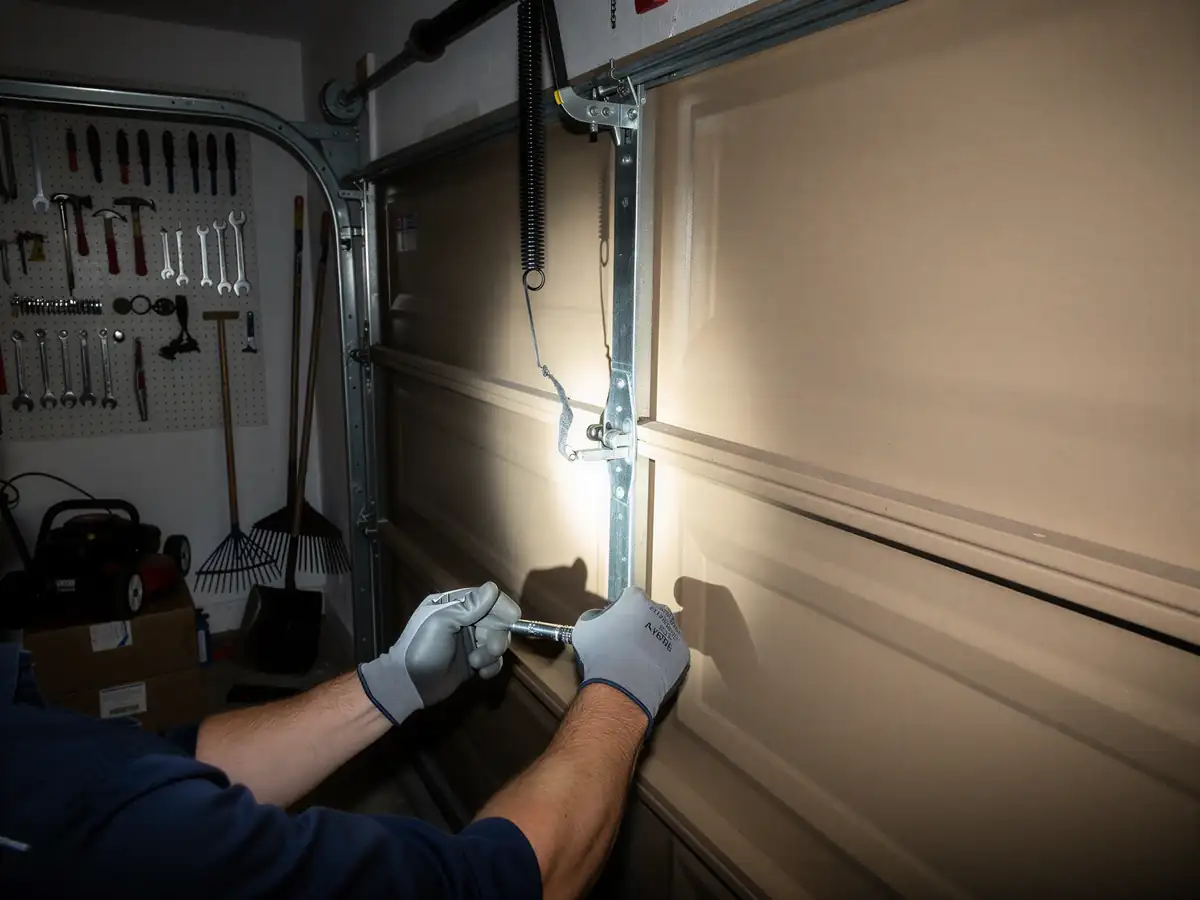
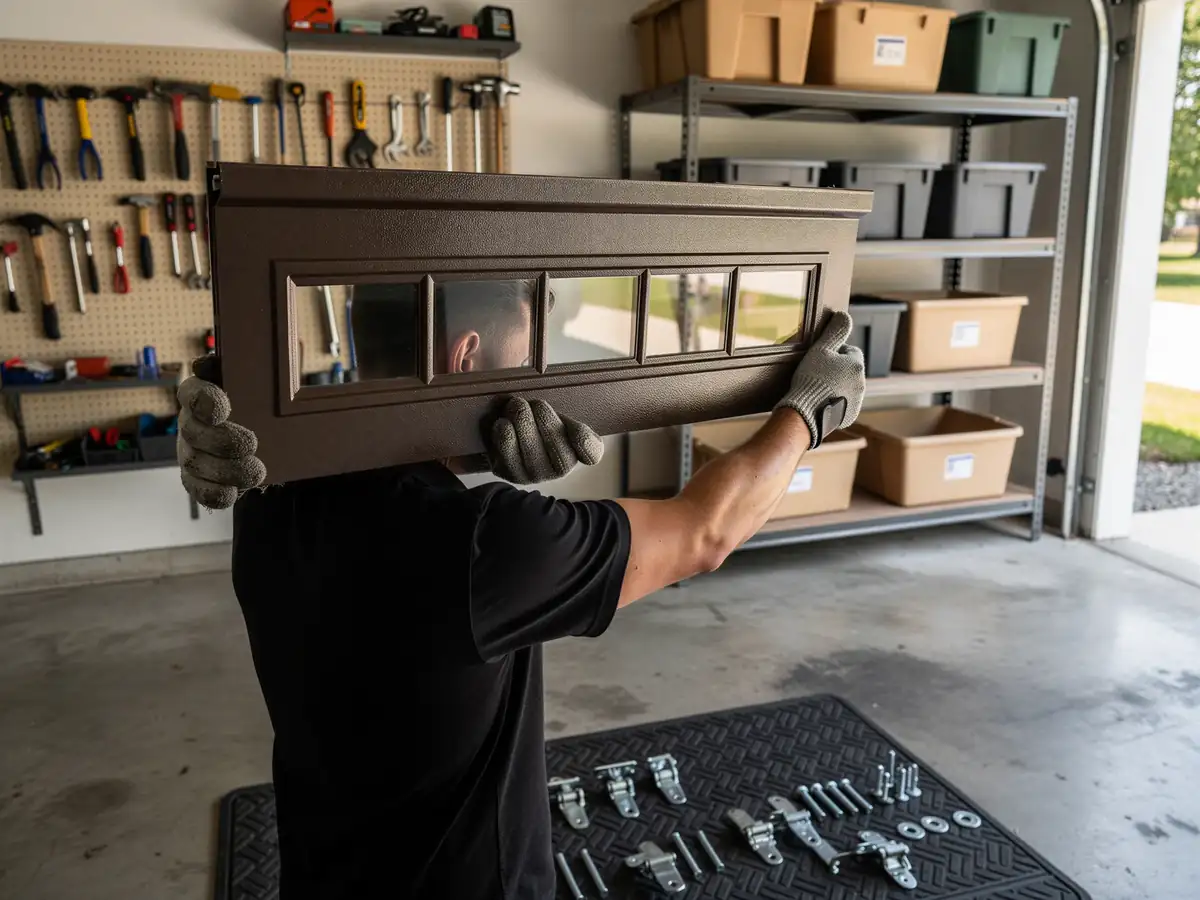
A single dented panel on a sectional door looks like a bolt-off, bolt-on job, and on paper it is. In practice, doors built around 1960 often have thinner steel and hinge spacing that doesn't line up with current retail panel kits, so a DIY panel bought online can arrive the wrong gauge or the wrong width by a quarter inch, which is enough to bind the rollers. We're honest about this: if your panel is a standard modern size, doing it yourself and just calling us to true up the track afterward is a reasonable plan and we won't talk you out of it. Where we draw the line is on insulated panels and anything near the bottom section, where the cable drums and sometimes the opener bracket tie into the same hardware. Pull the wrong bolt there and the door can drop. If you're not sure which panel you're dealing with, send us a photo of the section and the hinge before you order anything. That alone saves most people from buying the wrong part twice.
How It Shows Up
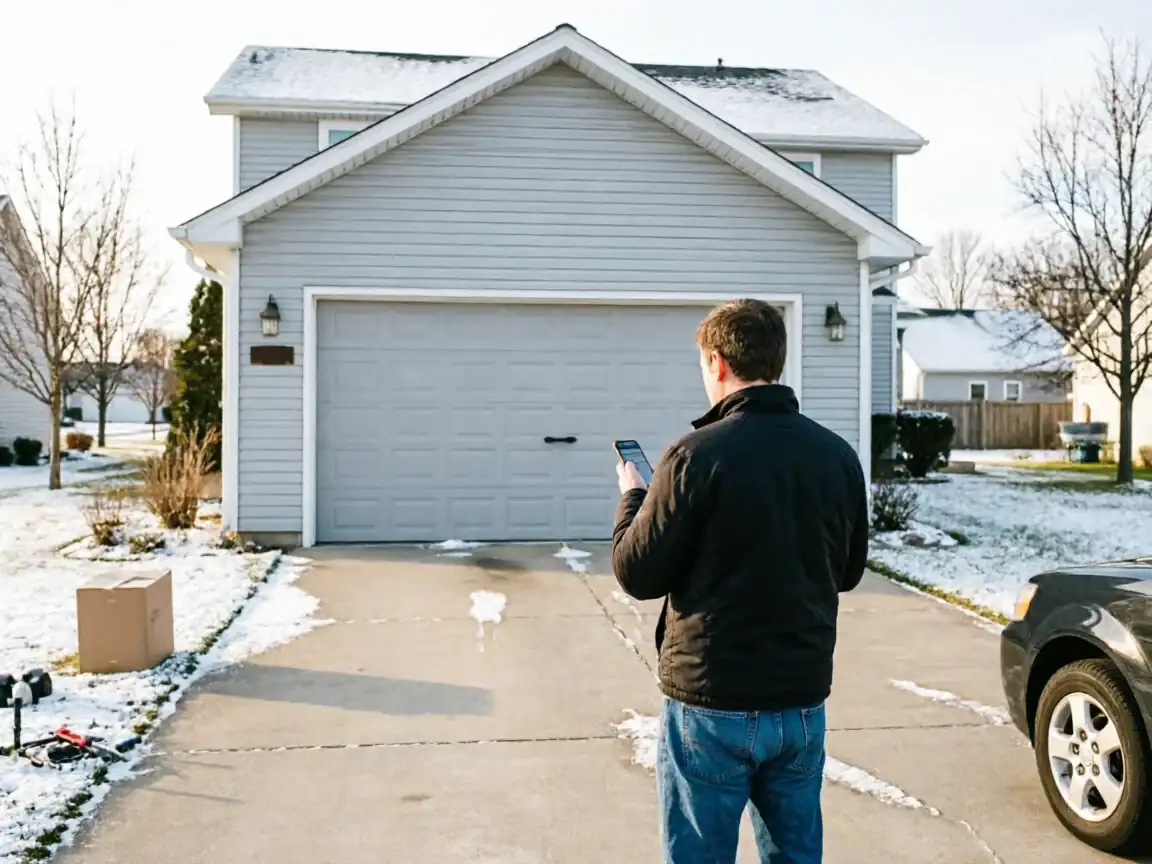
Beverly Hills sits in a cold-climate band with hard winters, and that matters more for panels than people expect. Steel panels from the early 1960s don't have the thermal break that current insulated doors use, so they flex more in a hard freeze, and a dent that looked cosmetic in summer can crack the seam once the metal contracts. We see this most on the bottom two sections, where road salt and slush sit against the panel edge longer than anywhere else on the door. If a panel on a door this age is already rusted through at a seam, replacing just that section usually isn't worth it financially once you add the special-order cost against swapping the whole door - we'll tell you straight when you're past that line instead of selling you a patch. With roughly 4,043 households in Beverly Hills and a housing stock clustered in that same build era, this is a pattern we expect to keep seeing here, not a one-off.