What You Pay
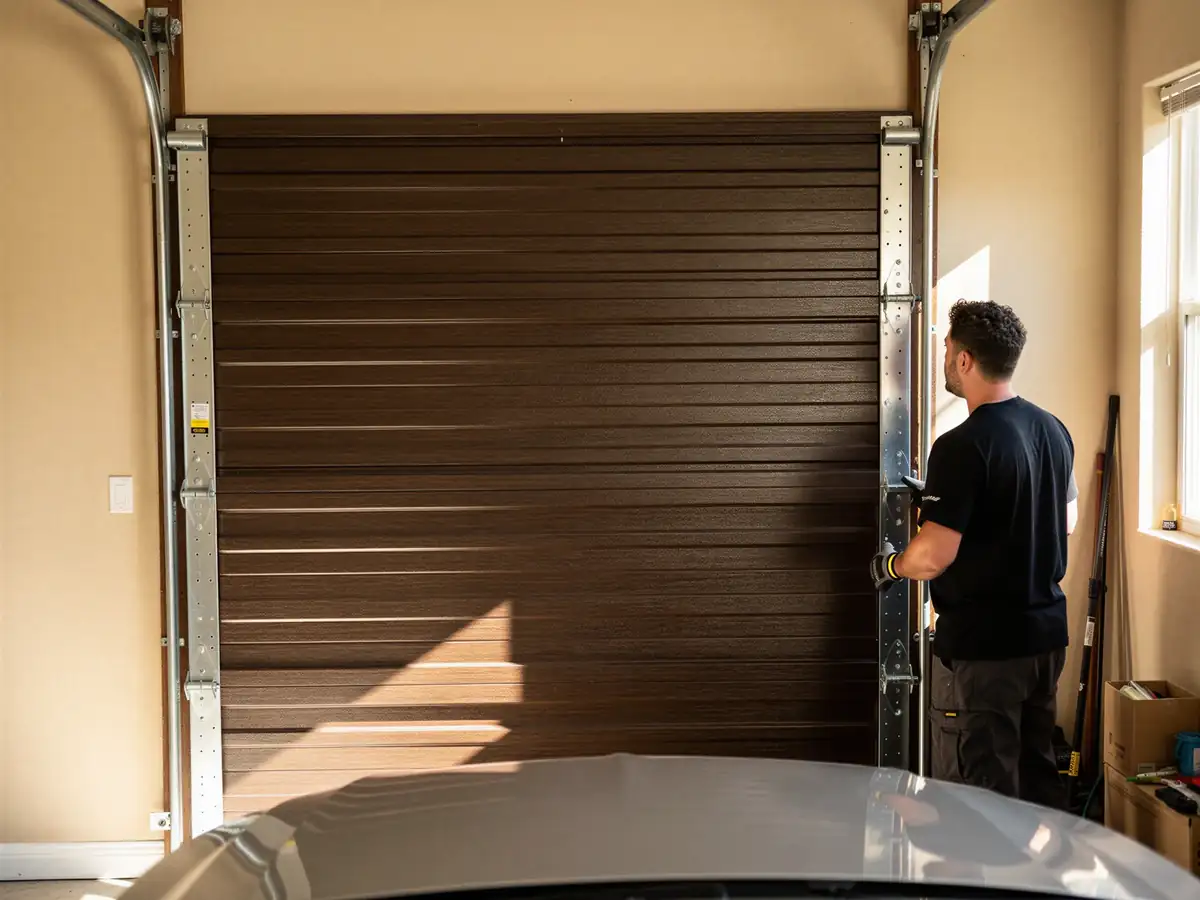
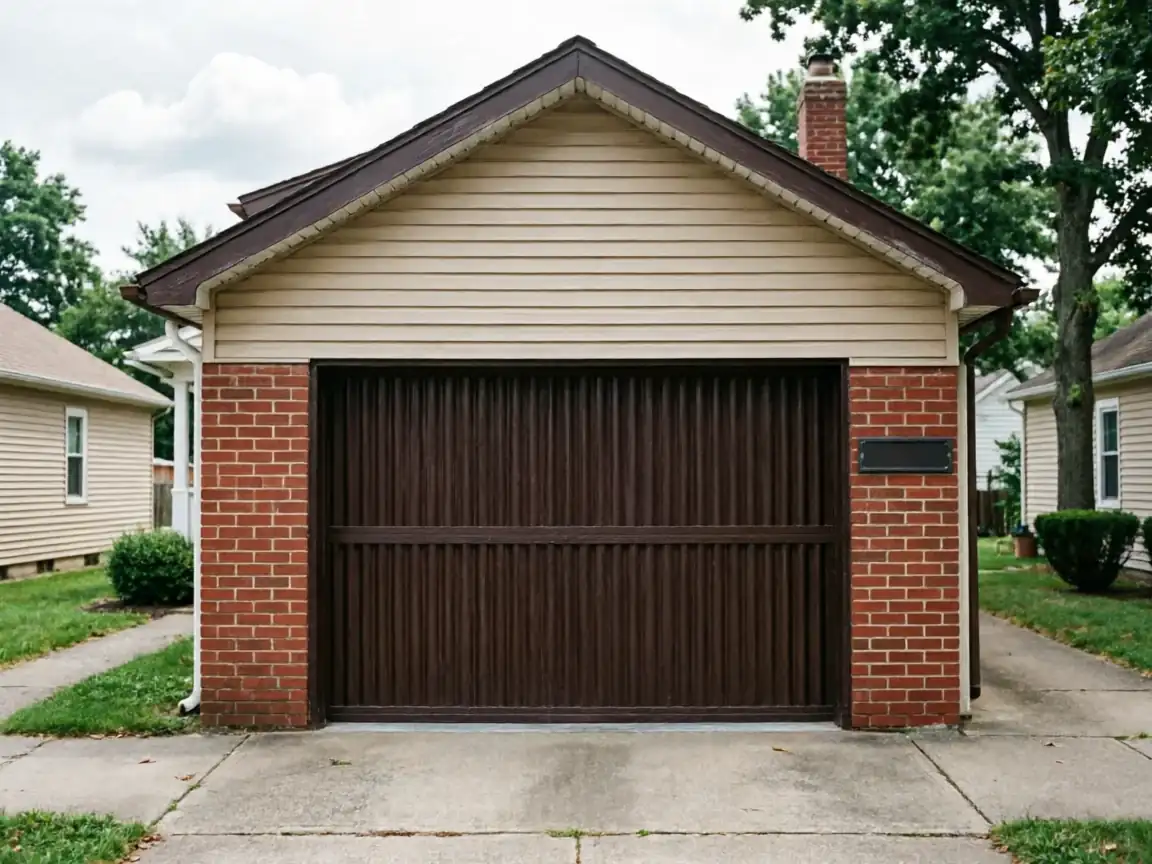
Beverly Hills sits about 15 miles from our Waterford shop, and that drive is part of any quote we give you here. What isn't part of the quote is guesswork about what's behind your door panel. The typical Beverly Hills house went up around 1960, which puts it ahead of the broader service area's median build year of 1973. That decade-plus gap matters because it usually means heavier gauge steel doors, older extension spring setups instead of torsion, and hardware that predates a lot of the parts kept in stock on a standard truck. We price the job after we see what's actually mounted on the header, not before. With median household income here running well above the wider area average, we've found Beverly Hills owners are usually choosing full replacement over patch repairs when the original hardware is this old - but that's their call to make once they know both numbers.
Doing It Yourself
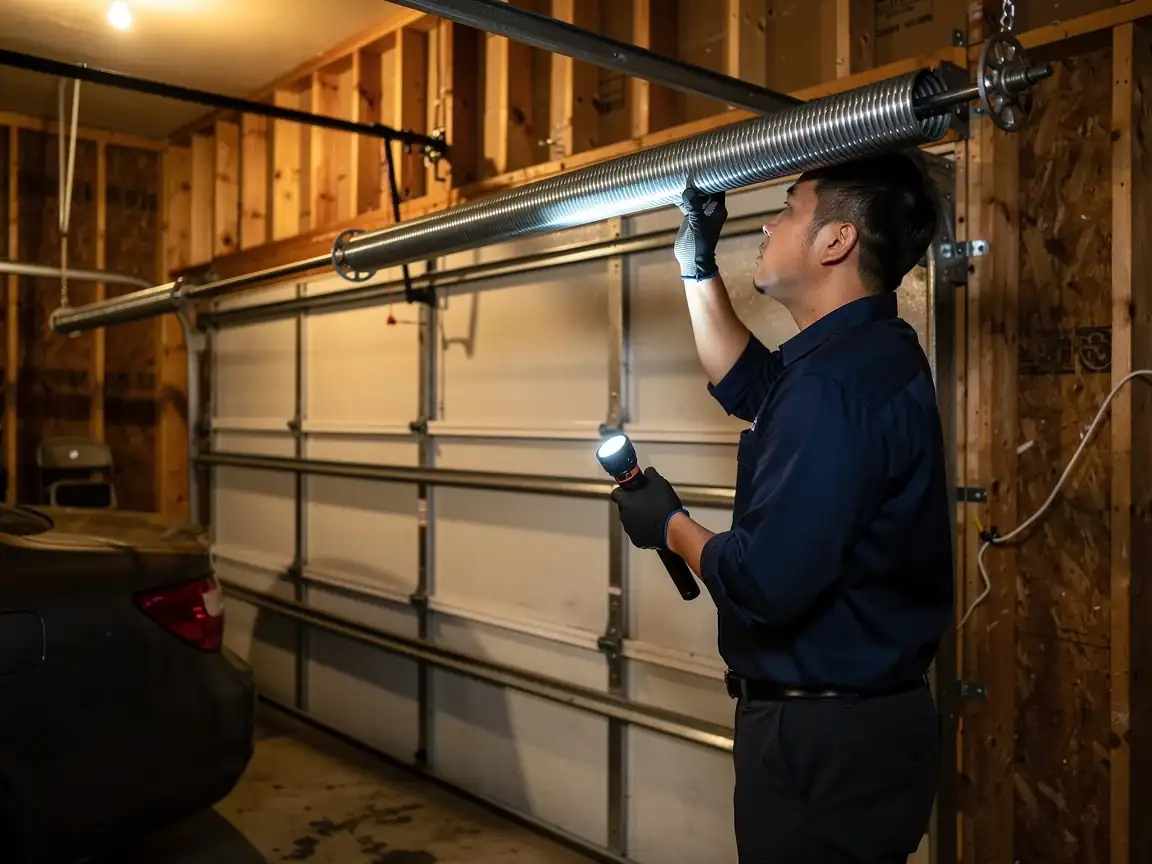
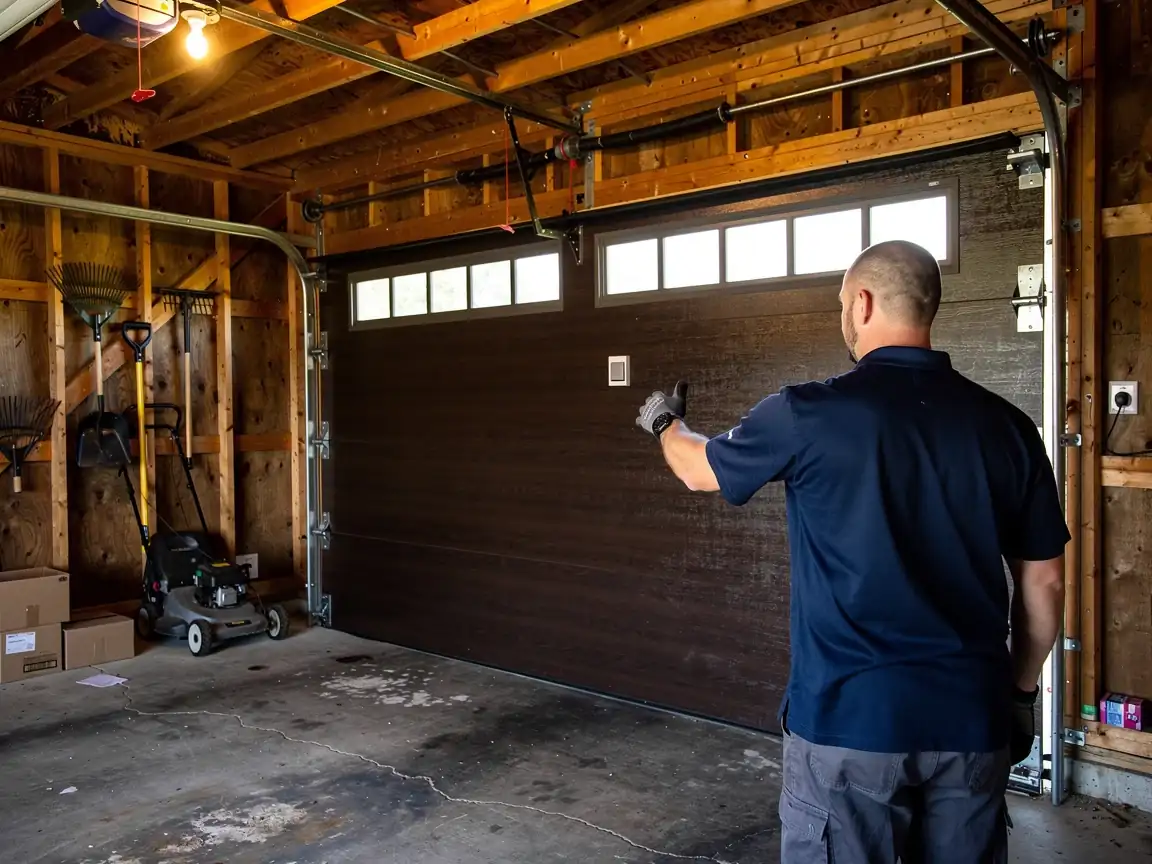
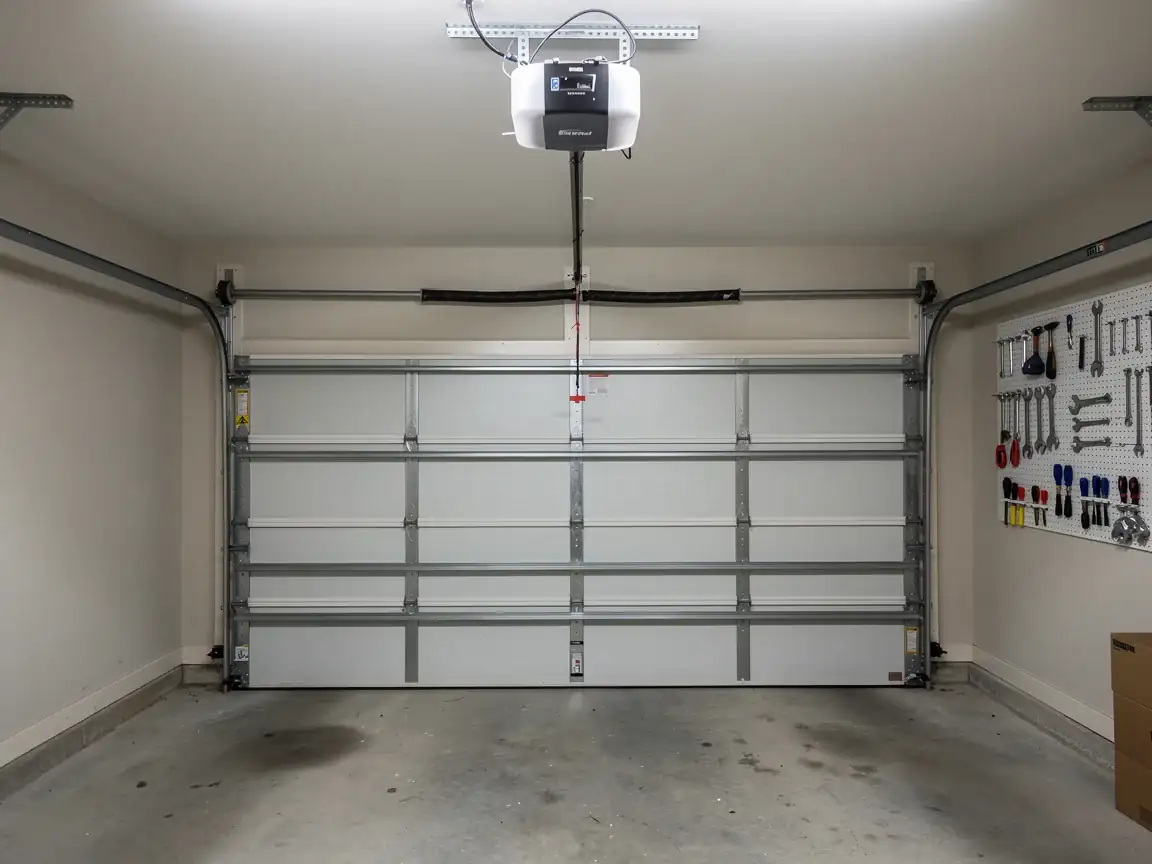
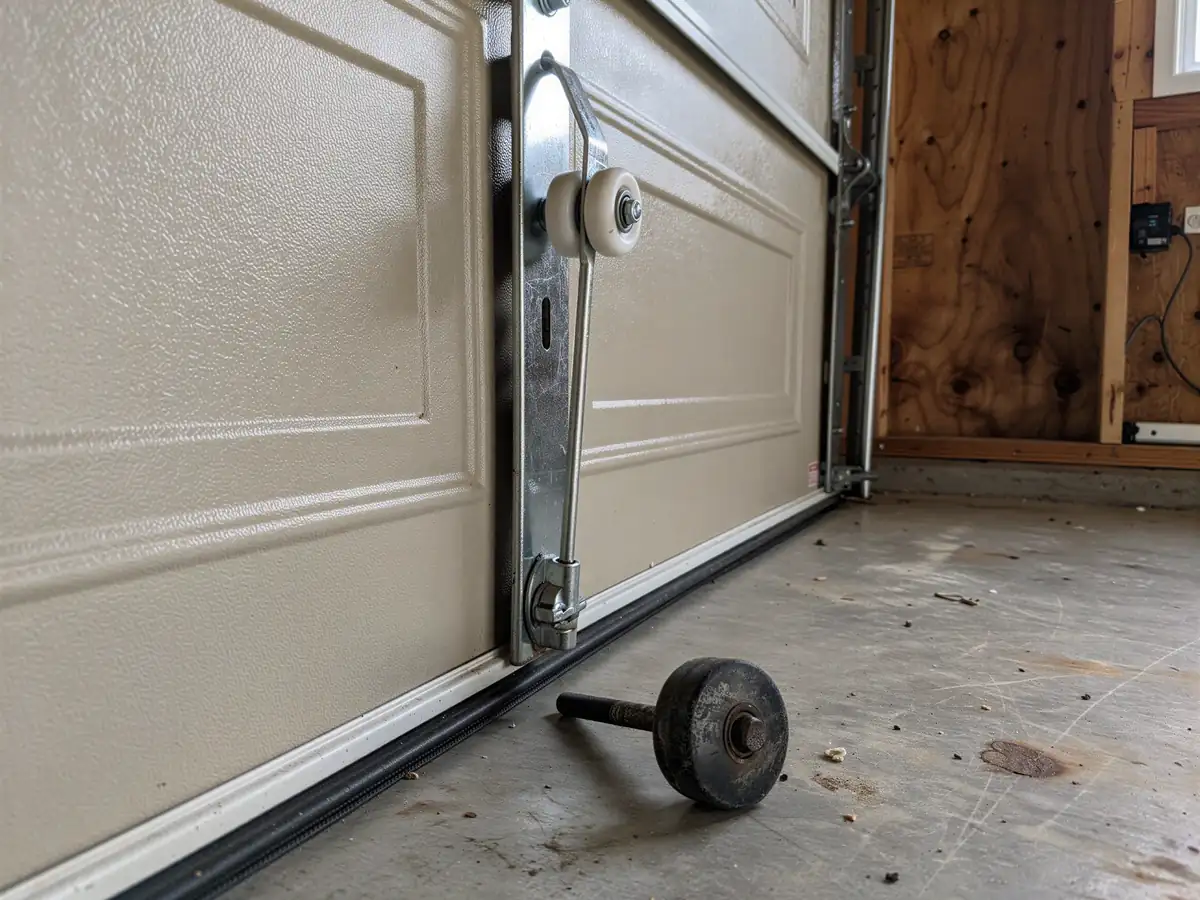
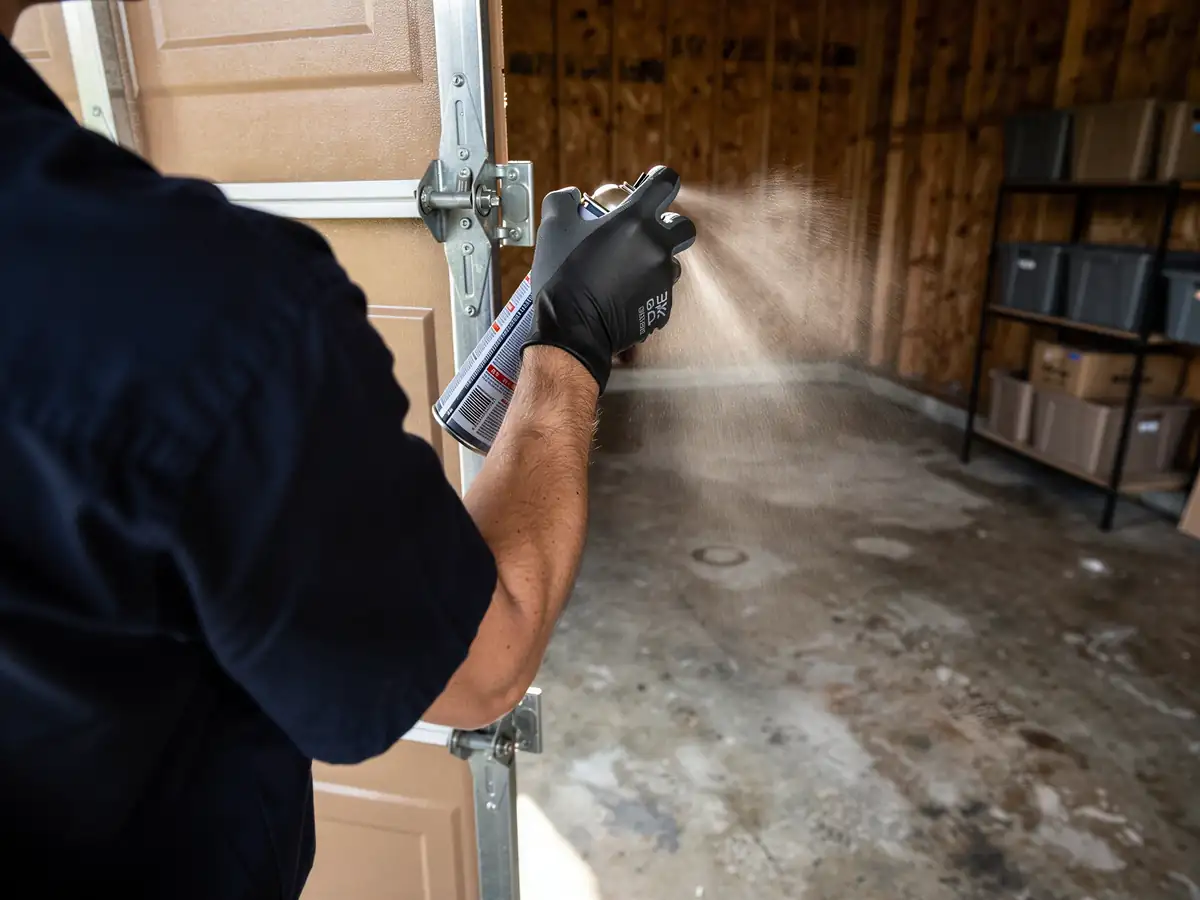
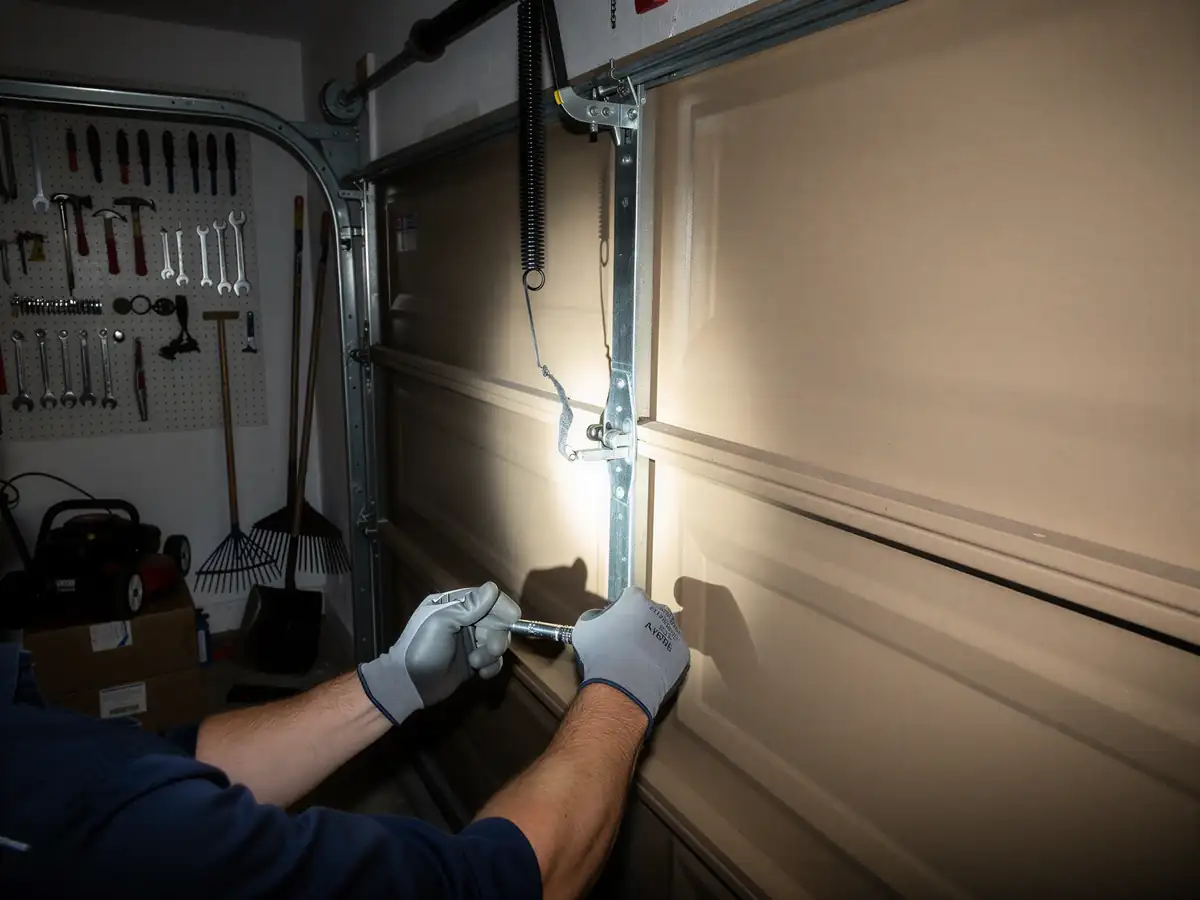
A door from around 1960 often runs on extension springs mounted along the horizontal tracks rather than a torsion bar over the opening. If yours is one of these, the safety cables that are supposed to run through the spring may or may not be there, since they weren't code-required on every installation from that era. Before you touch anything, look for those cables. If they're missing, don't wind or unwind anything yourself - a loaded extension spring without a containment cable has enough stored energy to cause a serious injury if it lets go. Lubricating rollers and checking for loose hinge bolts is reasonable DIY work regardless of age. Replacing springs on a door this old is not, and neither is swapping an opener bracket if you're not sure what's holding the rail up. We'd rather talk you through what's safe over the phone than have you find out the hard way.
How It Shows Up
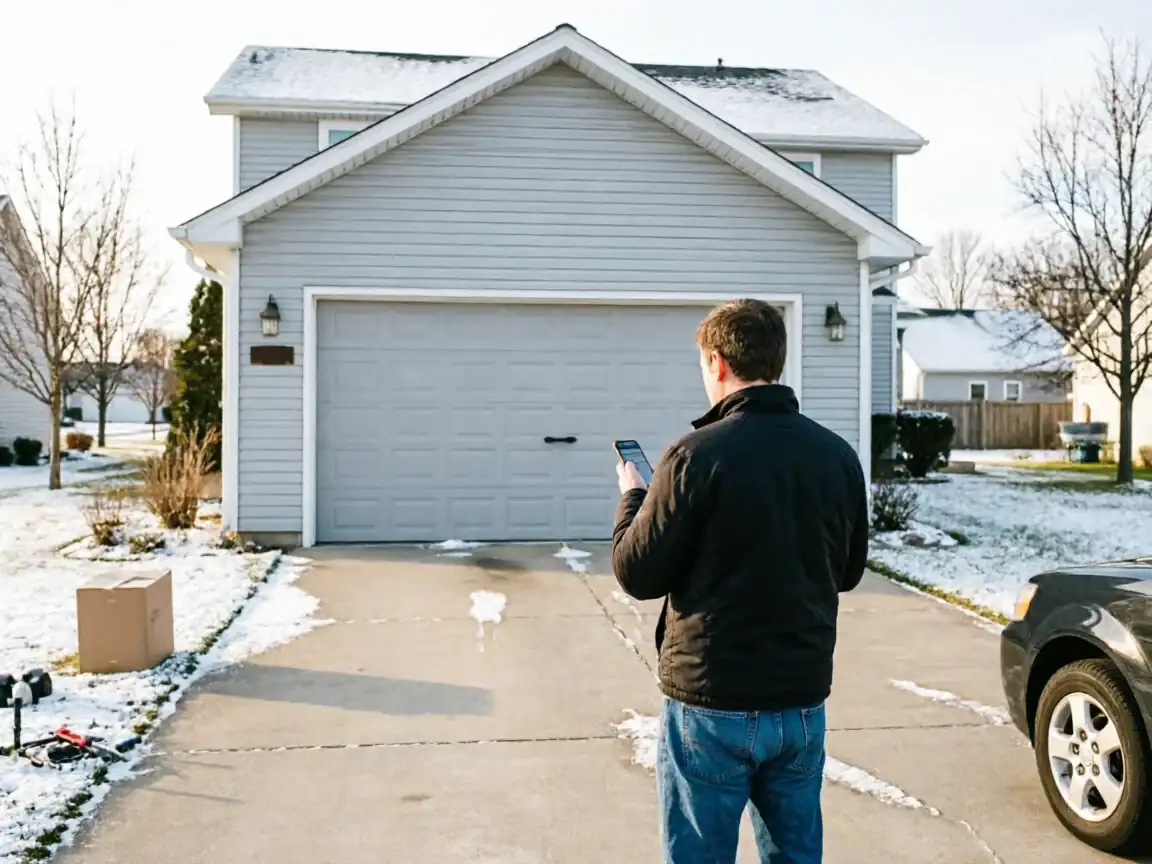
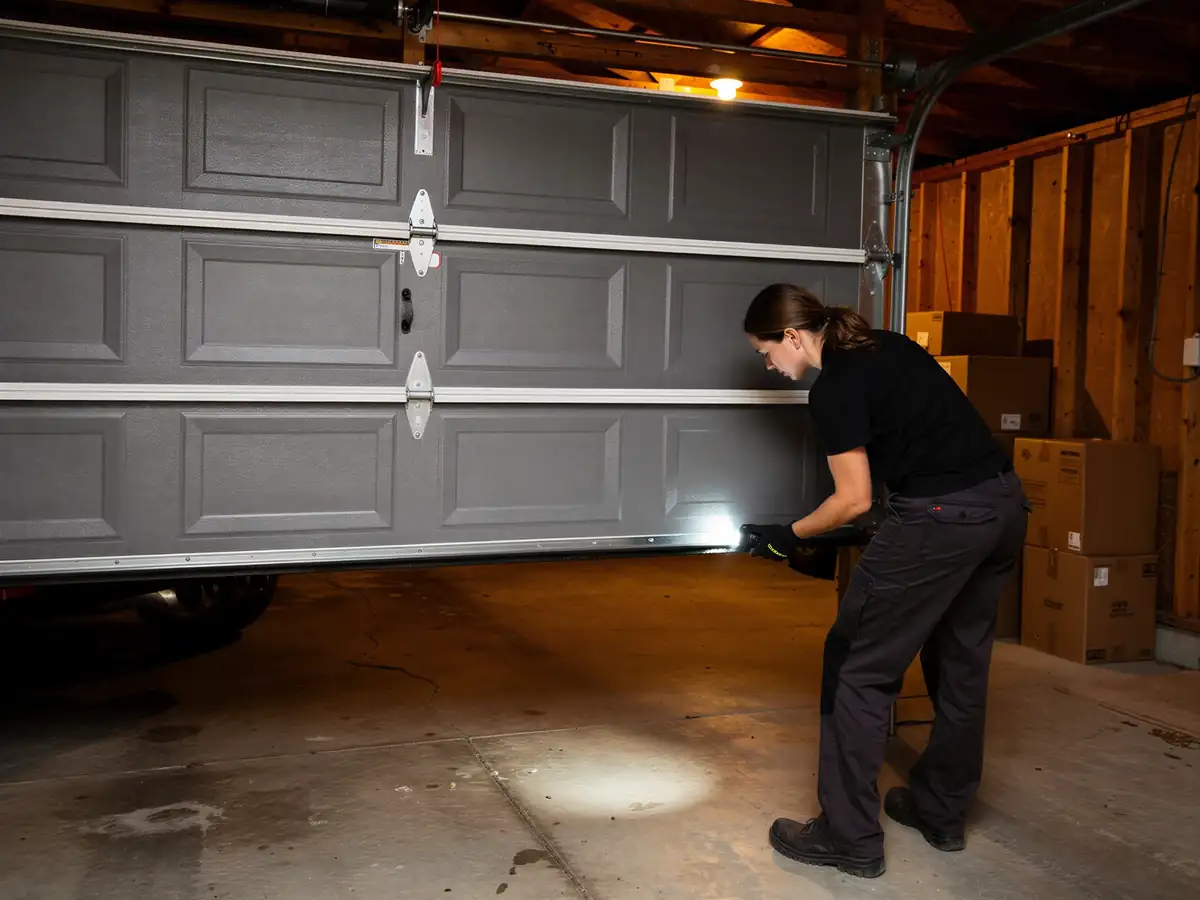
The most common complaint we hear from this part of the service area is a door that's suddenly louder, or one that reverses halfway up. On a house built around 1960, that's frequently a spring on its way out rather than an opener problem - extension springs don't fail gracefully, they fail by snapping, and the door gets heavy and loud in the weeks before that happens. Severe cold makes this worse. Lubricant that's fine in September turns thick in January, rollers drag, and the opener's motor works harder to compensate, which can trip the safety reversal sensors. Because household sizes here run smaller on average across the wider service area, we also see a fair number of doors that simply don't get used every day - which sounds safer but actually lets corrosion and dried lubricant build up unnoticed on hardware that's already pushing 65 years old.