Booking a Visit
Berkley sits 18 miles from our shop in Waterford, which puts it toward the far end of the loop we run most days. That doesn't change what we bring or how the job goes once we're in the driveway, but it does mean we build the stop into a route rather than treat it as a one-off. If you call in the morning, expect us to work you into the afternoon run rather than send a truck out solo - it's the difference between a $400 emergency charge and a normal visit. We don't keep a branch in Berkley or anywhere else in this service area; every job here starts with a drive, and we tell you that up front instead of pretending otherwise. Rollers are a job we can usually finish in one visit without a special order, because the sizes used on doors from this era are common stock, not something we need to chase down after we've already seen the track in person. If your opener is also acting up, mention it when you call - we'd rather diagnose both at once than make you book a second drive out.
Parts We Carry
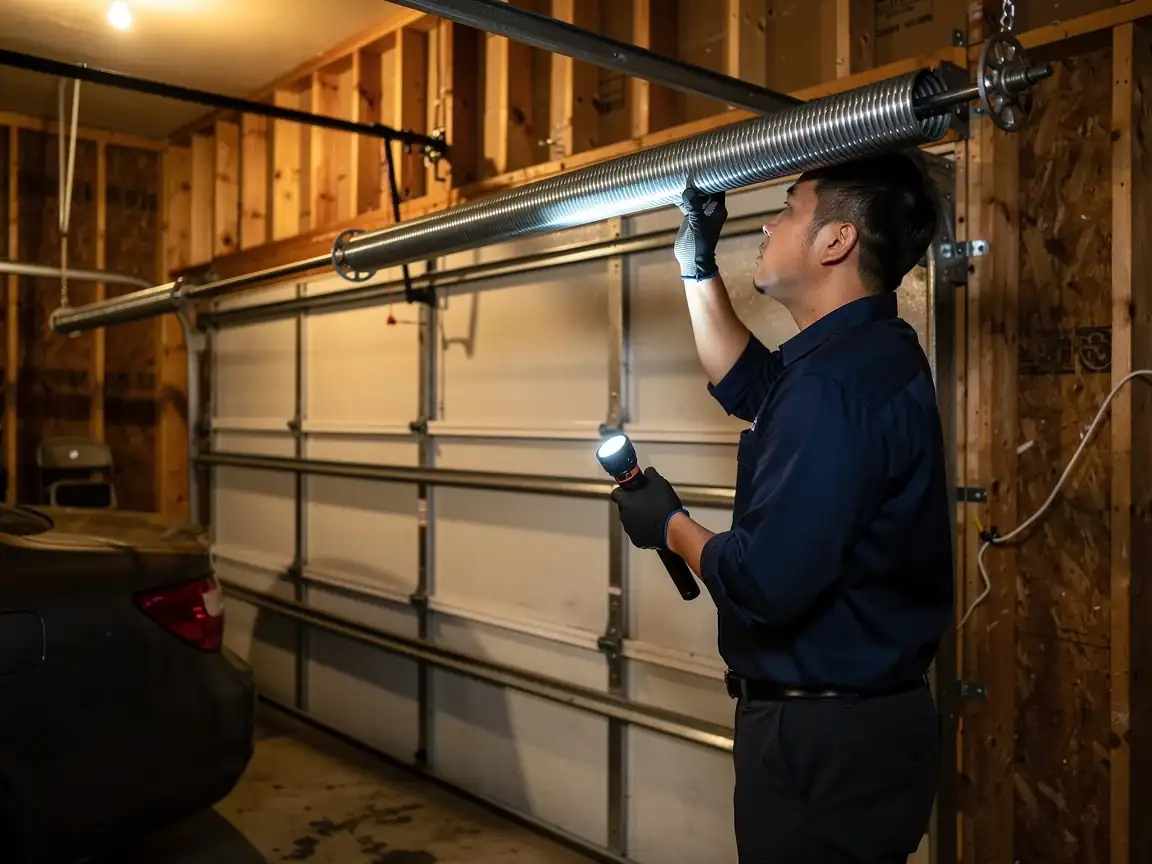
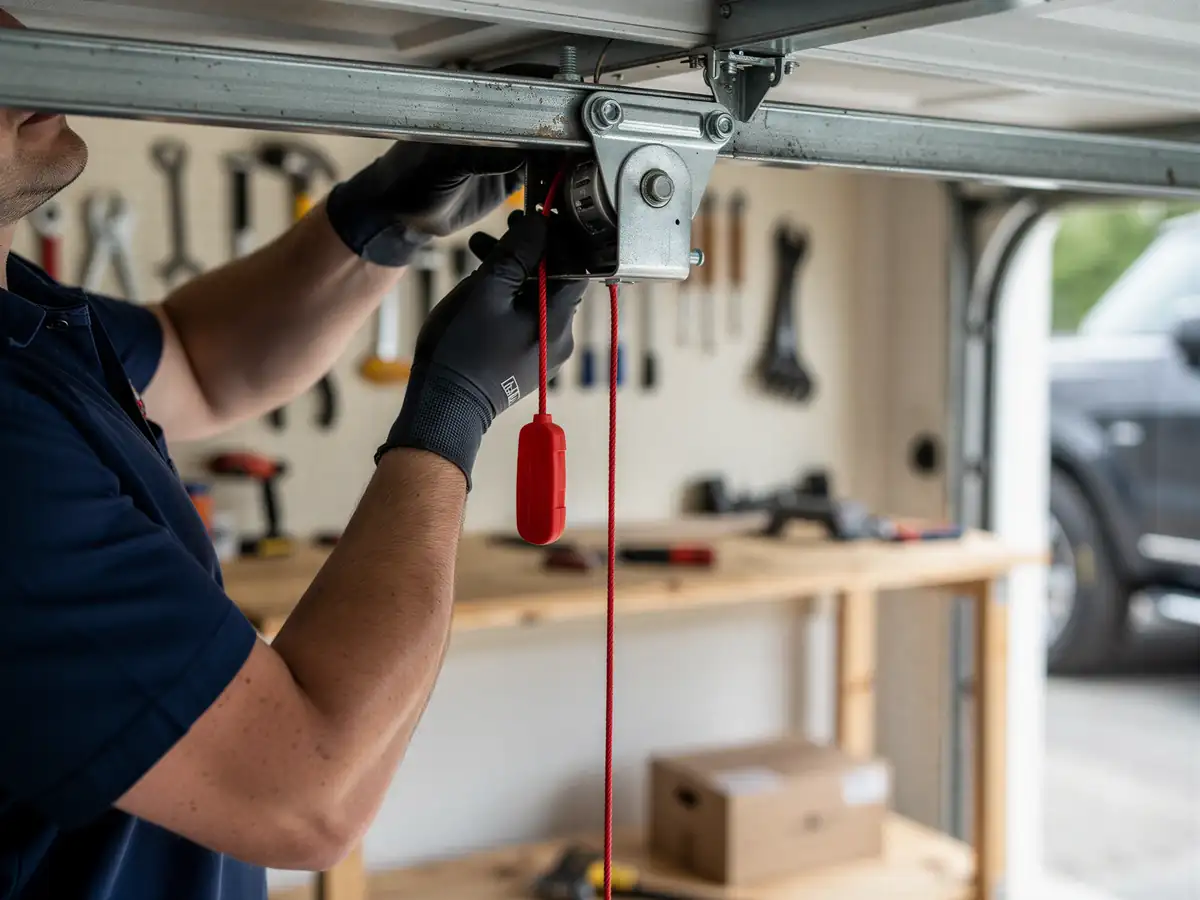
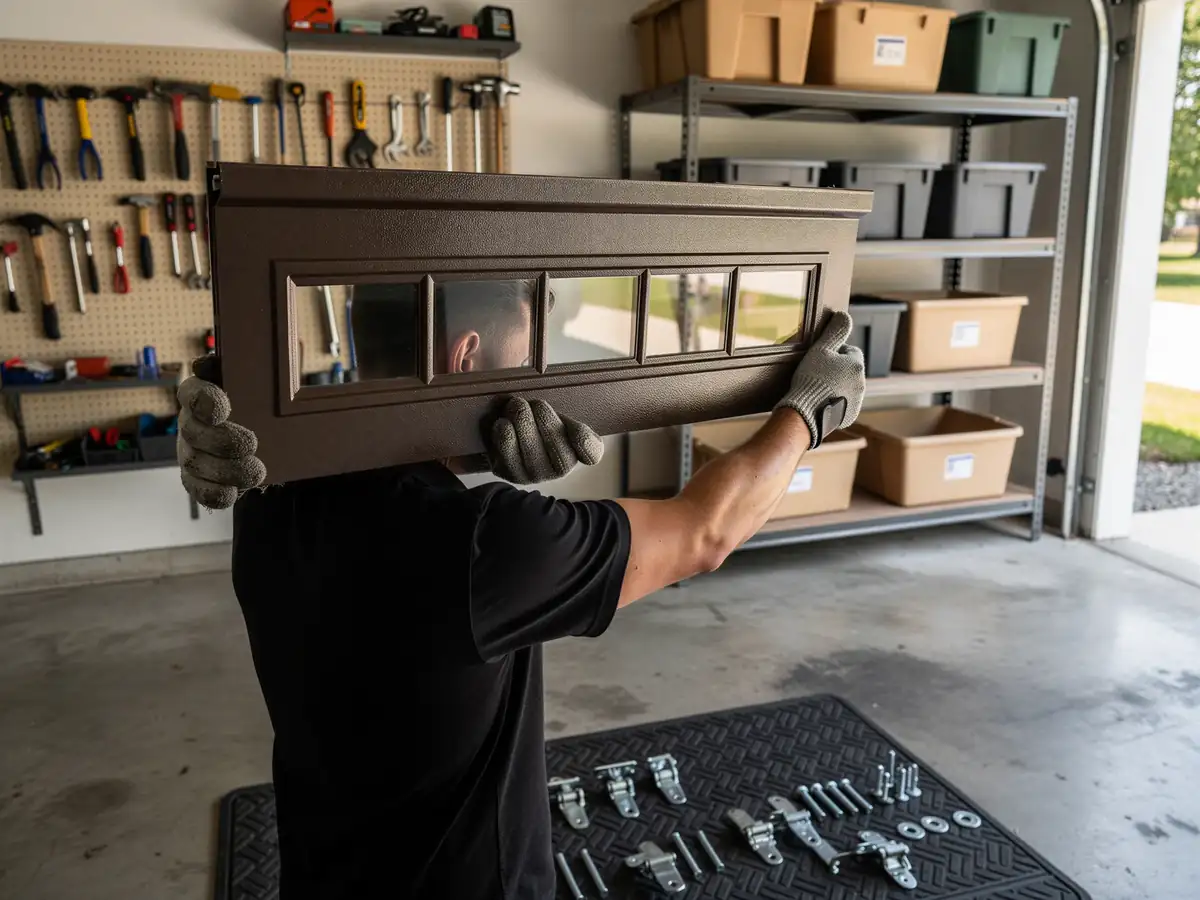
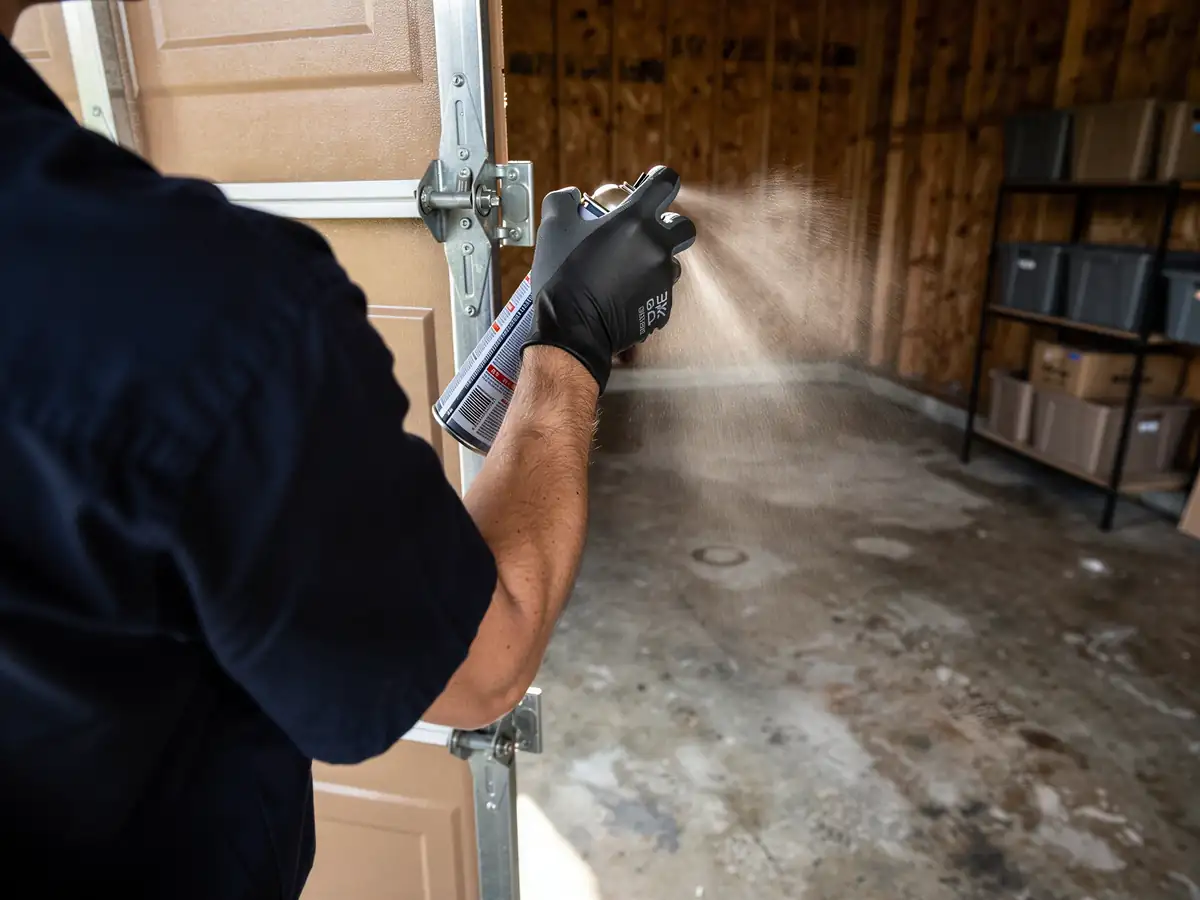
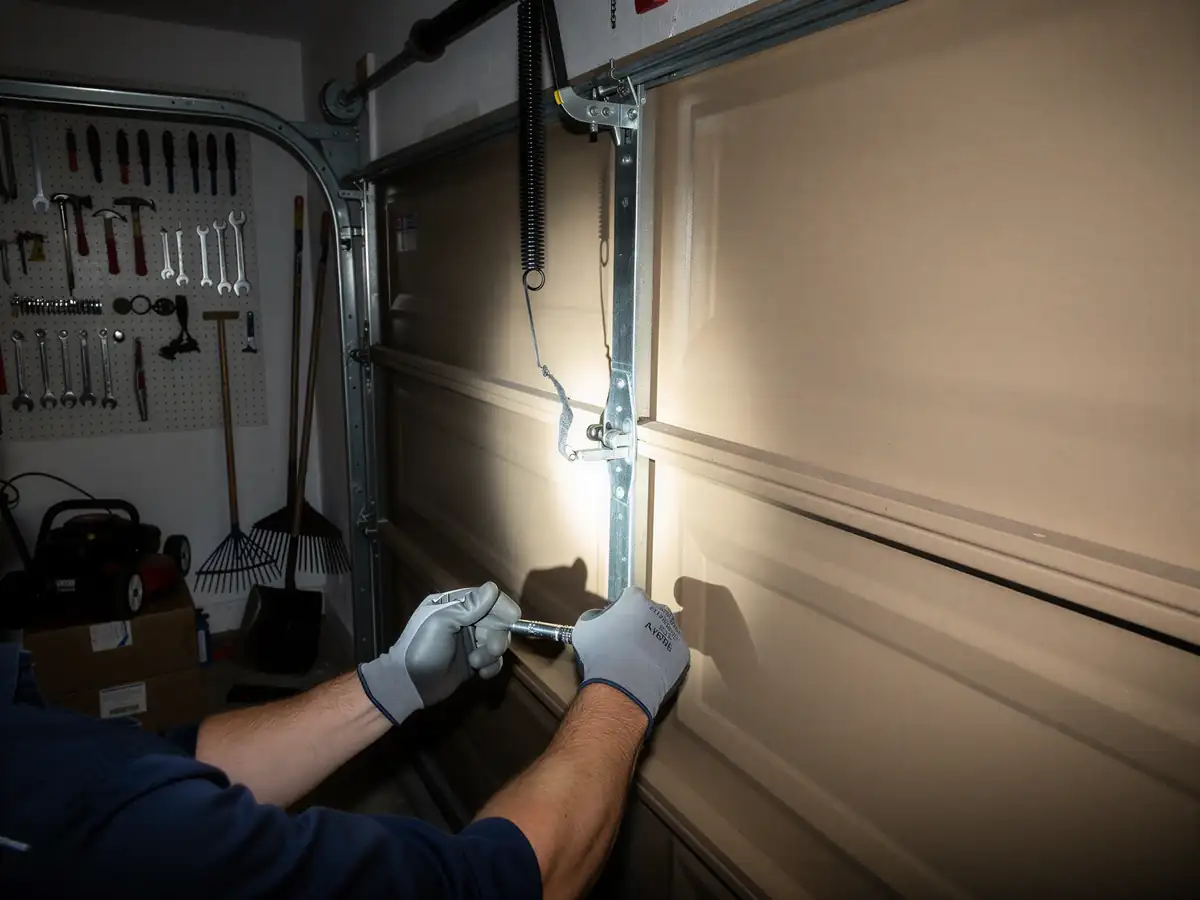
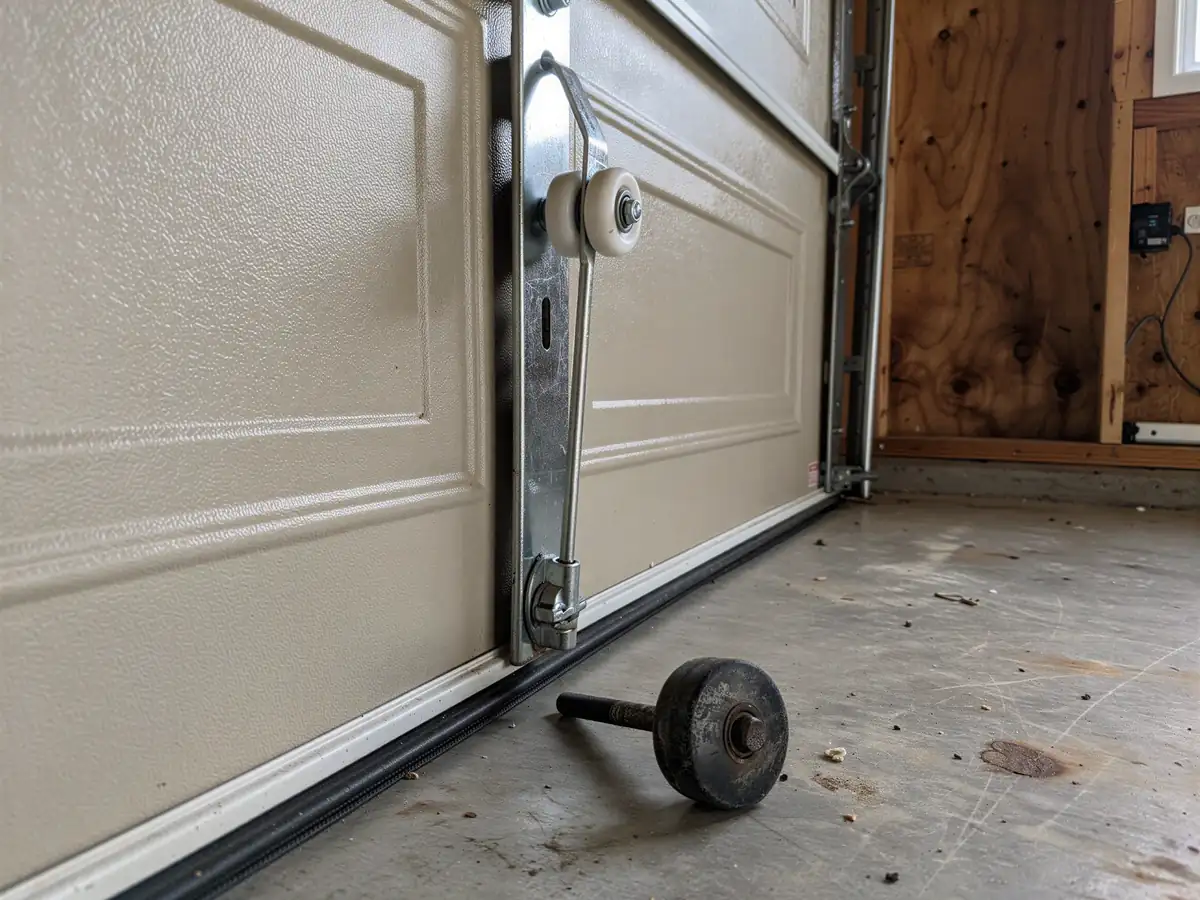
We carry steel rollers with sealed bearings and nylon rollers in the standard 2-inch and 2.5-inch stem lengths, which covers the great majority of doors built when Berkley's housing went up - the area's median build year is 1949. Nylon is what we recommend for most homes here: quieter against a steel track, and it doesn't need the grease that steel rollers demand every season to keep from binding. We also stock the longer 4-inch stem rollers used on some double-track setups, and we carry extra roller brackets, since a cracked bracket is often what actually failed, not the roller itself. What we don't carry on the truck is anything custom-profiled for a commercial door or an odd aftermarket track width - that's a special-order part, and we'll tell you that before we quote the job, not after.
Why It Happens Here
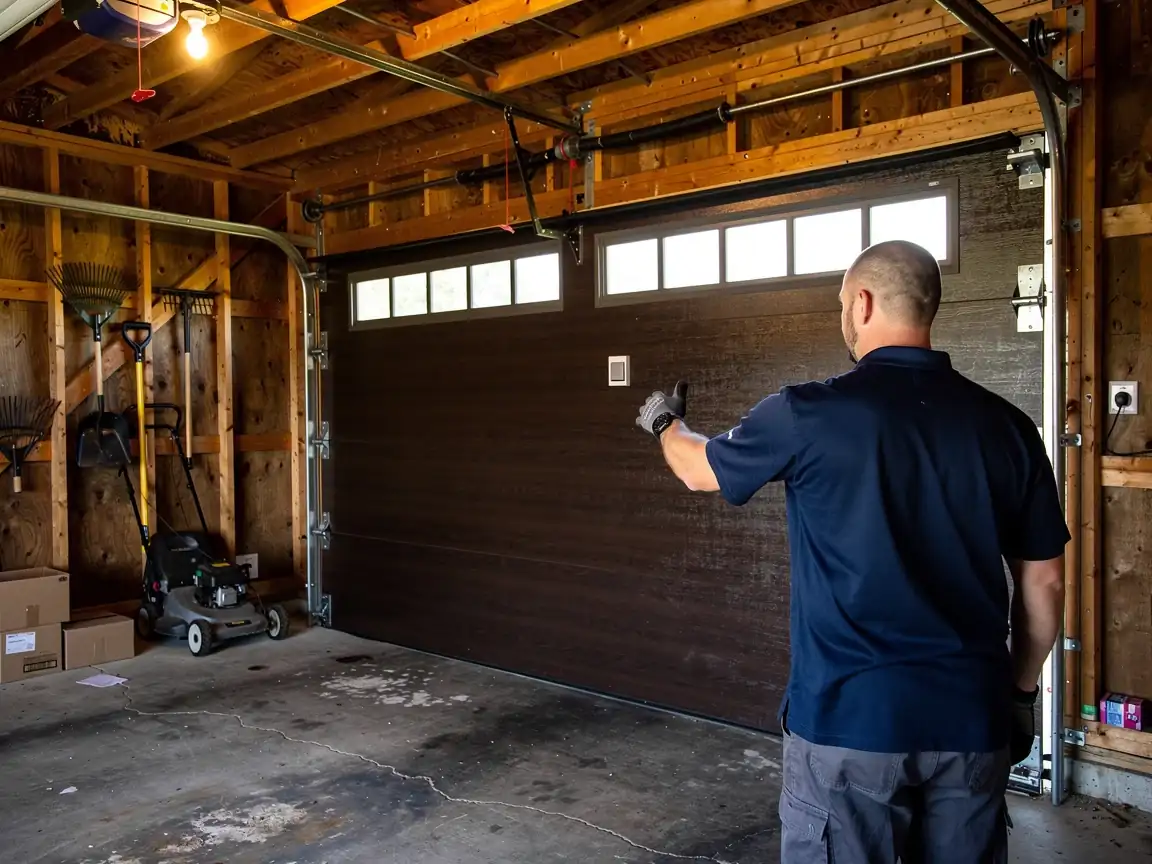
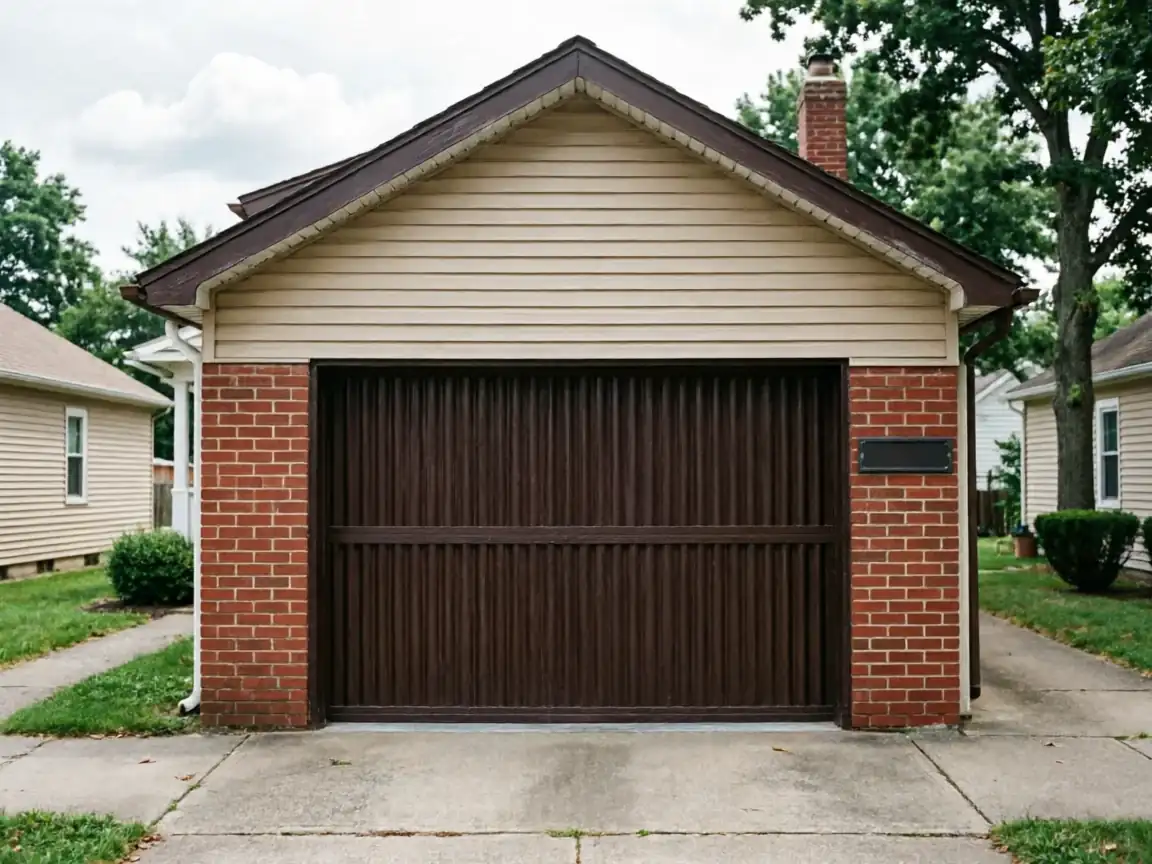
Berkley's housing stock centers on 1949, which means steel rollers on steel track were the standard setup when these doors first went in, and a lot of that original hardware is still running decades past when it should've been swapped. The service area overall sits in a cold, severe winter climate, and steel rollers are the first thing to suffer for it - the metal contracts in deep cold, bearings dry out, and you get that grinding, uneven roll that gets worse every winter until a roller finally snaps off the track. Nylon rollers handle the cold-to-warm swing better because they don't contract the same way steel does, which is why we swap steel for nylon on most of these jobs rather than replacing steel with steel. One limitation worth saying plainly: if the track itself is bent or rusted through, new rollers won't fix the noise - that's a track repair or replacement job, and we'll tell you if that's what we're actually looking at before we sell you rollers you don't need.