Booking a Visit
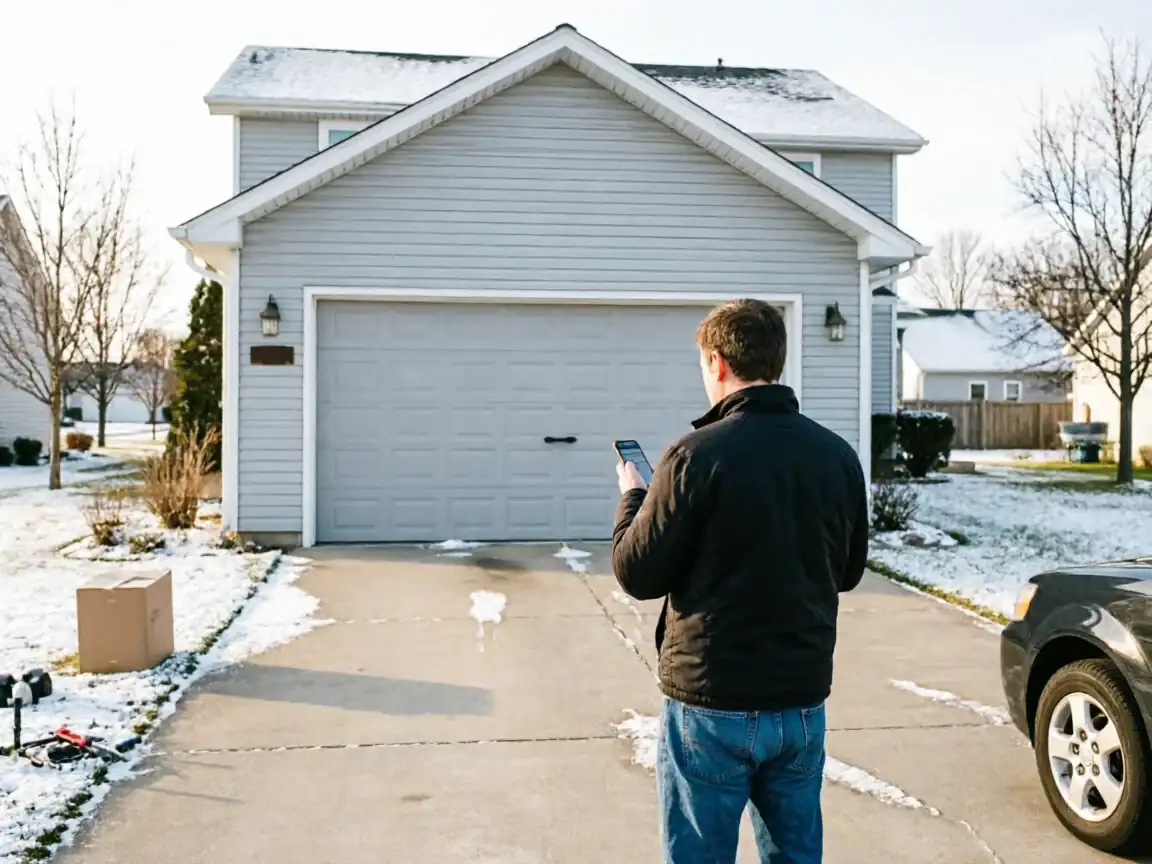
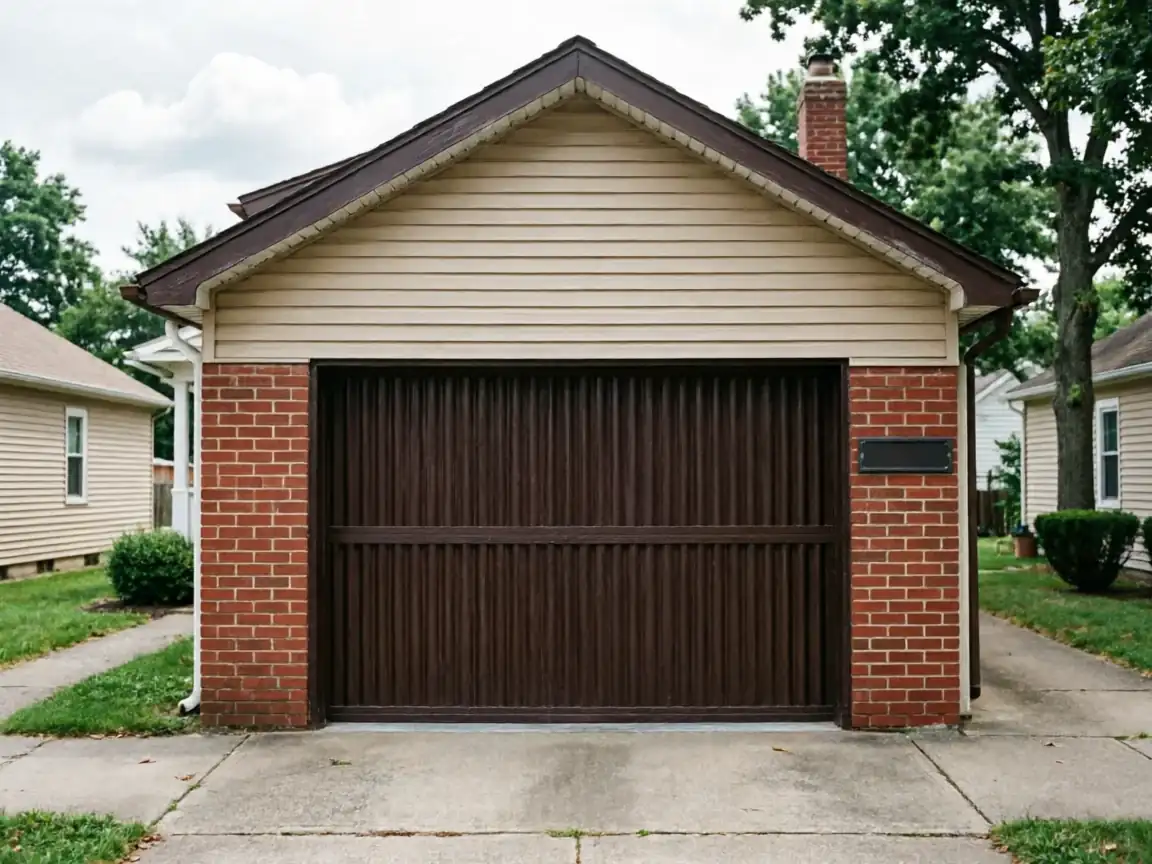
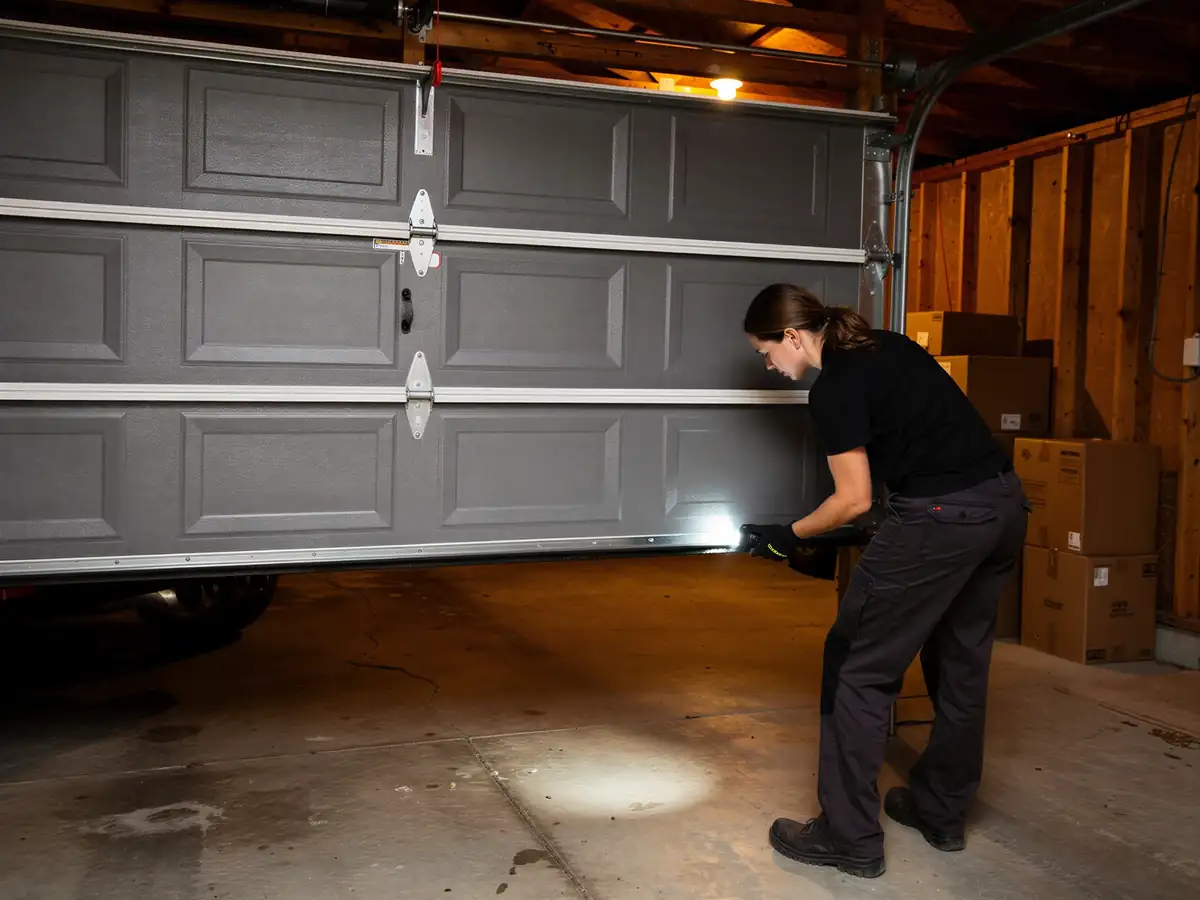
Berkley is a small town as these things go - about 6,852 households sitting in a tight footprint, which means the work here tends to repeat itself: the same spring size, the same opener model, over and over, because so many of the houses went up around the same year. We don't keep a crew stationed in Berkley. Every job comes from our Waterford base, 18 miles out, so when you call we're scheduling a drive, not dispatching someone around the corner. That's an honest trade-off: we can't promise the same turnaround as a company sitting inside town, and if you need something fixed in the next hour, we're not always going to be your fastest option. What we can do is show up with the right spring and the right rollers already on the truck, because we know what's behind a Berkley garage door before we knock. Call ahead when you can, especially in winter when cold snaps push a lot of calls through at once and the drive time matters more for scheduling than for the repair itself.
Parts We Carry
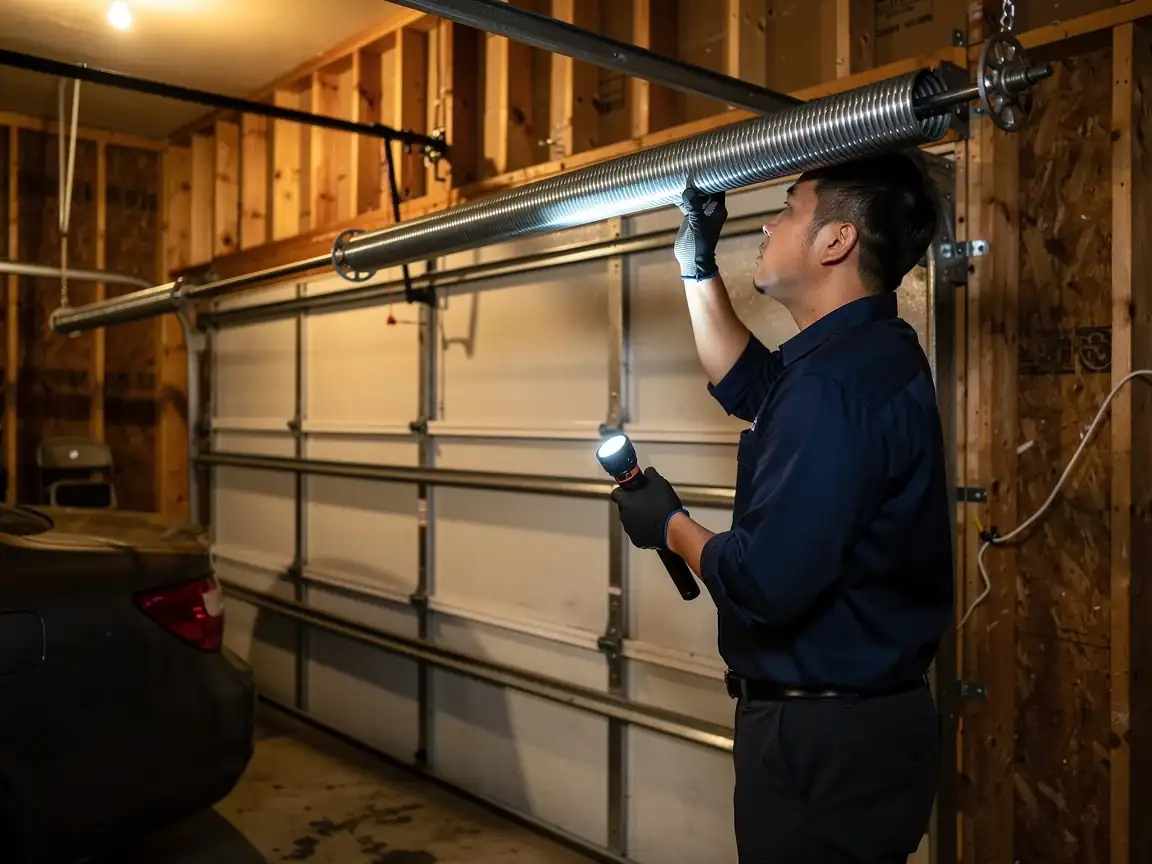
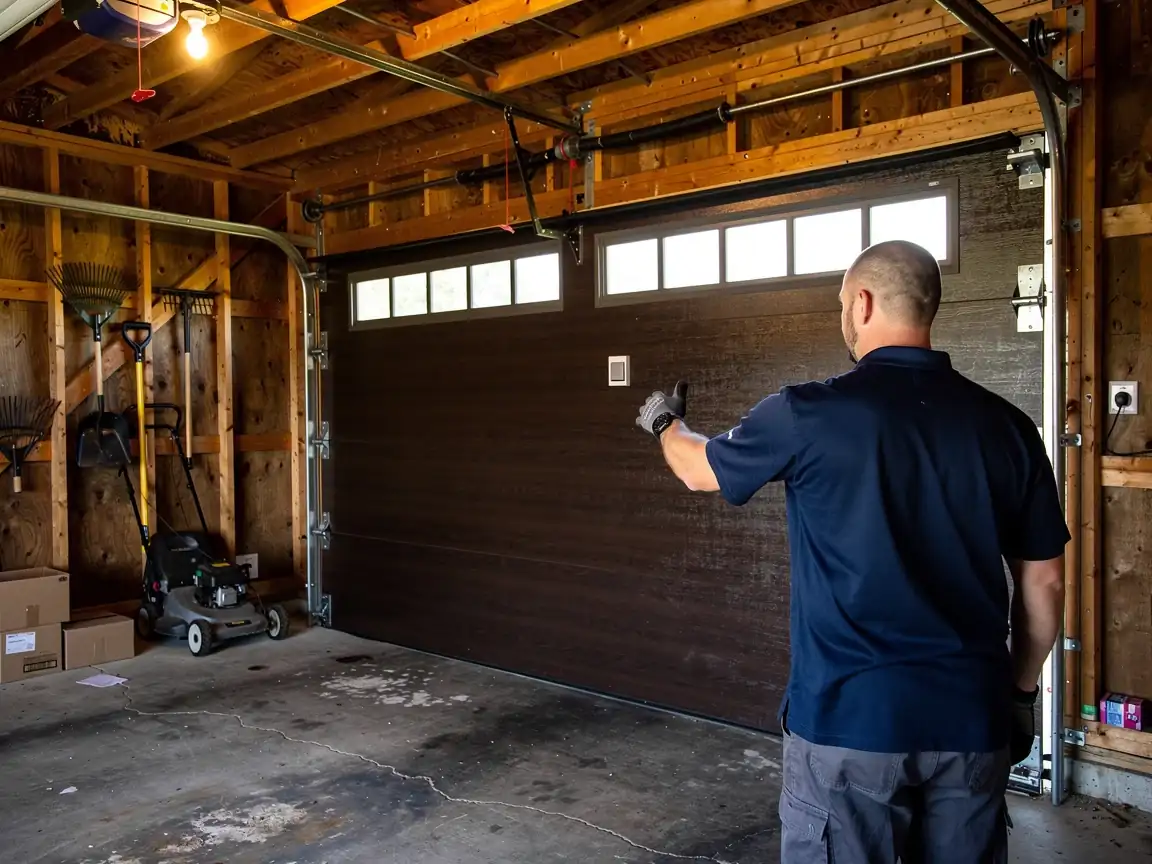
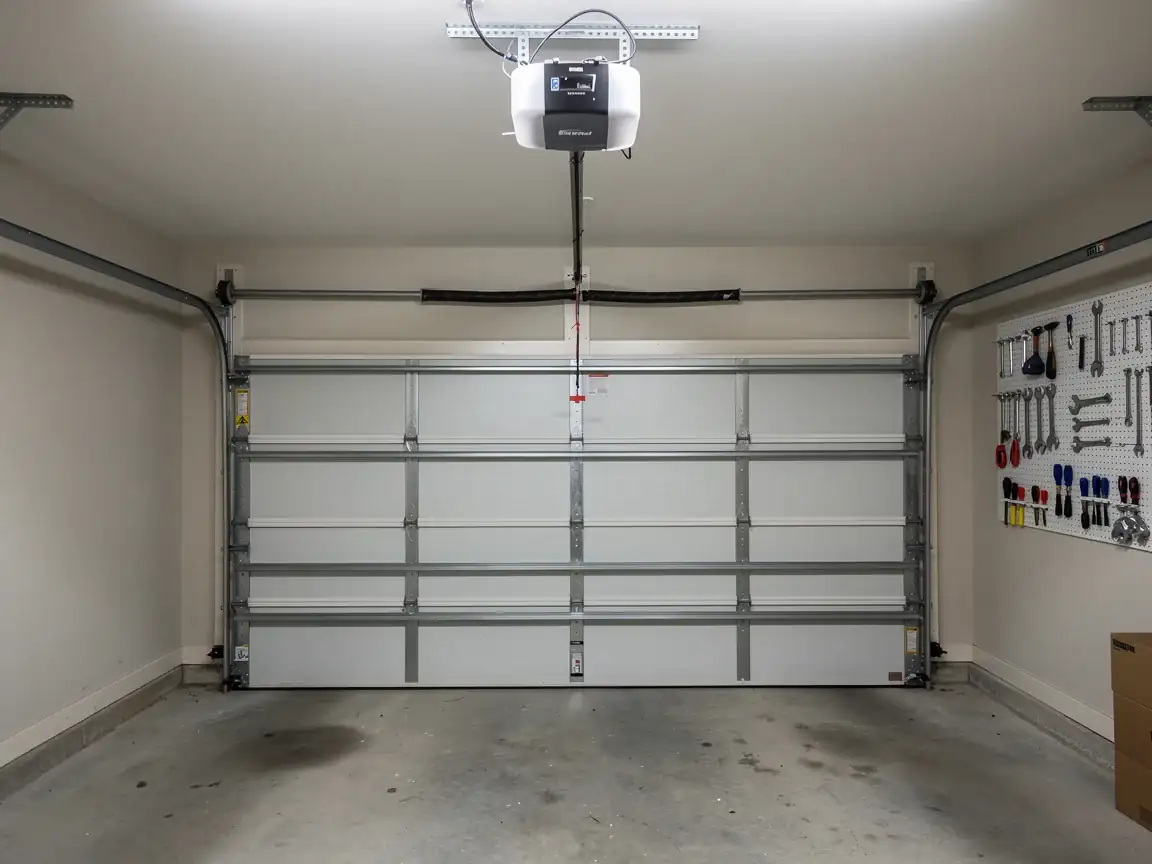
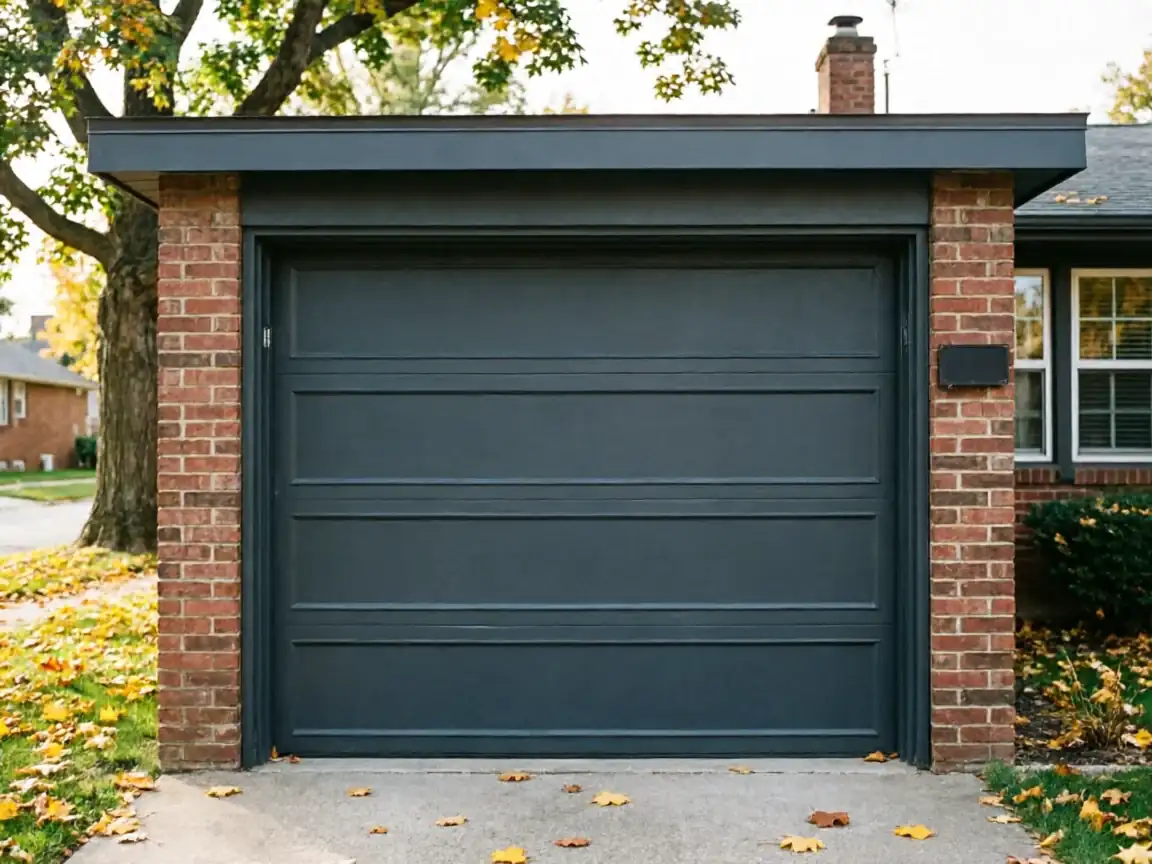
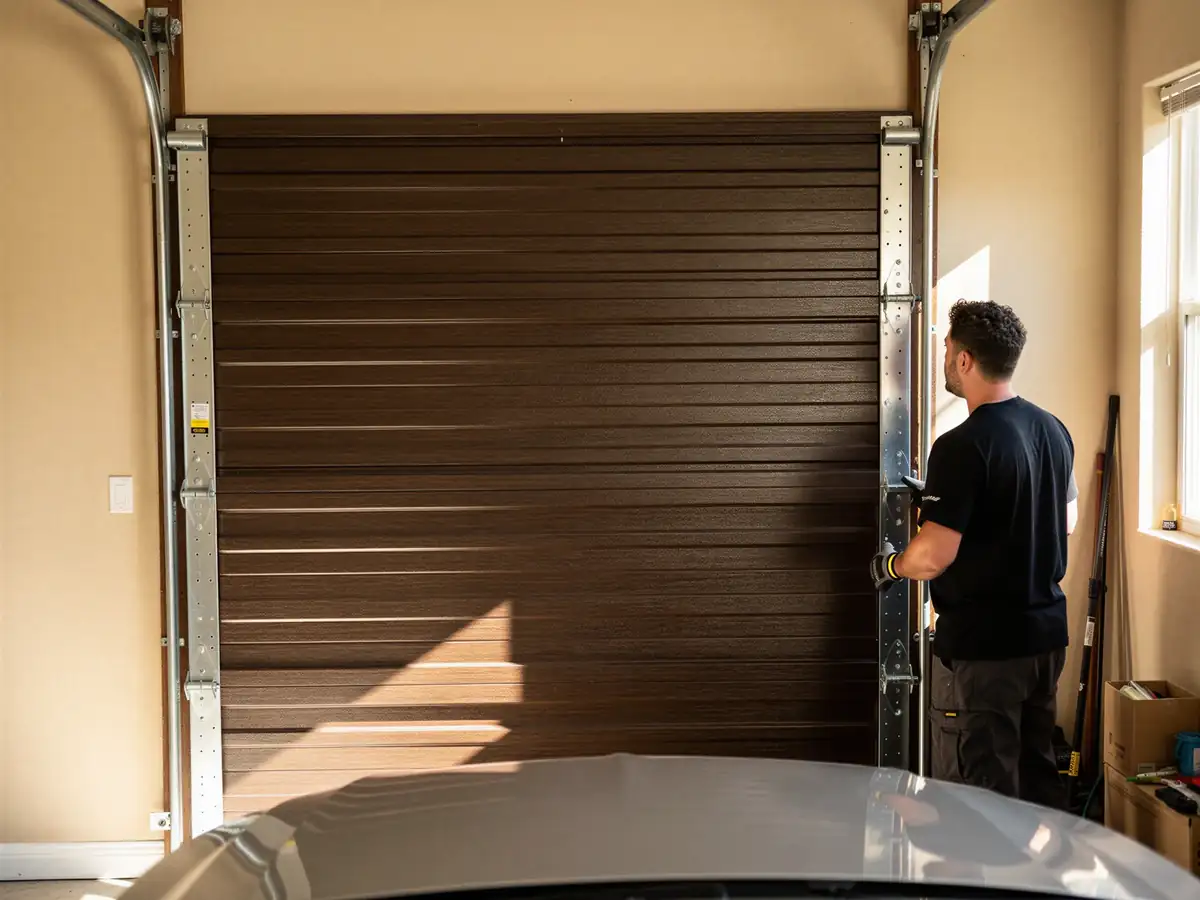
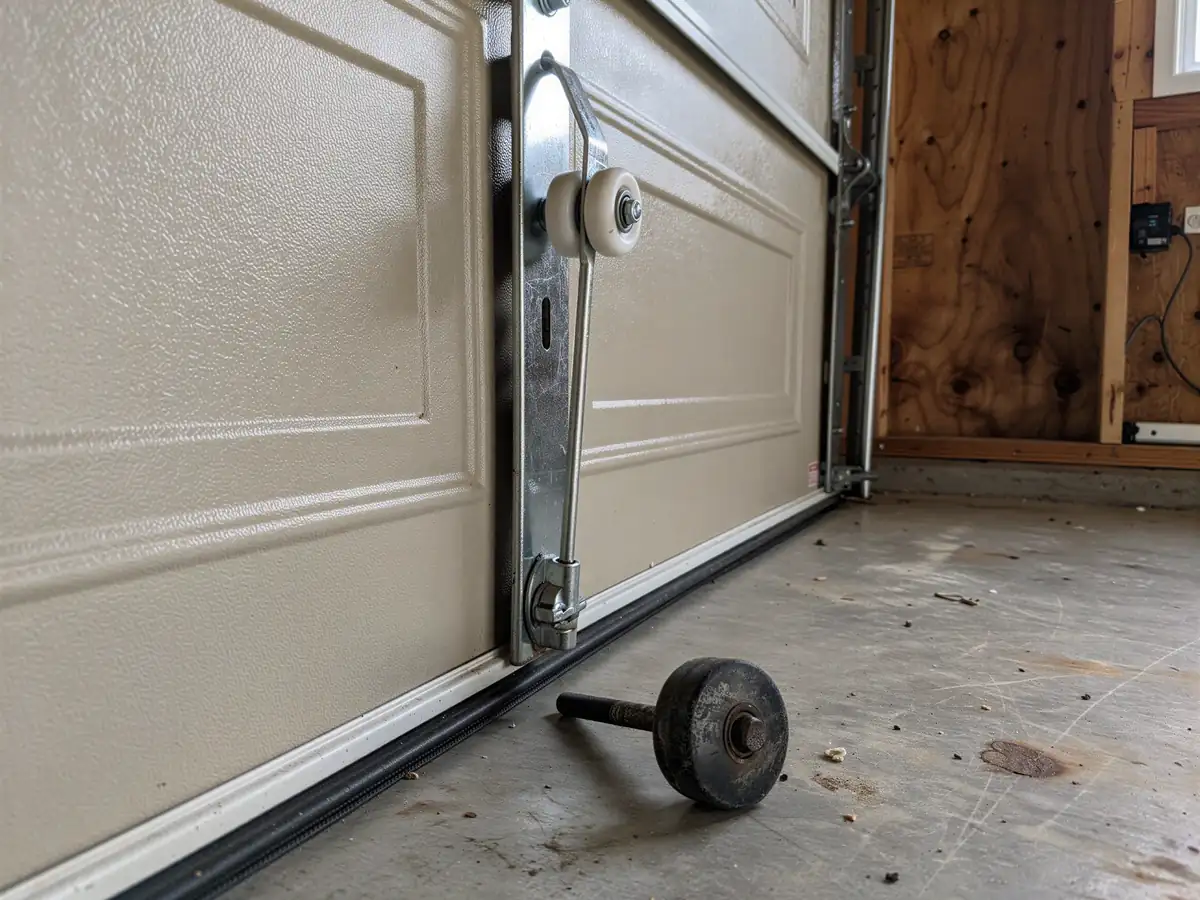
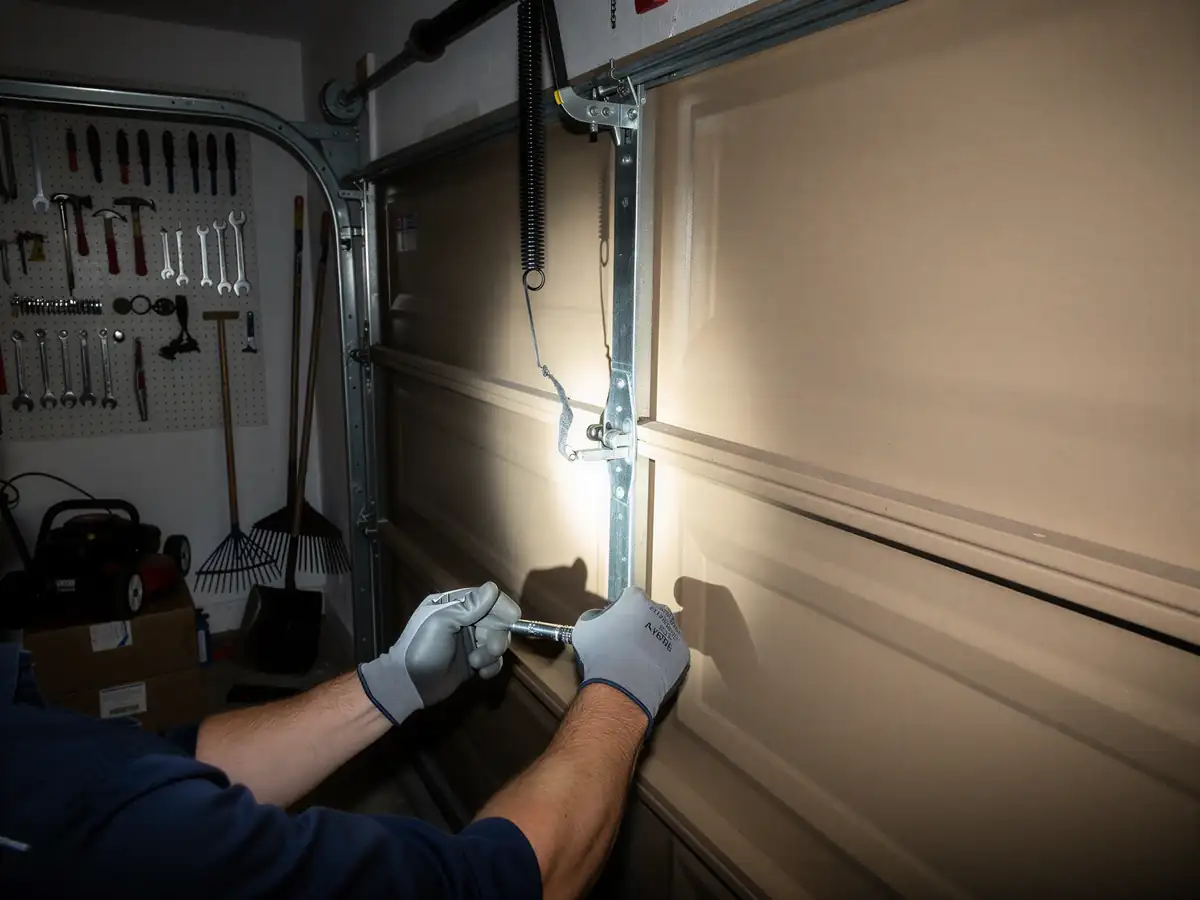
Most of Berkley's housing dates to 1949, a good quarter-century older than the 1973 median we see across the rest of the area we cover. That era of construction often means narrower garage openings, lighter original doors, and torsion spring hardware sized for panels that have since been swapped for heavier insulated steel without anyone upgrading the spring to match. We carry torsion springs in the wind and cable sizes that fit those older headroom setups, along with standard-lift track sections, since a lot of these garages were built with less vertical clearance than newer construction allows. Rollers and hinges from the original builds are long out of production, so we replace with modern nylon or steel equivalents sized to the same door width. One limit worth saying plainly: if the frame or jambs have shifted with the house over seventy-plus years, sometimes the fix isn't the door at all - it's carpentry, and that's not a call we take.
Why It Happens Here
Michigan's cold is a severe-climate problem for garage door hardware, and Berkley's older housing stock makes it worse. A torsion spring loses tension every time it cycles through a hard freeze-thaw swing, and a door built in 1949 has had a lot more winters to wear that spring down than one built in the 1990s. We see that combination play out as sudden spring failure - not a slow squeak building for weeks, but a door that simply won't lift one cold morning. Openers fare the same way: older garages here often still run openers installed as upgrades decades after the house itself was built, and cold makes the gears and chain drive bind before anything visibly breaks. None of that is unique to one street or one block - it's the age of the housing stock meeting a Michigan winter, which is why the failures in Berkley skew toward springs and opener gear sets rather than, say, panel dents or sensor issues we see more in newer construction elsewhere in the area.