Booking a Visit
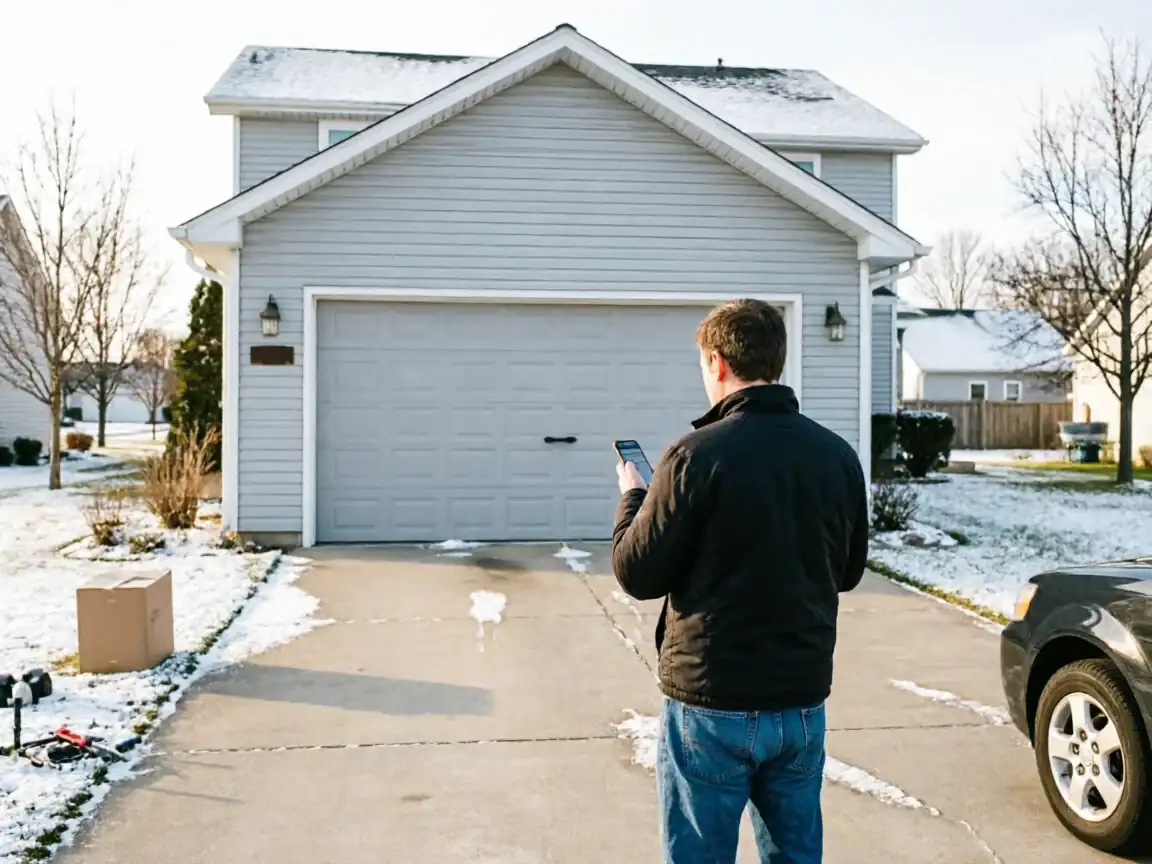
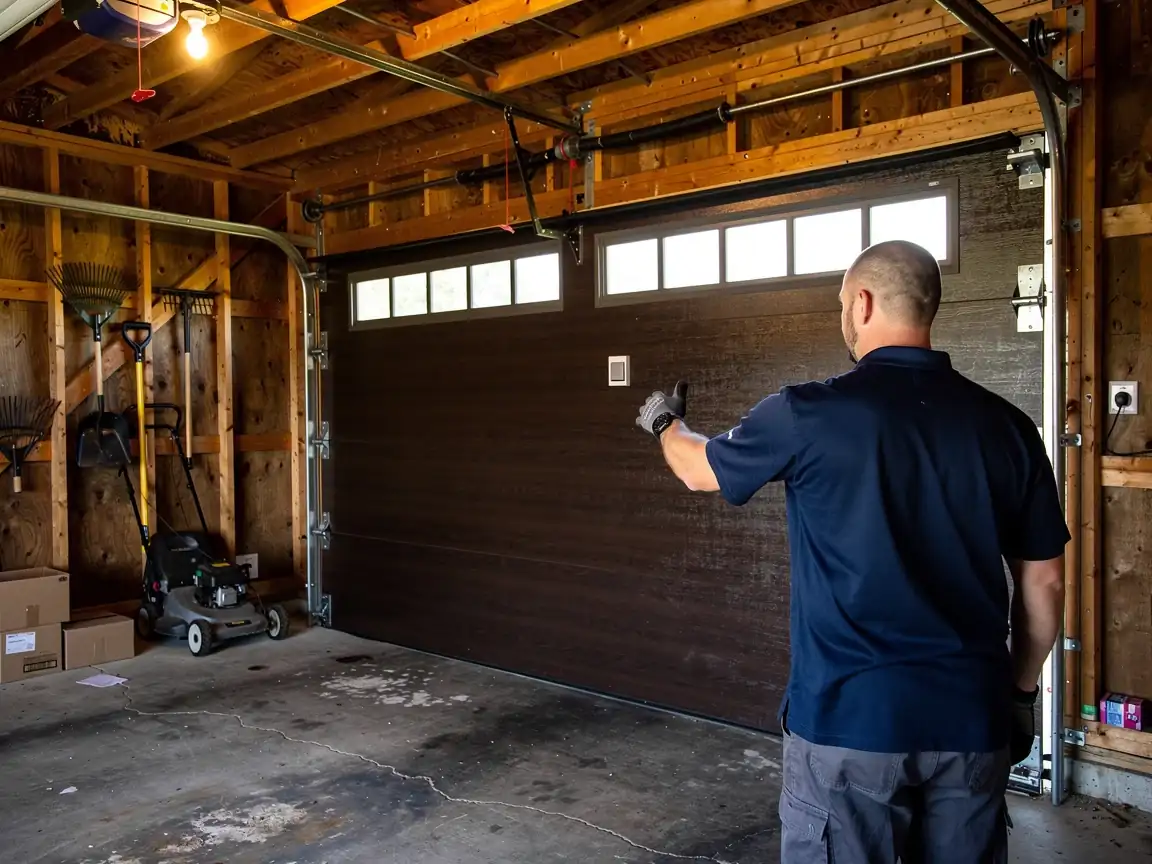
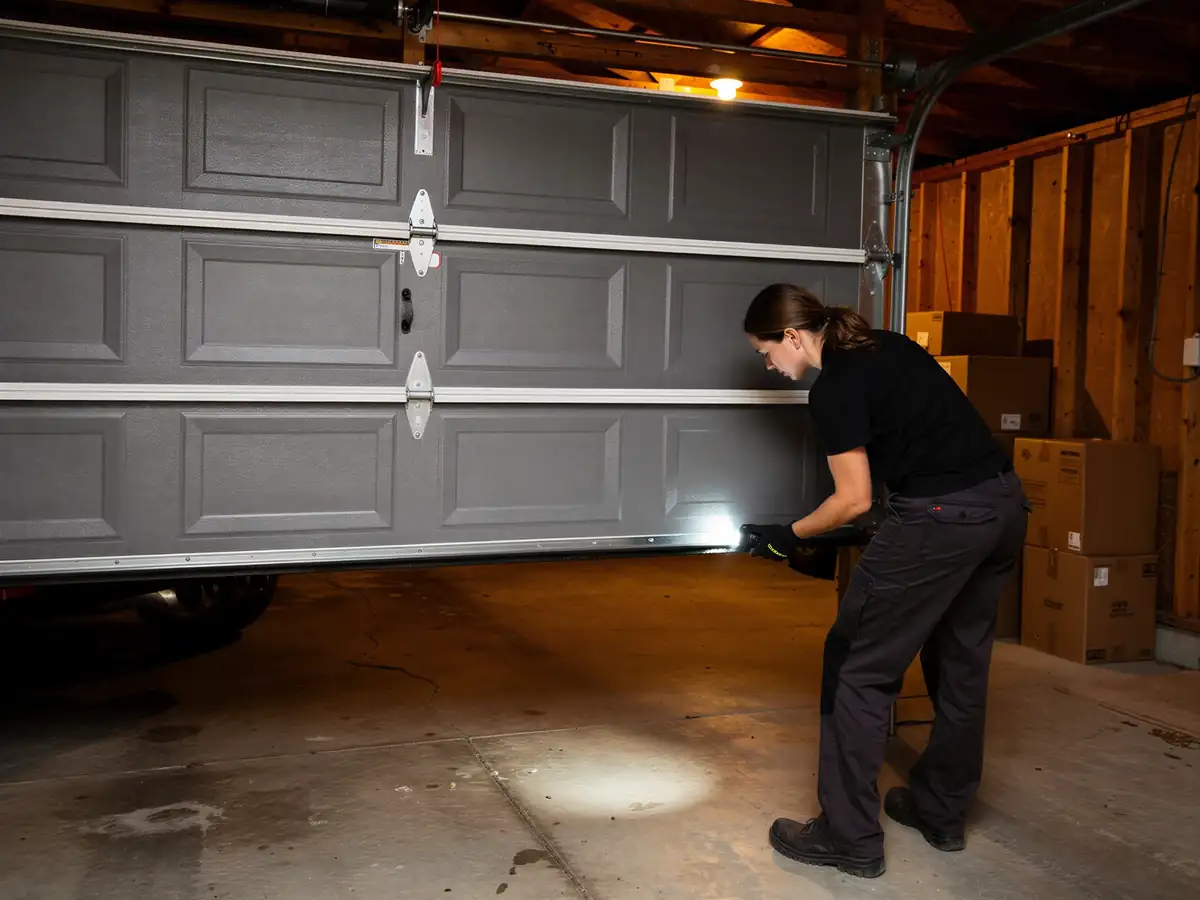
Berkley sits about 18 miles from our Waterford shop, which puts it on the farther end of the area we cover. We don't keep a branch or a drop-box here, so every maintenance visit is scheduled out of Waterford and routed to you - plan on booking ahead rather than expecting a same-day slot, especially once the cold sets in and call volume picks up across the service area. With 6,852 households in Berkley, we see a steady mix of original hardware and replacement doors installed over the decades, so when you call, tell us the approximate age of the door if you know it. That one detail changes what we bring on the truck - a 1949-era bracket set and a 1990s torsion setup are not interchangeable, and showing up with the wrong spring size wastes your appointment slot. If you're not sure how old your door is, we can usually tell from the opener mount and track style once we're looking at it, but a rough idea up front still helps us plan the visit correctly.
Parts We Carry
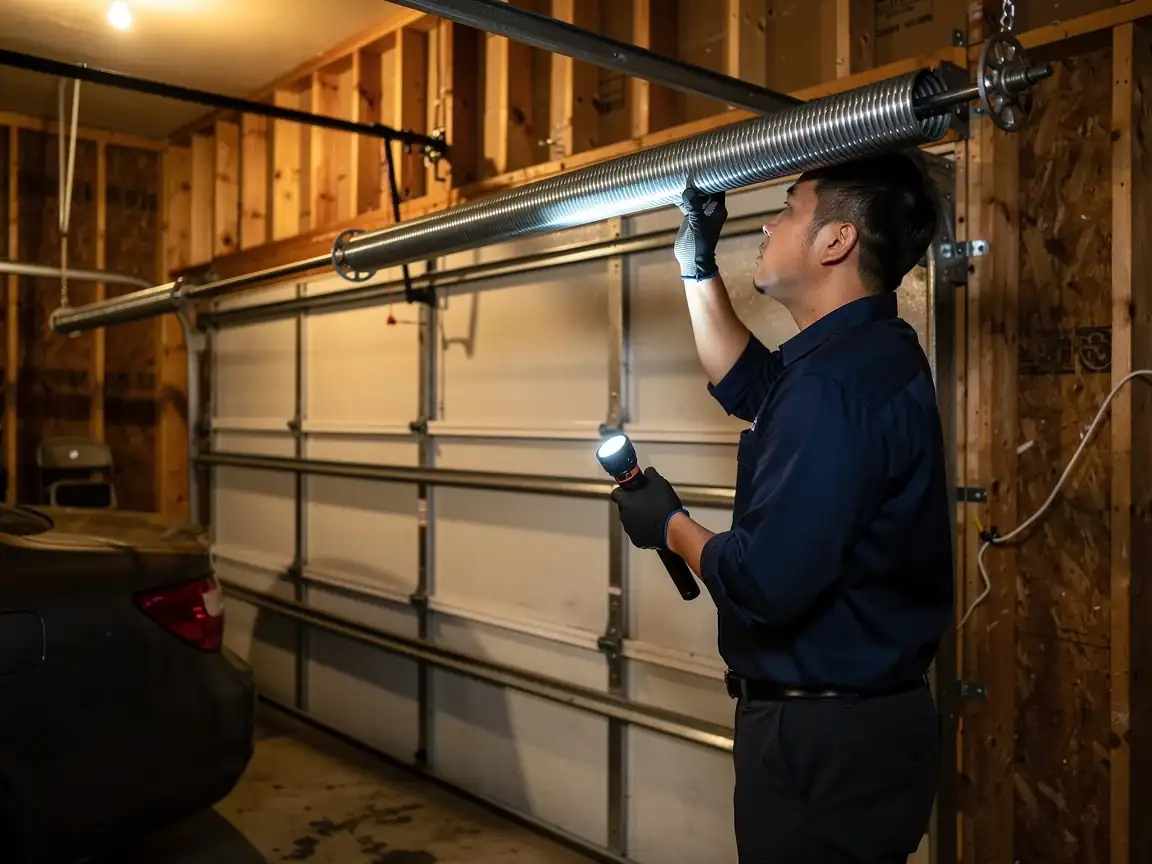
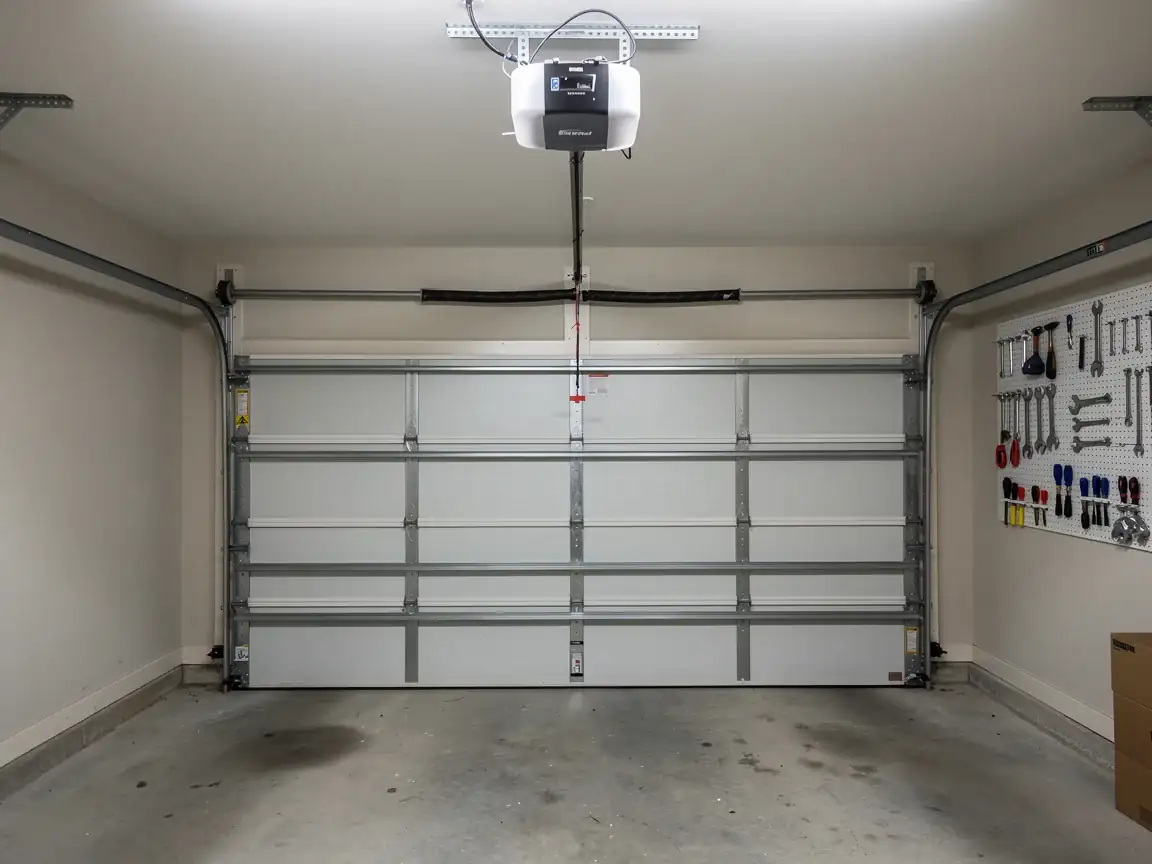
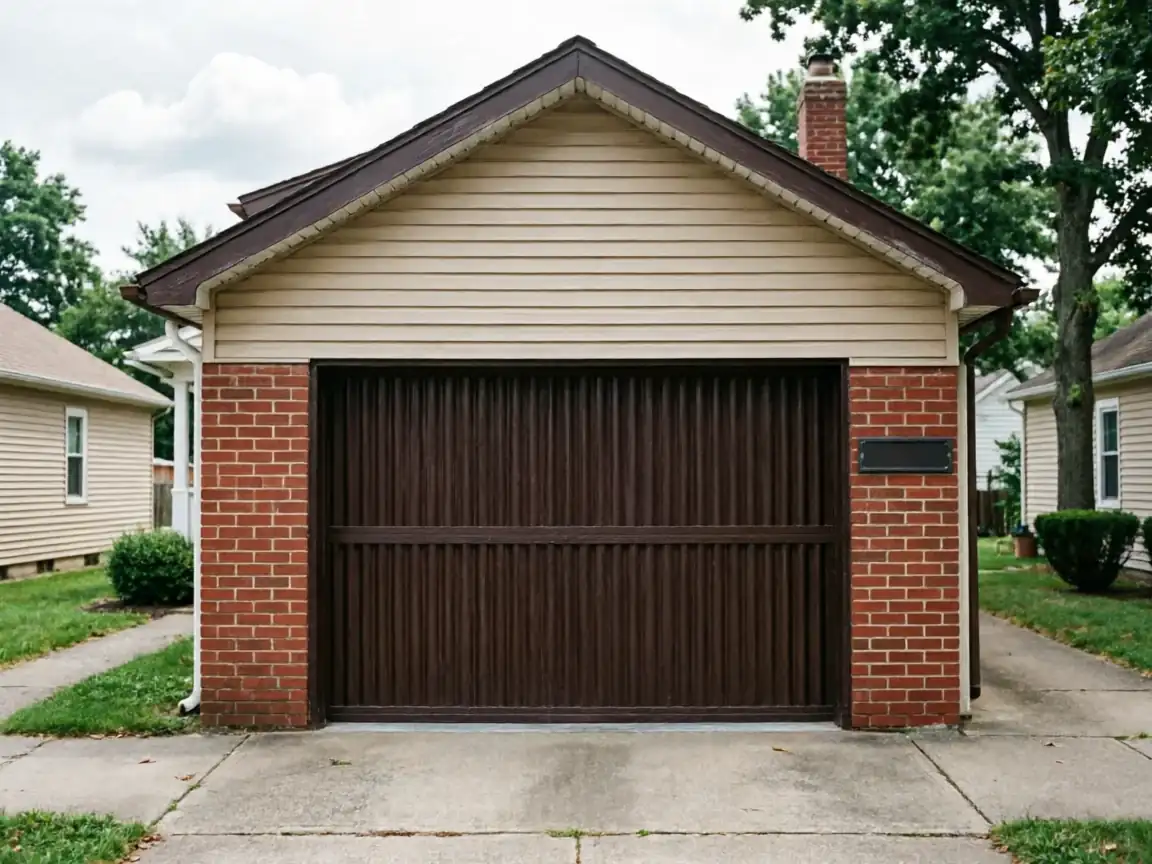
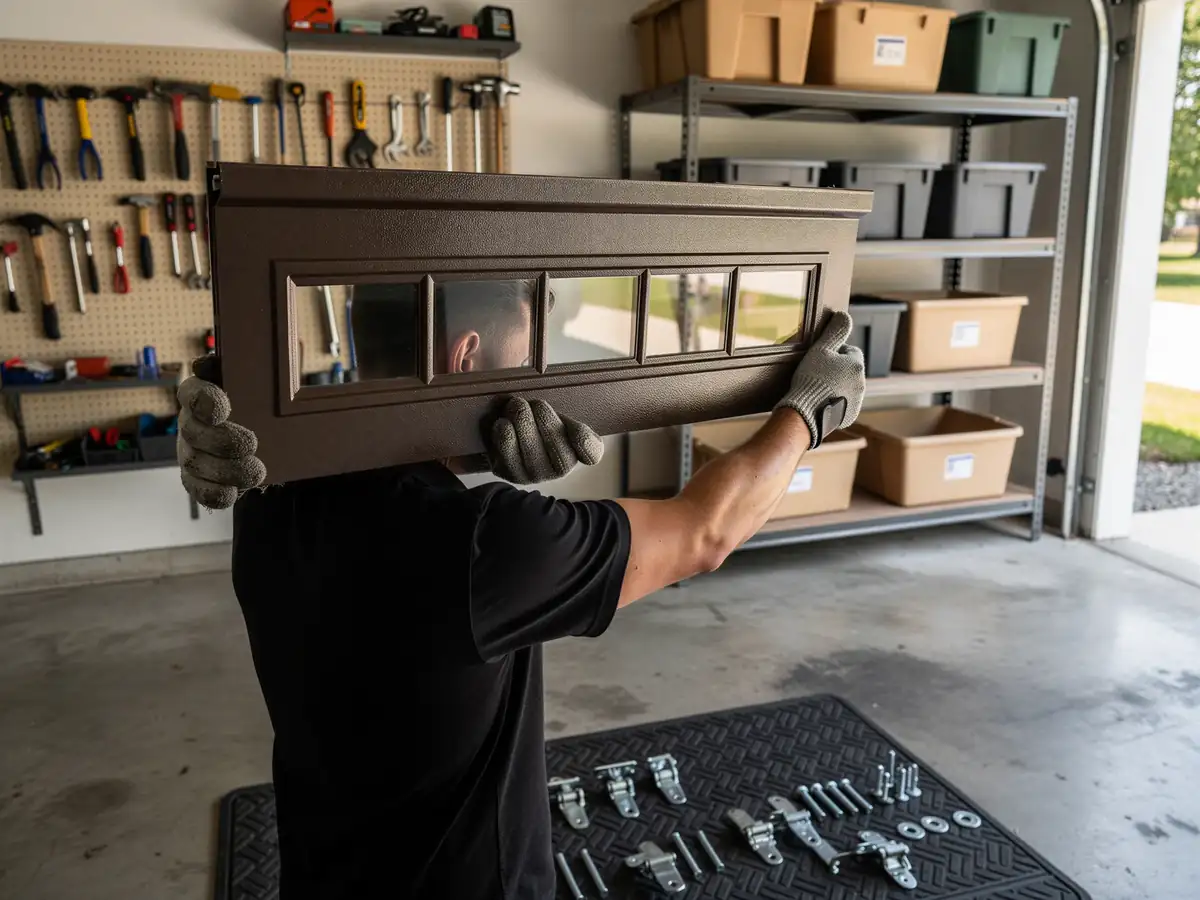
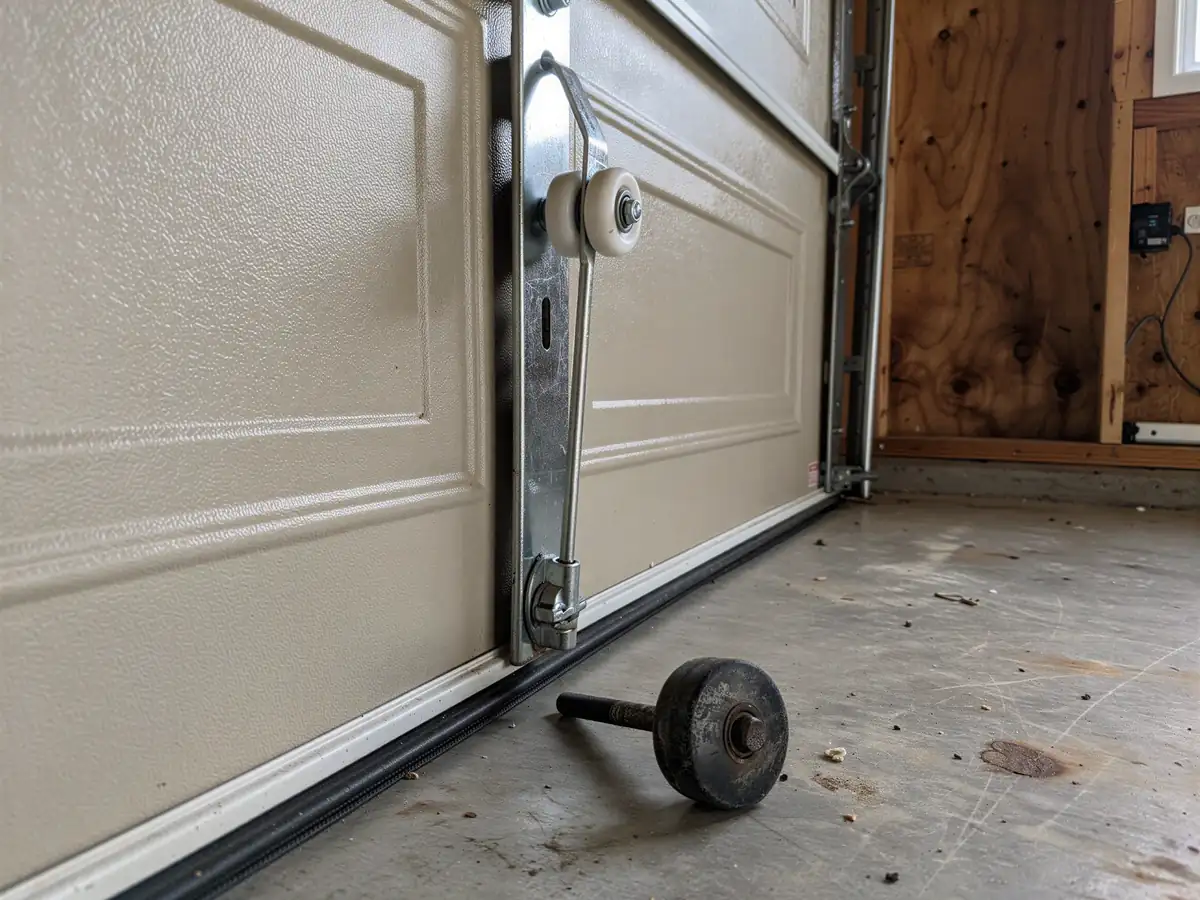
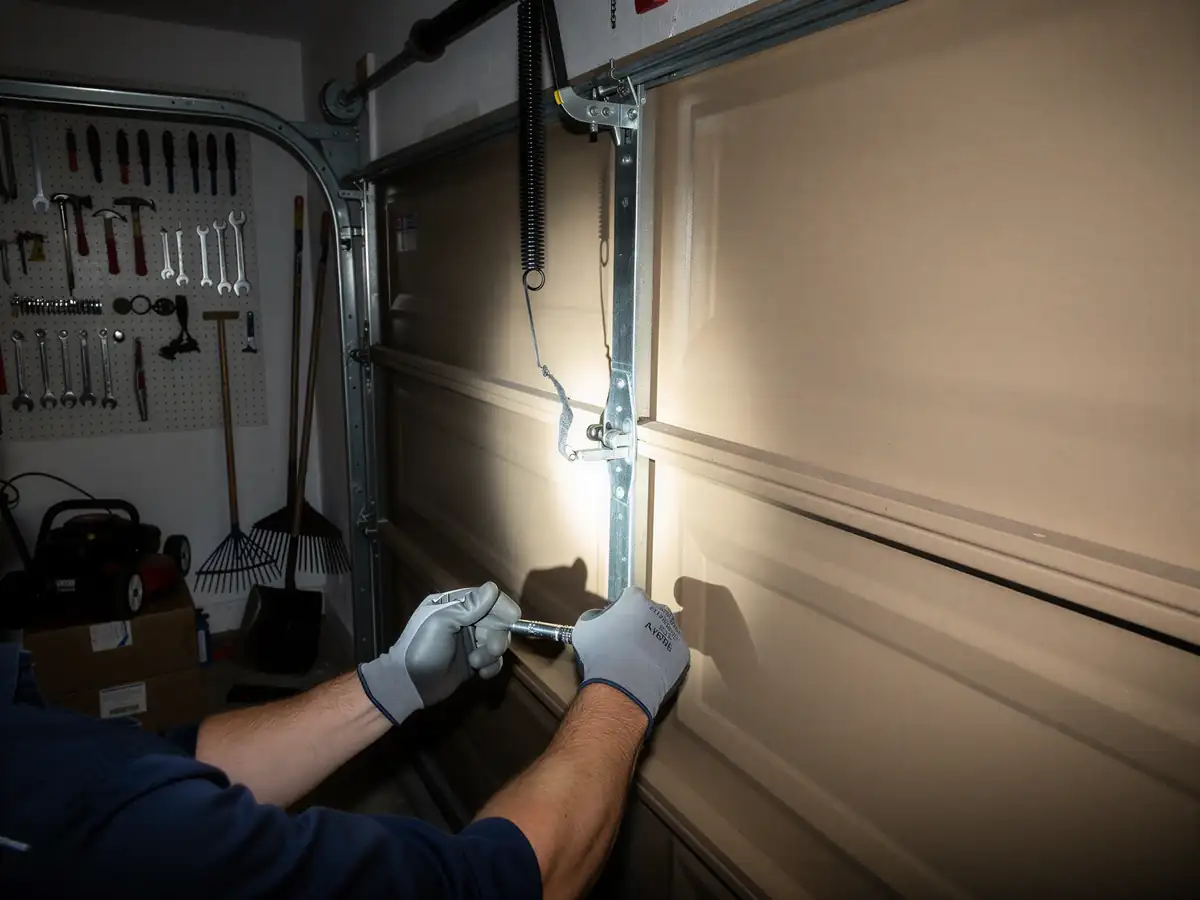
Berkley's median home was built in 1949, which puts a good share of the neighborhood's garages at the early end of what the wider service area shows - housing from 1949 to 1993 is typical across our 32 named communities, but Berkley skews toward the oldest end of that span. That means more of what we find is still the original hardware: narrow-gauge tracks, older roller styles, and in some cases extension springs rather than the torsion setups that became standard later. We stock common torsion springs, extension spring sets, standard rollers, and cable for both configurations, along with weatherstrip and bottom seals sized for older track widths. What we don't carry on the truck is obsolete or discontinued track hardware from some of the oldest one-off installs - if a part was custom-fit decades ago and nobody made a standard replacement, we may need to order it, and that can add a few days to the job rather than finishing in one visit. We'll tell you up front if that's the case instead of guessing and coming back twice.
Why It Happens Here
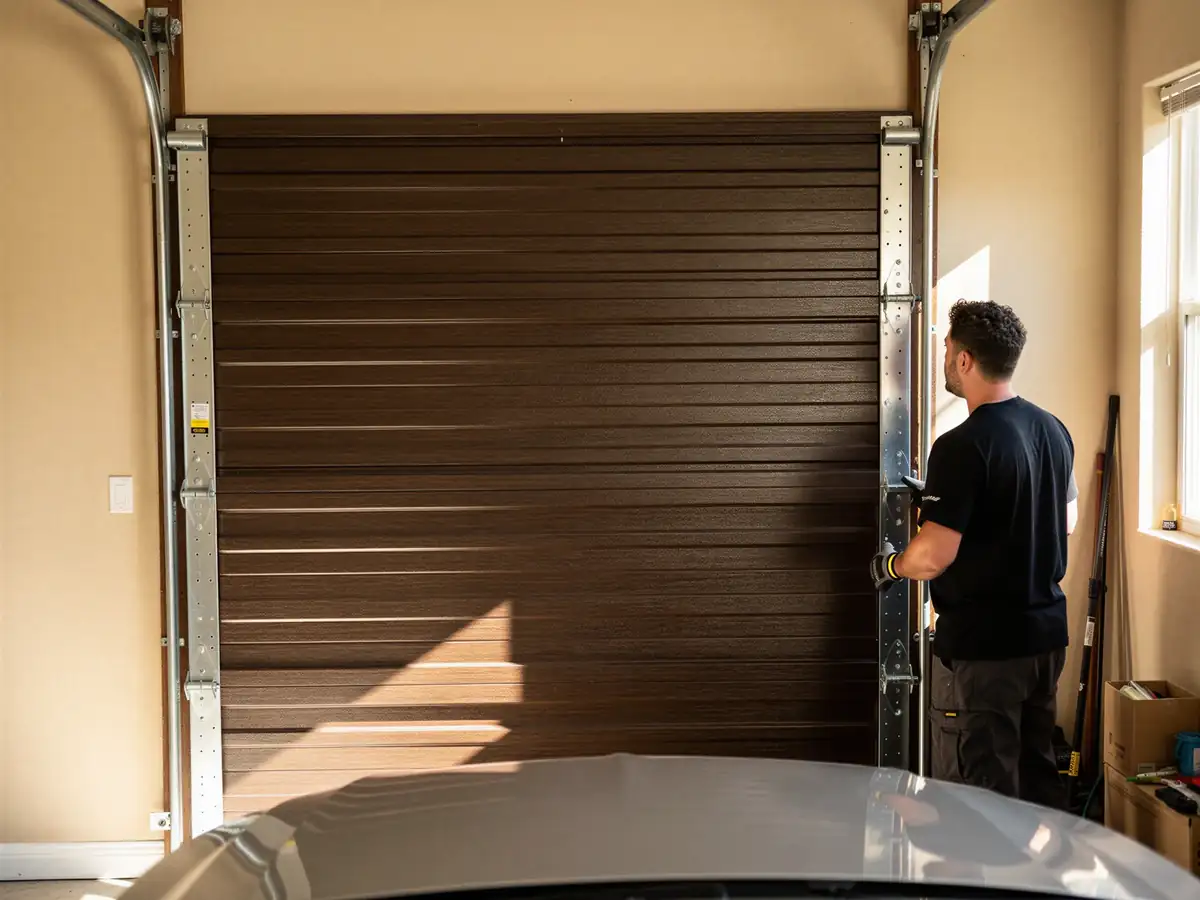
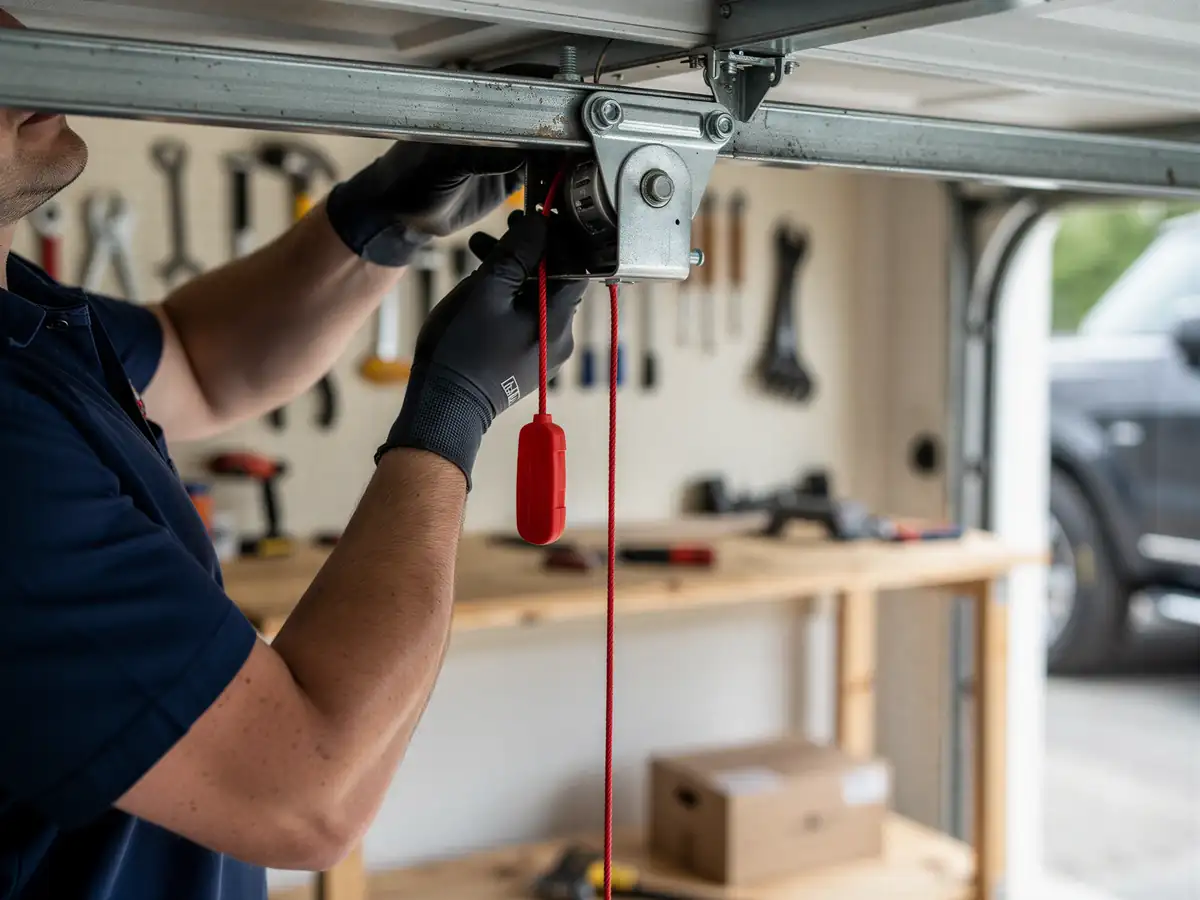
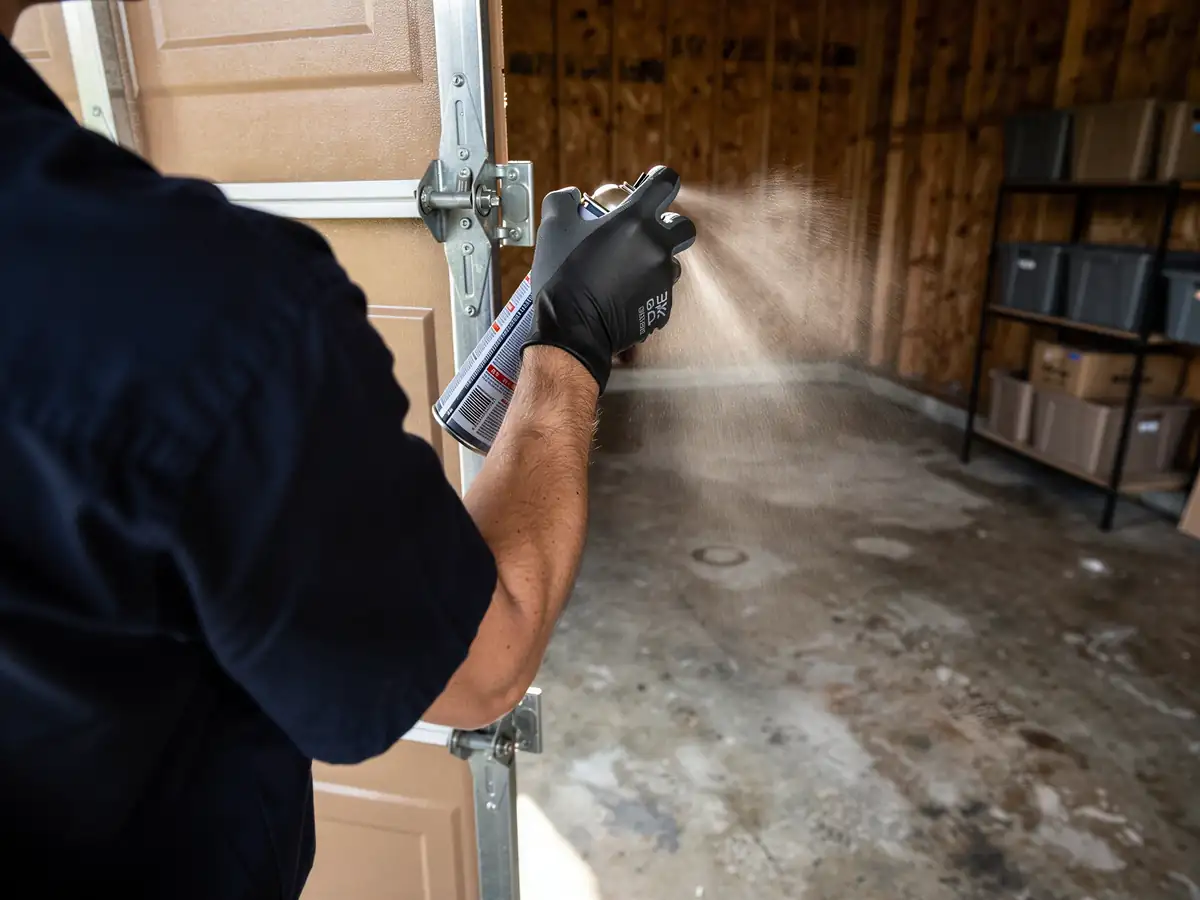
The service area sits in a cold climate zone with severe winter conditions, and that's harder on garage door hardware than people expect - springs lose tension faster in repeated freeze-thaw cycles, and old grease hardens on rollers and hinges until the door starts binding on cold mornings. In Berkley specifically, where the median home dates to 1949, a lot of that hardware has never been swapped out. Original torsion or extension springs from a decades-old install are often still doing the job, just with more friction and less margin than they had new. That combination - older metal, harsher winters, and infrequent lubrication - is what turns a quiet door into one that groans, sticks, or drops suddenly on a cold snap. Regular maintenance catches the wear before it becomes a failure, but it won't reverse metal fatigue in a spring that's been stretching since before most of the neighborhood's current owners moved in. At some point the honest answer is replacement, not another round of lubricant.