Booking a Visit
Berkley sits about 18 miles from our shop in Waterford, so when you call, we're scheduling a truck to come to you, not sending someone from a depot around the corner. That distance doesn't change what we carry or how we diagnose a job, but it does mean we plan the route before we commit a time window, so give us a call rather than expecting a same-hour walk-in. Most of what breaks on a Berkley garage door is predictable once we know the house's age, so tell us the approximate build year when you book - it saves a trip back to the truck for the right spring size or hinge set. We work from the same stock whether the call comes from Berkley or anywhere else we cover; the 18-mile trip is just part of the math we build into the visit, not a reason to charge differently or show up with less on the truck.
Parts We Carry
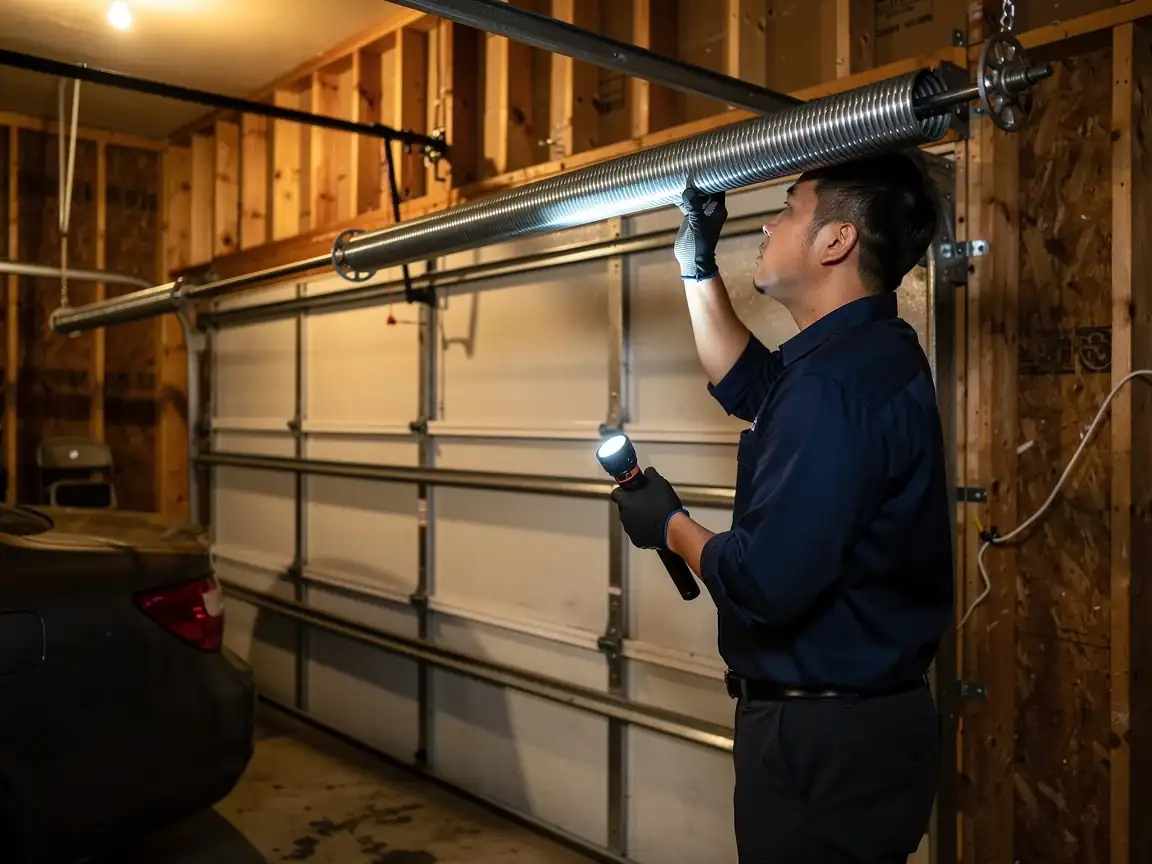
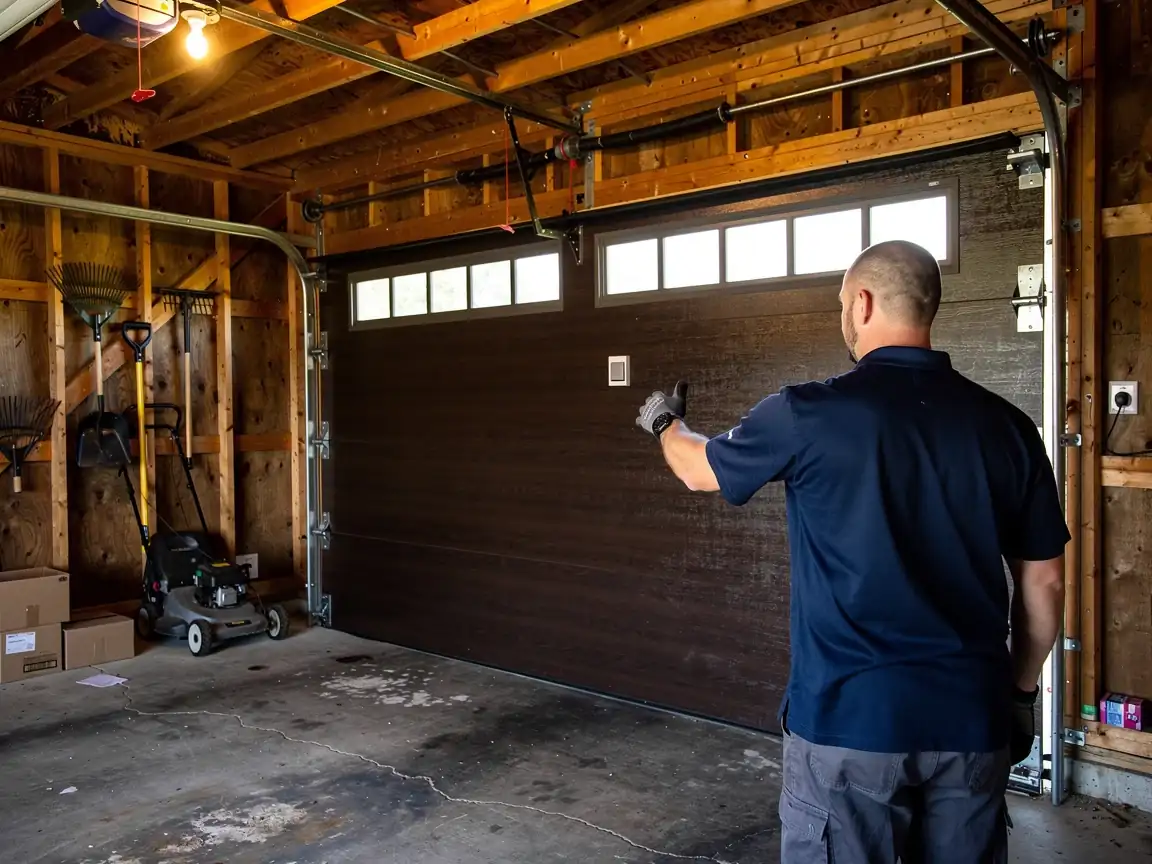
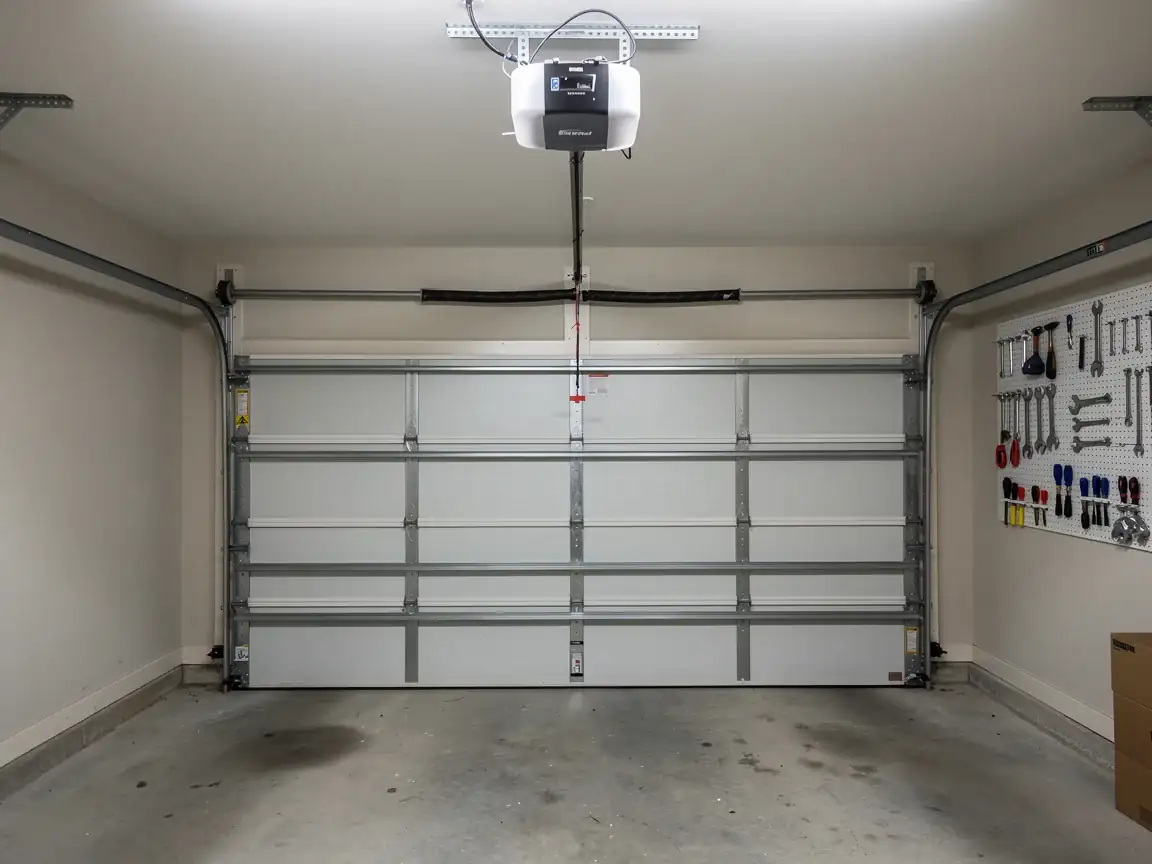
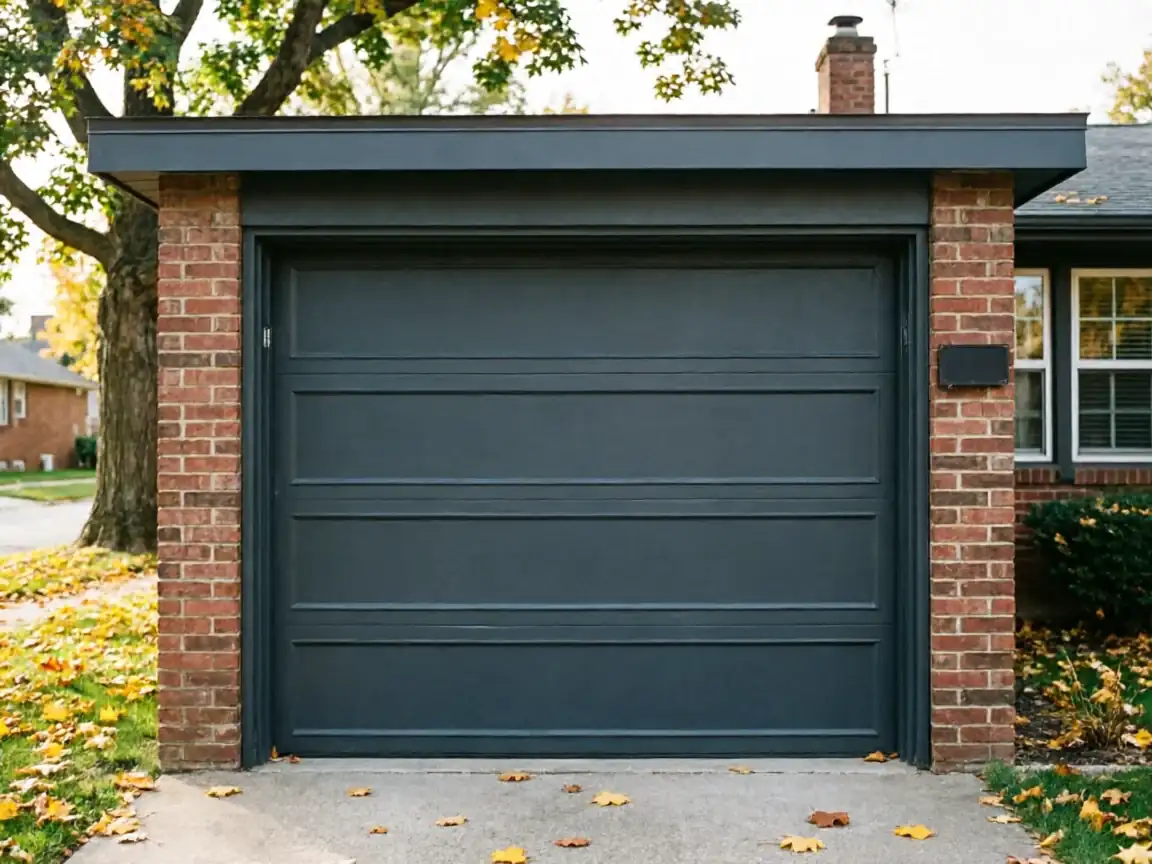
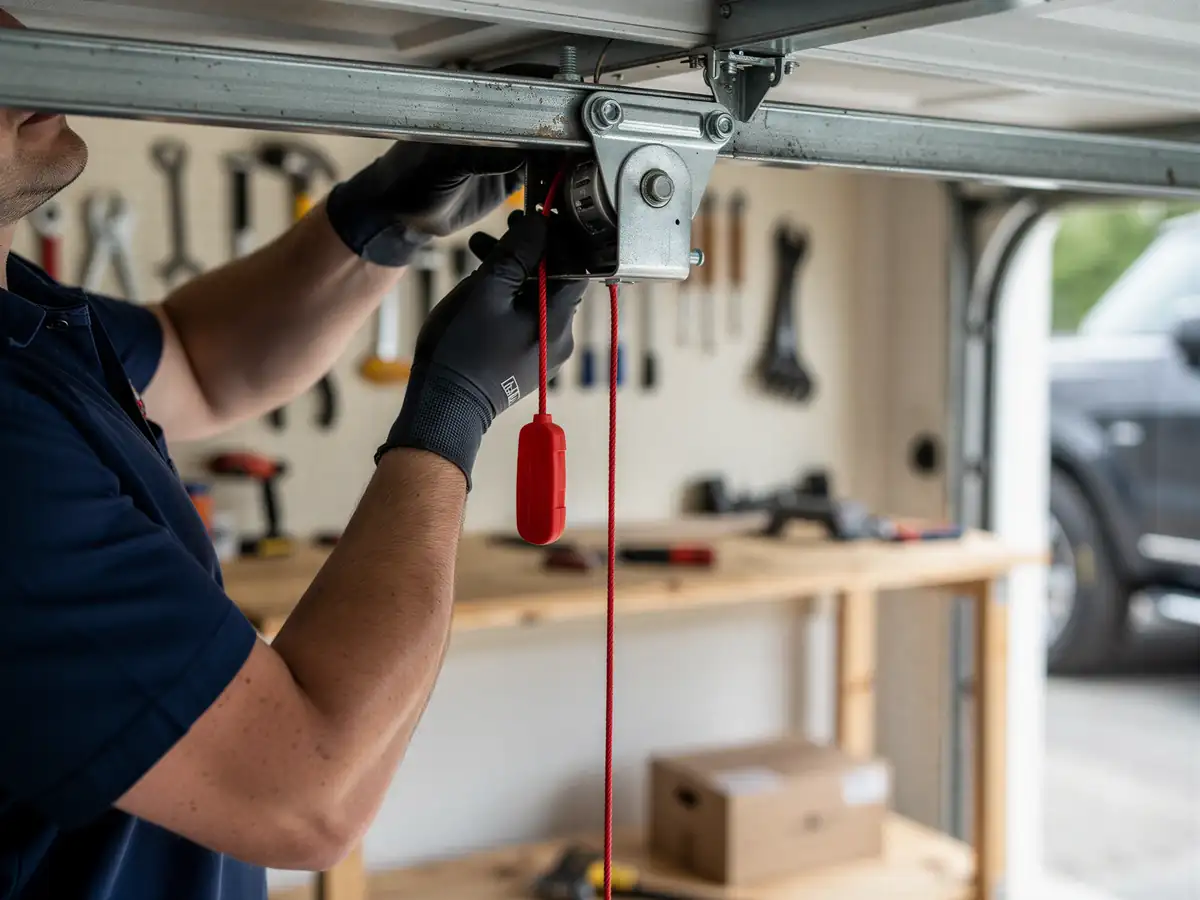
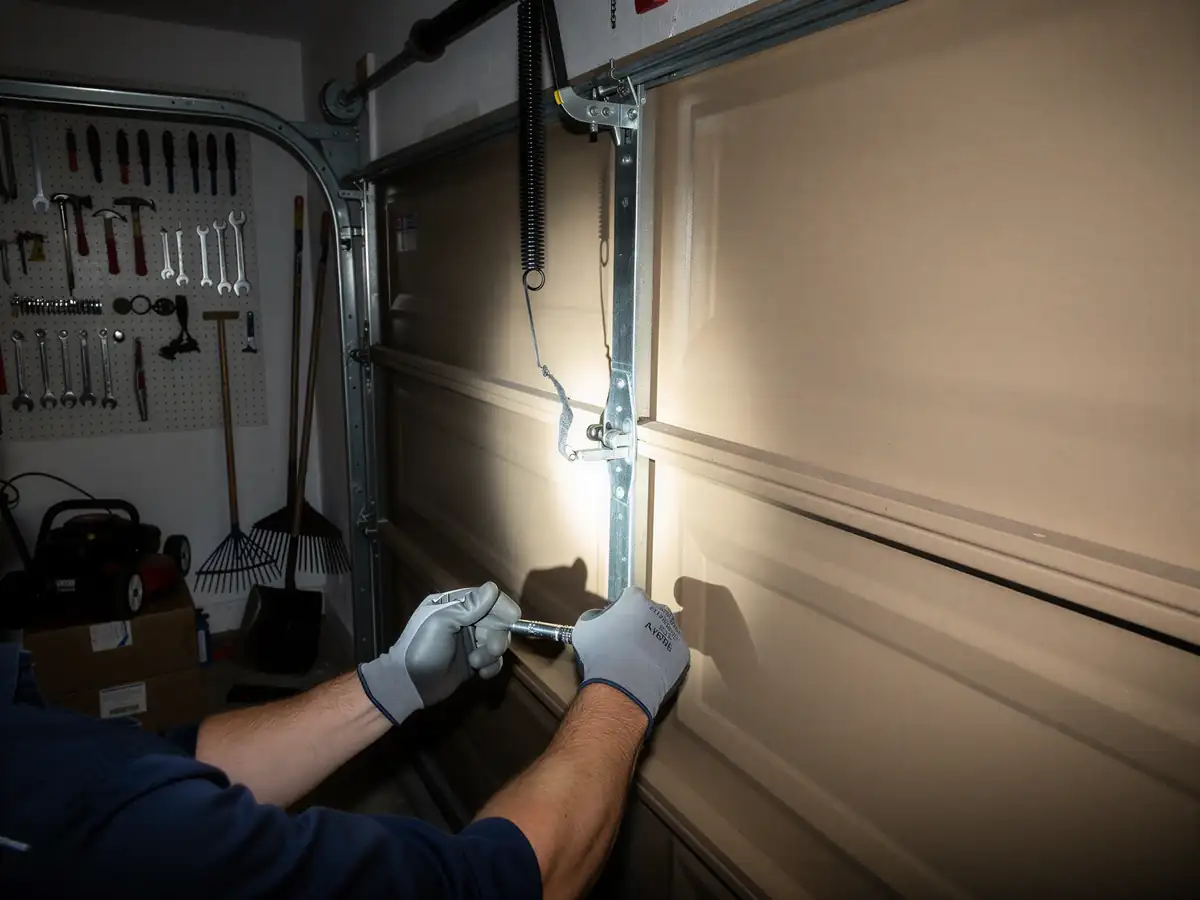
Berkley's housing stock centers on 1949, which puts a lot of these garage doors and their hardware well past the point where original parts are still made. A door from that era is usually a single-panel or early sectional door on a torsion or extension setup that's been serviced or swapped out more than once by the time we see it. We carry the torsion springs, cables, rollers, and track sections sized for that generation of door, along with the newer sectional hardware for any home that's had its door replaced since. What we don't stock is anything requiring a special order from a manufacturer that stopped making parts for a specific model decades ago - if your door needs that, we'll tell you up front instead of guessing at a fix that won't hold. Across the wider Waterford-area housing stock, built mostly in the 1960s and 70s, the parts list looks different; Berkley's 1949 base shifts what shows up on our truck for a job here.
Why It Happens Here
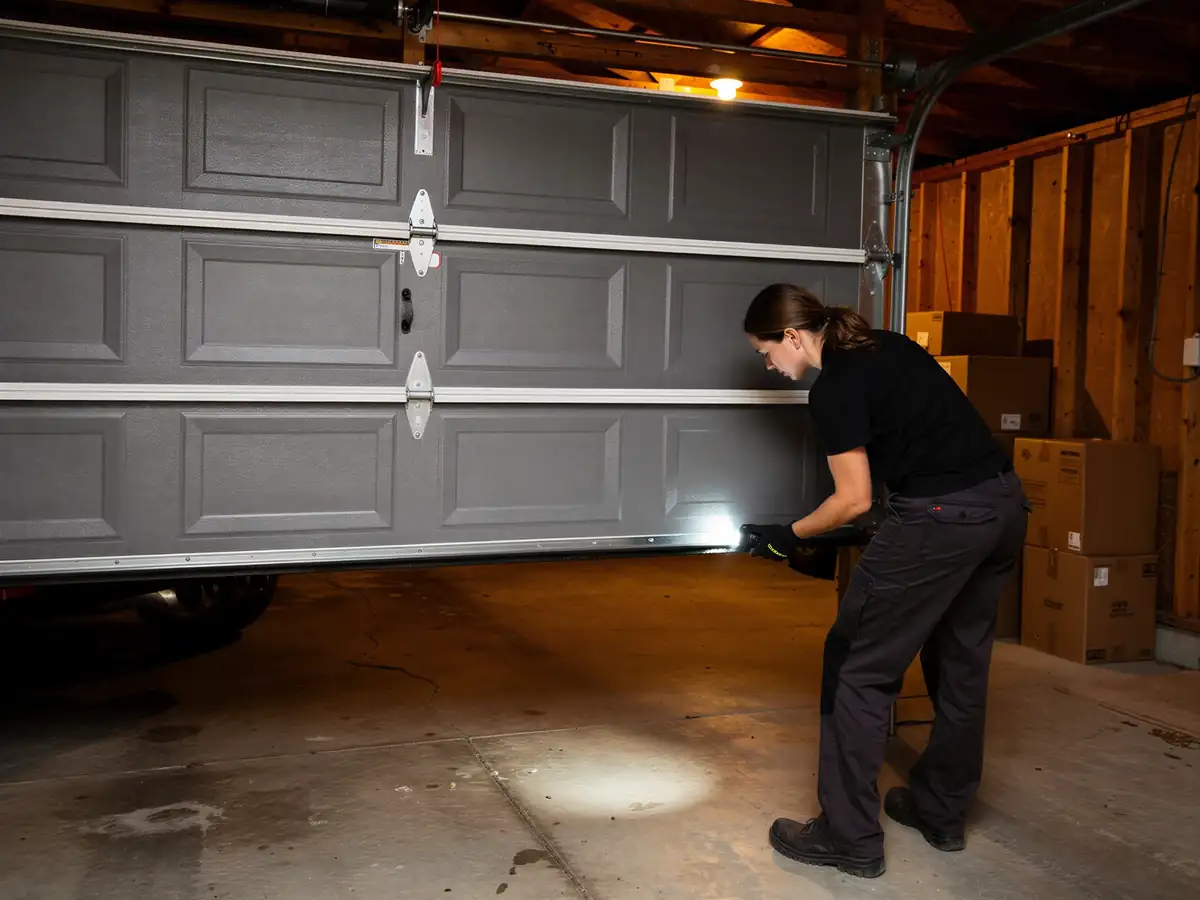
A door built around 1949 was engineered for a lighter garage and a shorter expected lifespan than anything made today, and in a cold-climate area like this one, the repeated freeze-thaw cycle on original tracks and hardware speeds up wear that a newer door in a milder climate wouldn't see. Across 6,852 Berkley households, we see the same failure pattern show up again and again: brittle springs that snap in cold snaps, tracks that have shifted out of alignment from decades of frost heave under the slab, and rollers original to a door that predates modern nylon or steel-ball designs. None of that is unique to one house - it's what you get when a town's housing stock clusters around a single build year and the regional climate is hard on steel and rubber alike. We don't see this same concentration of 1949-era doors in every town we cover, which is part of why the fix here looks different from the fix twenty minutes away.