Booking a Visit
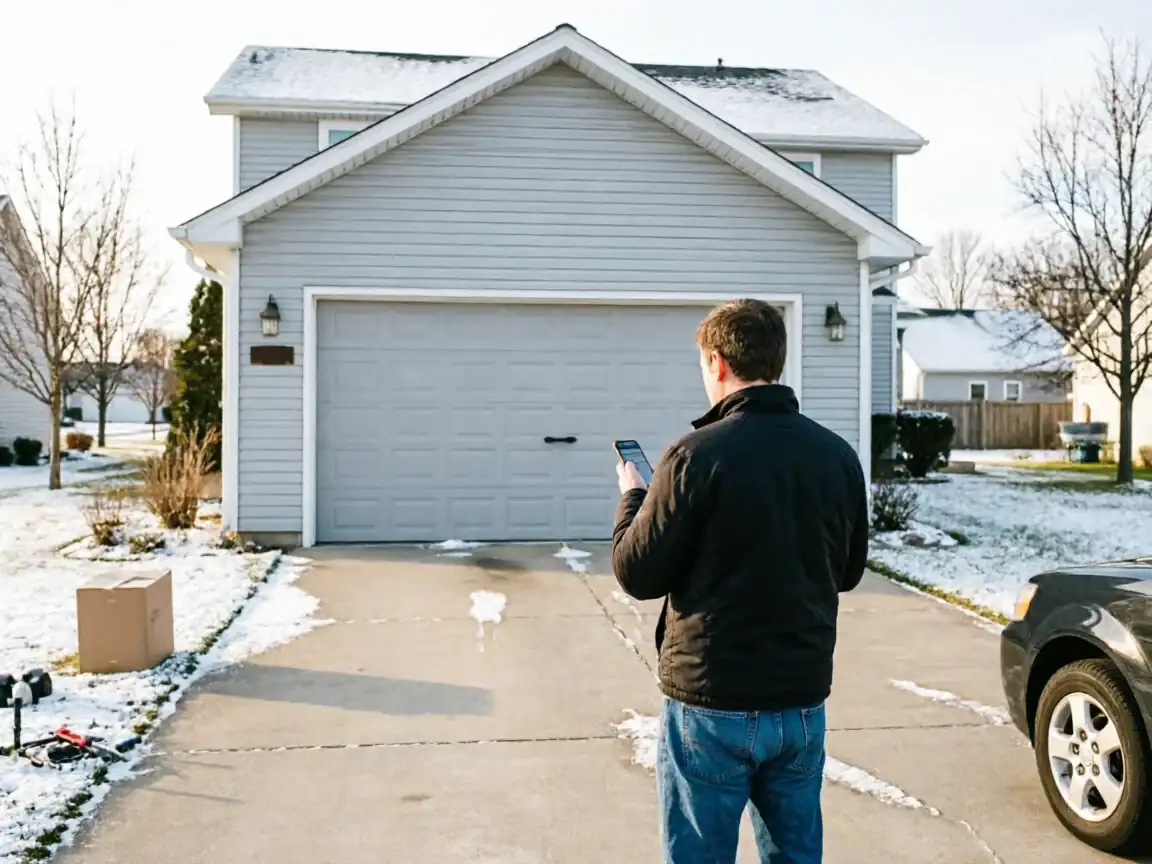
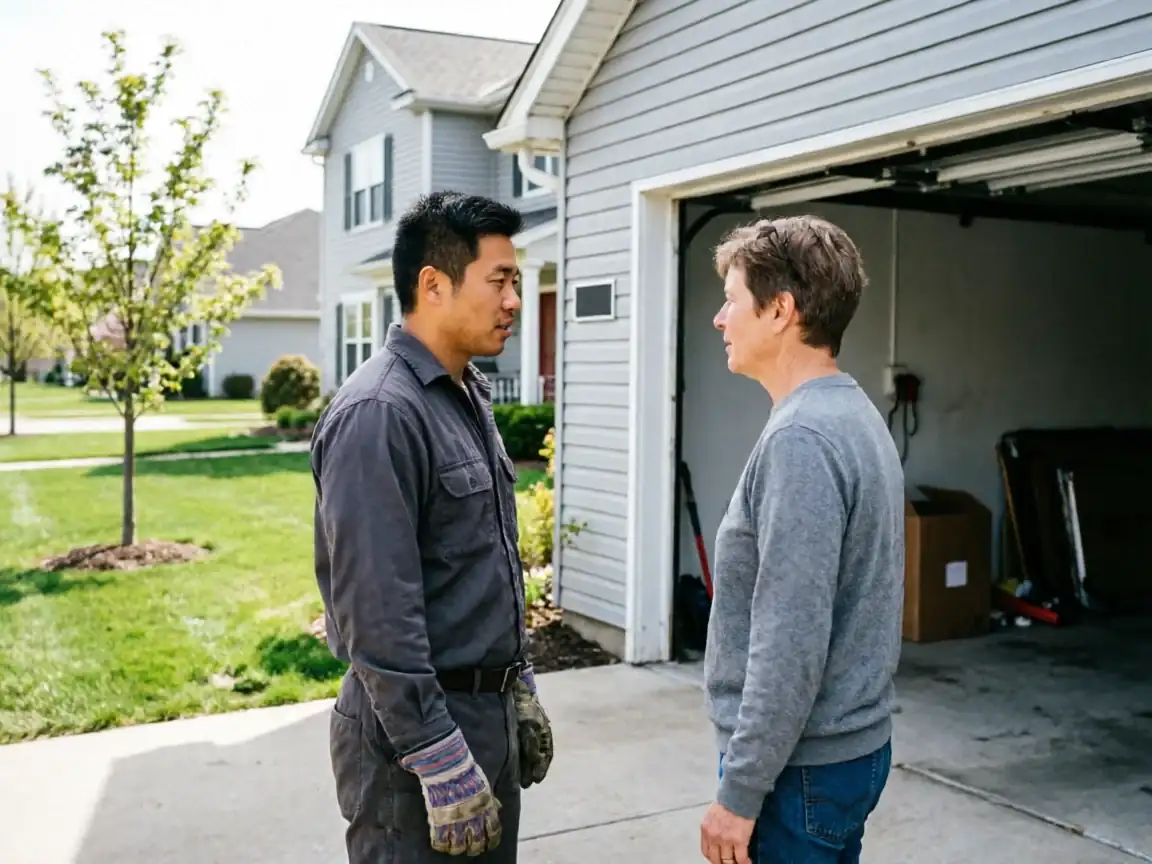
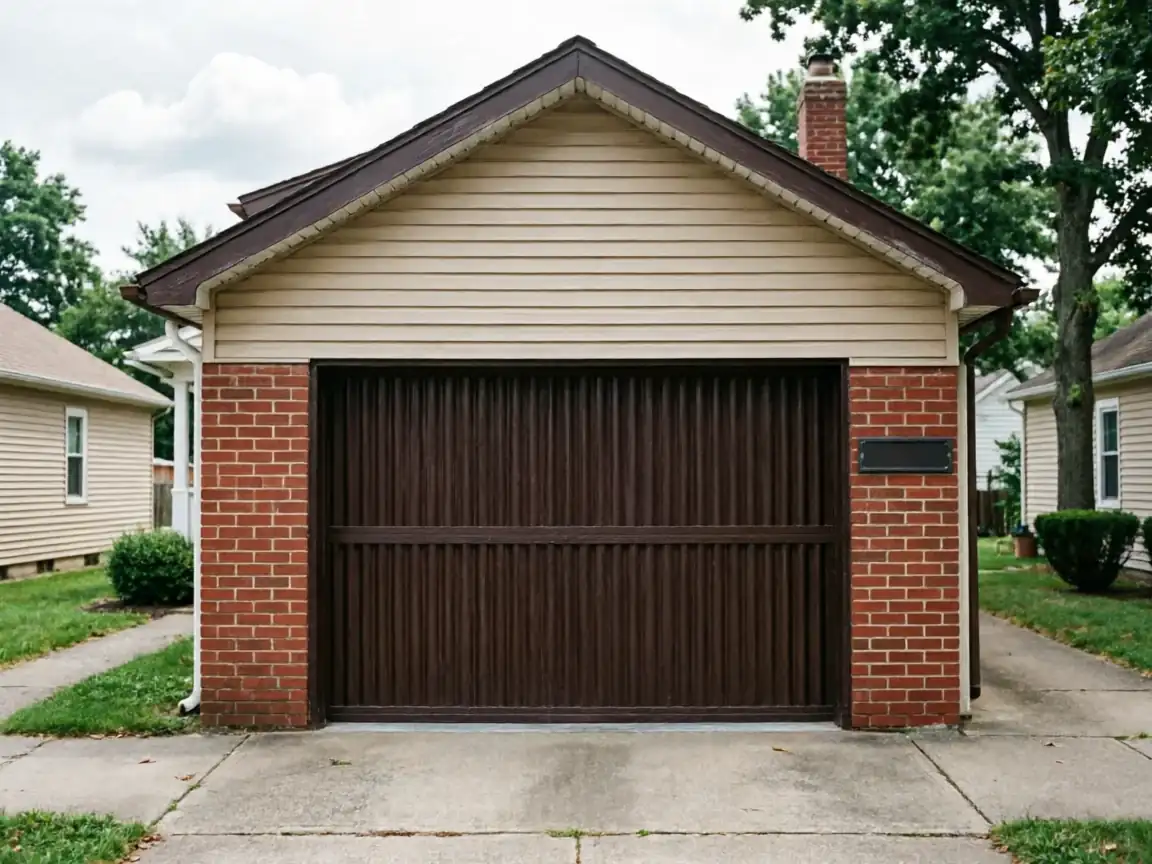
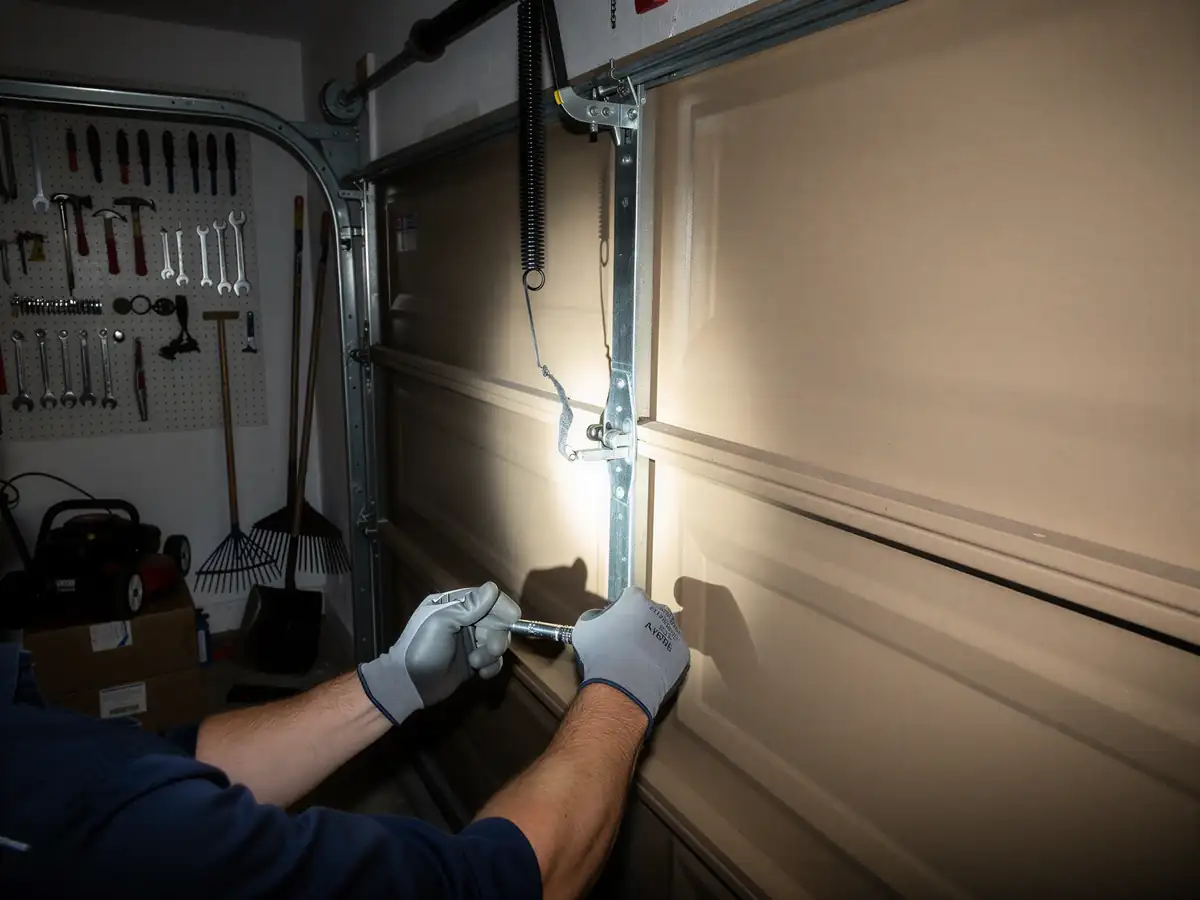
We run this job out of our Waterford shop, about 18 miles from Berkley. There's no branch or drop box in town, so a panel replacement here gets scheduled rather than squeezed in same-day - we load the panel, confirm fit against your door's make and width, and drive it out. If you're not sure whether what you've got is a dent that needs a panel swap or a track problem that just looks like one, our Berkley garage door repair page covers the diagnosis side. One limitation worth saying up front: if your door is an older or discontinued model, the panel itself may need to be special-ordered from the manufacturer, which adds lead time we can't shorten from our end. We'll tell you that lead time as soon as we know it, not after we've already made the trip.
Parts We Carry
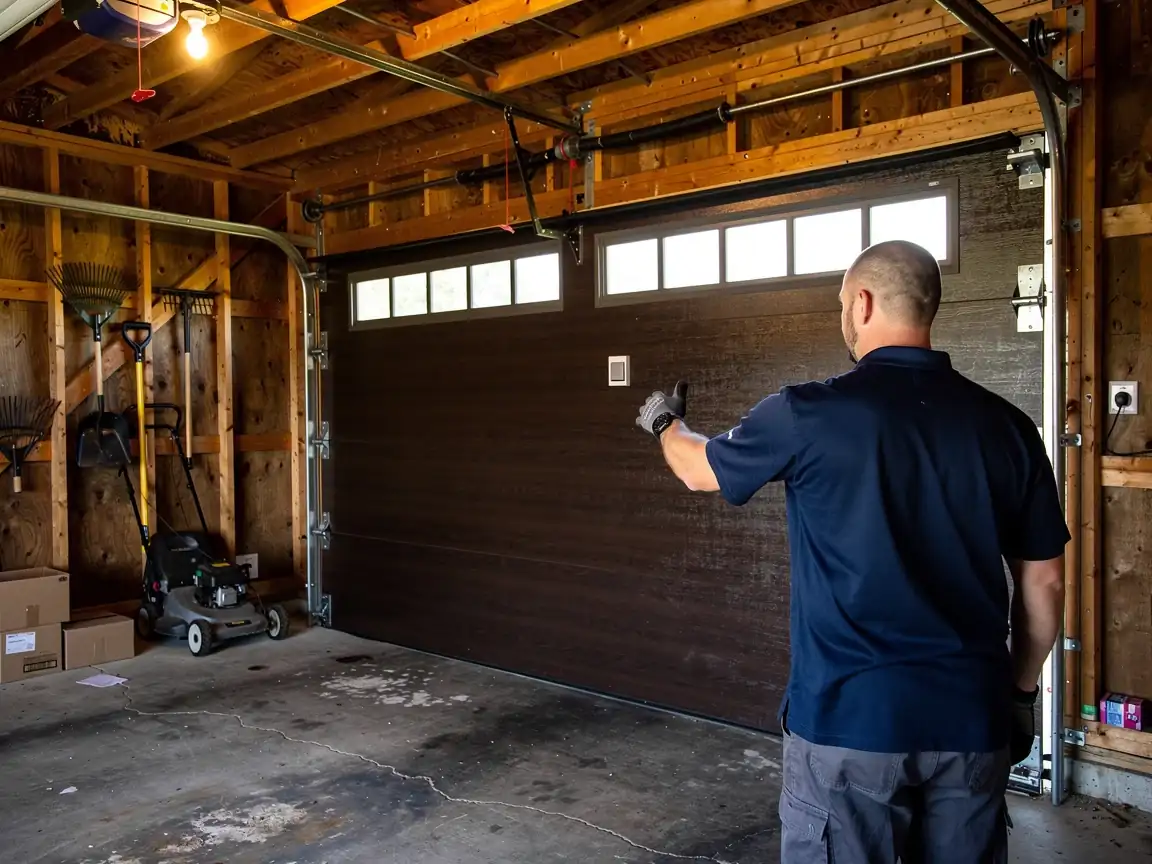
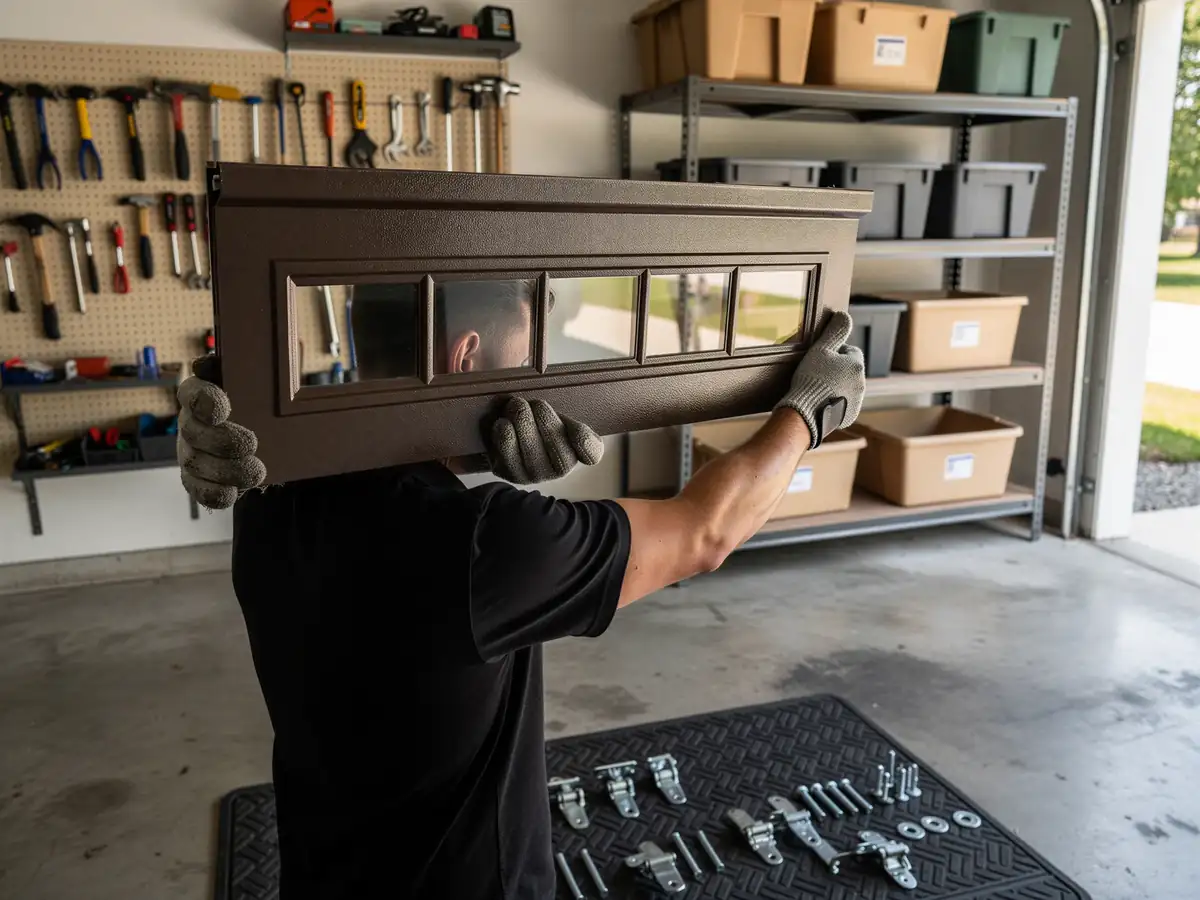
Berkley's housing stock starts at 1949, a few years ahead of the broader service area's 1949-1973 median build-out, which means some original garages here have been holding the same door longer than almost anywhere else we cover. Homes going up in 1949 came with narrower garage openings than the 16-foot standard most panels ship in today, so we stock a range of panel widths rather than a single size. For the climate here - a cold band with real freeze-thaw swings - we carry insulated steel sections built to hold their seams through winter, not just the lightest panel that fits. We match these against your existing door's profile, color, and rib pattern as closely as the manufacturer's current line allows. We don't carry wood panel stock for the original 1940s-era doors still standing on a few of these streets - that's custom millwork, outside what we do.
Why It Happens Here
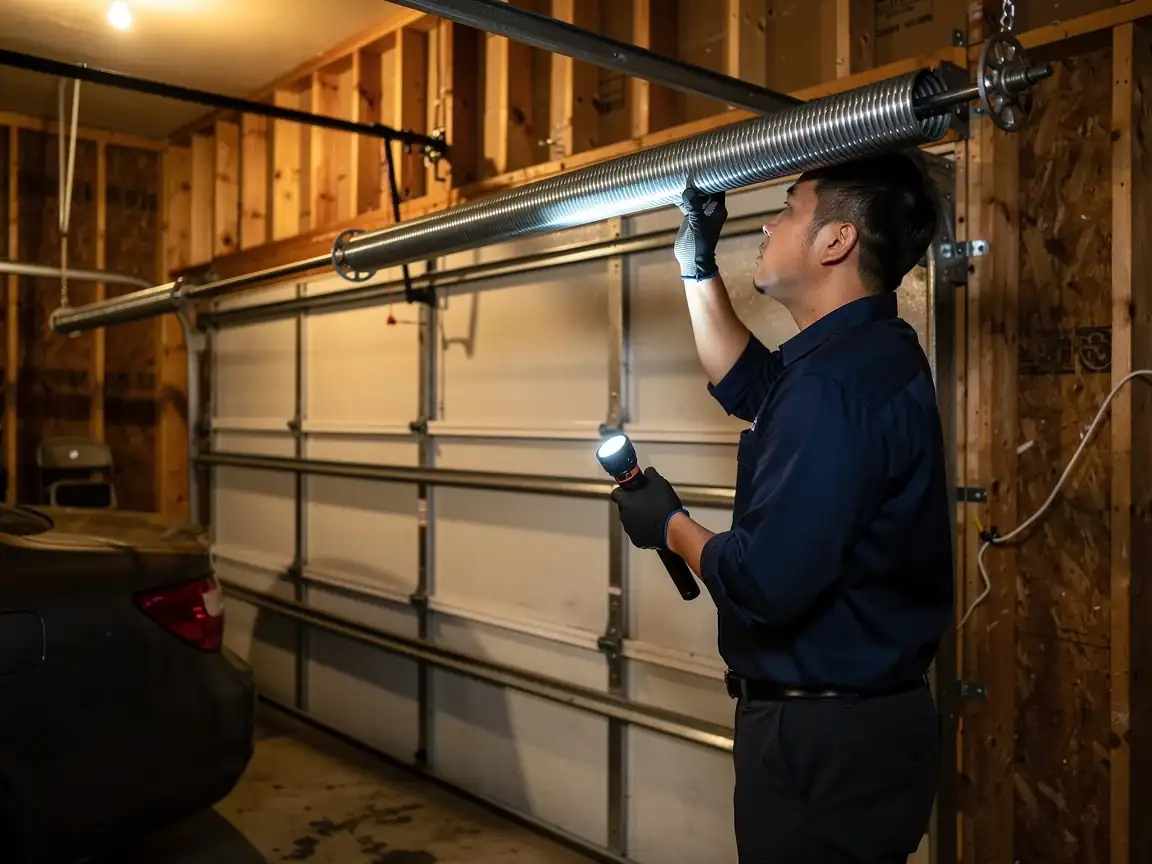
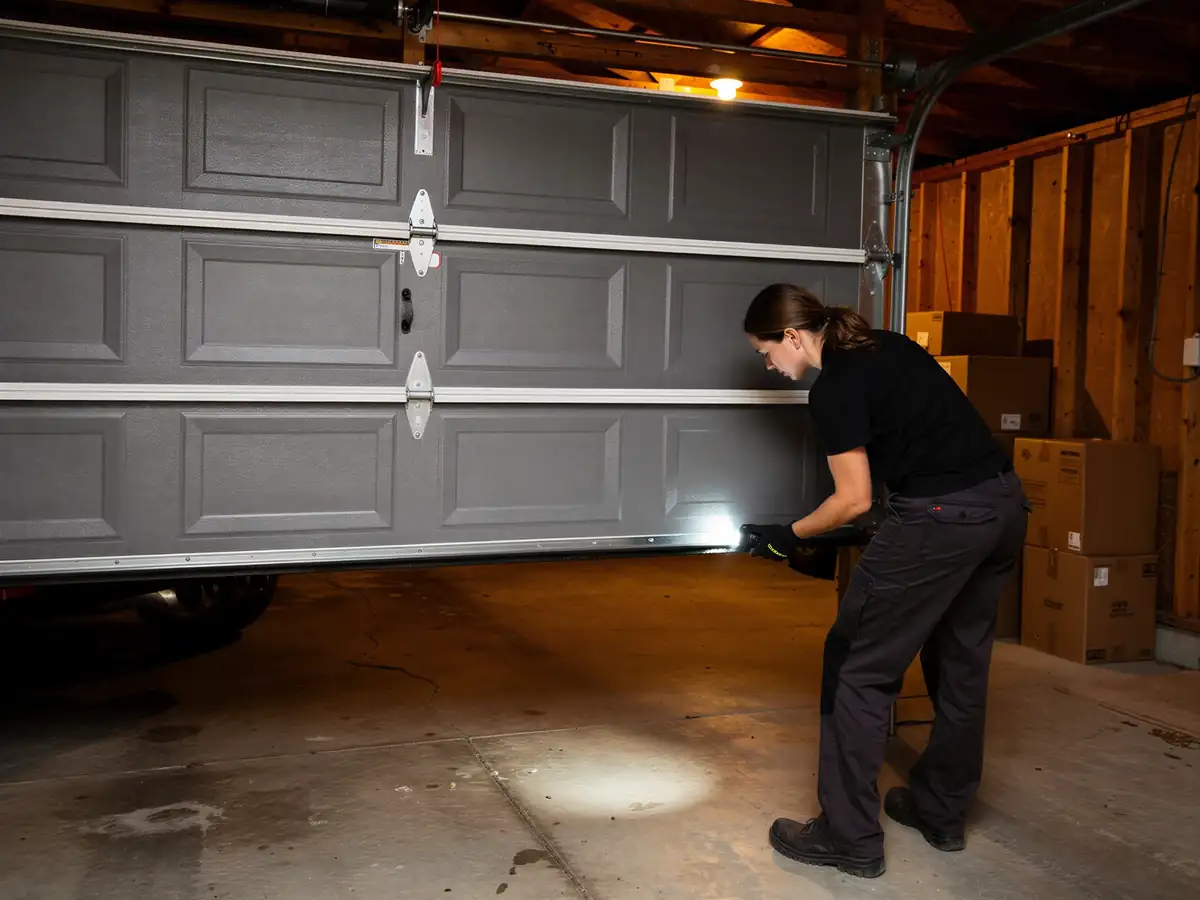
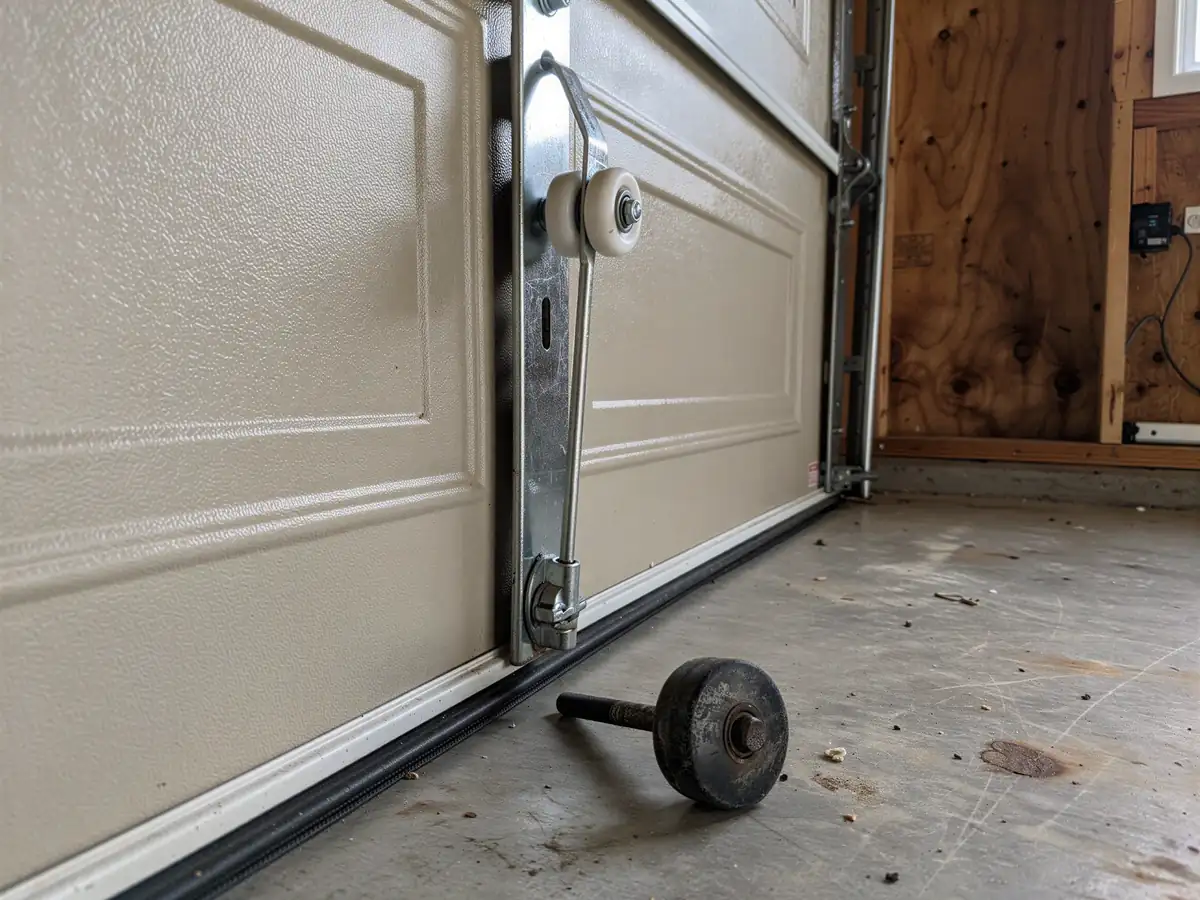
The service area sits in a cold climate band with hard freeze-thaw cycles, and steel panels take that stress at the seams first - a dent that wouldn't crack a panel in a milder climate can split one here once the metal's already fatigued by winter. Layer that on top of Berkley's age: a garage built in 1949 has had roughly seven decades of those cycles working on whatever panel is currently hanging, even if it's not the original. Rust starts at the bottom panel first, where road salt and snowmelt sit against the steel longest. None of that means every dent needs a full panel - small dings on a newer panel often aren't worth the swap - but on a door this old, a cracked seam usually means the whole panel's done, not just that one spot.